Peter J. Denning – författare
Visar alla böcker från författaren Peter J. Denning. Handla med fri frakt och snabb leverans.
14 produkter
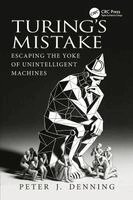
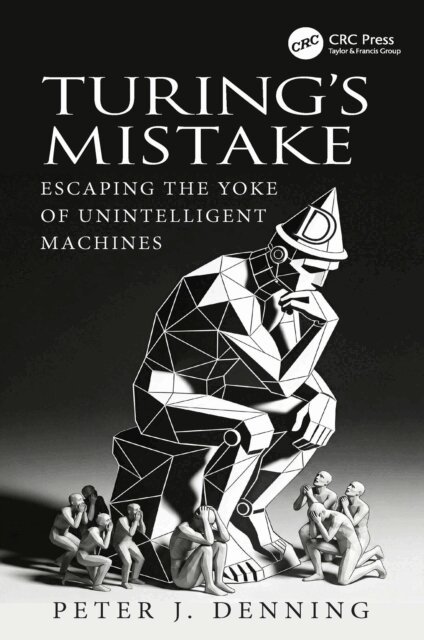
Turing's Mistake
Escaping the Yoke of Unintelligent Machines
Häftad, 2026
313 kr
Lägg i varukorg
AI is sweeping away familiar cultures and we have no idea where it is taking us. The older generation tends to stick up for humanity and the younger generation for post-humanity. It is a serious tension. Everywhere there is a mood of unsettlement at not knowing where the unstoppable momentum of AI …
Innovator's Way
Av Robert Dunham, Peter J. Denning
E-bok, 2012
481 kr
Lägg i varukorg
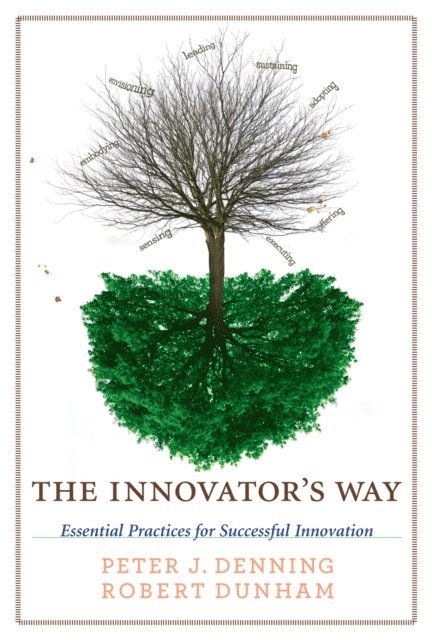
Two experts show that innovation is a skill that can be learned and describe eight essential practices for achieving success. Innovation is the ruling buzzword in business today. Technology companies invest billions in developing new gadgets; business leaders see innovation as the key to a …
Computational Thinking
Av Matti Tedre, Peter J. Denning
E-bok, 2019
234 kr
Lägg i varukorg
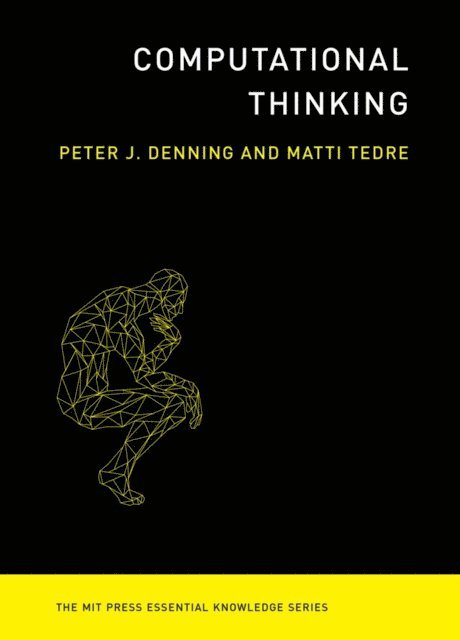
An introduction to computational thinking that traces a genealogy beginning centuries before the digital computer. A few decades into the digital era, scientists discovered that thinking in terms of computation made possible an entirely new way of organizing scientific investigation; eventually, …
Innovator's Way
Essential Practices for Successful Innovation
Av Peter J. Denning, Robert Dunham
Häftad, 2012
574 kr
Lägg i varukorg
Computational Thinking
Av Peter J. Denning, Matti Tedre
Häftad, 2019
196 kr
Lägg i varukorg
An introduction to computational thinking that traces a genealogy beginning centuries before the digital computer.
Talking Back to the Machine
Computers and Human Aspiration
Inbunden, 1999
243 kr
Lägg i varukorg
From the editors of the wildly successful Beyond Calculation comes another exploration of the overwhelming impact of computers on our future. This time, the essays focus on the human impact of computer technology and culture: how computers will affect the ways we teach, learn, communicate, relate …
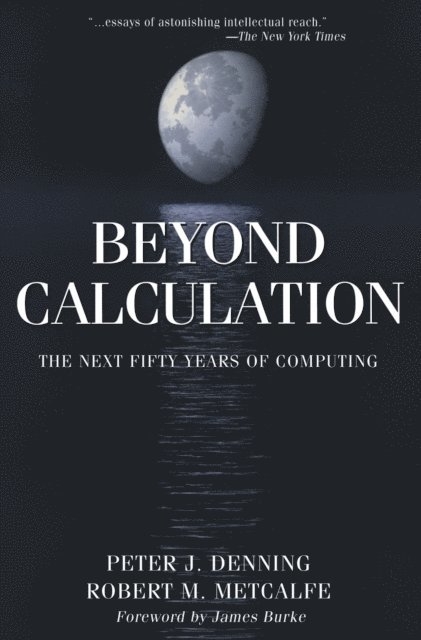
Beyond Calculation
The Next Fifty Years of Computing
Av Peter J. Denning, Robert M. Metcalfe
Häftad, 1998
243 kr
Lägg i varukorg
In March 1997, the Association for Computing Machinery will celebrate the fiftieth anniversary of the electronic computer. To understand what an extraordinary fifty years the computer has had, you need only look around you--probably no farther than your desk. Computers are everywhere: in our cars, …
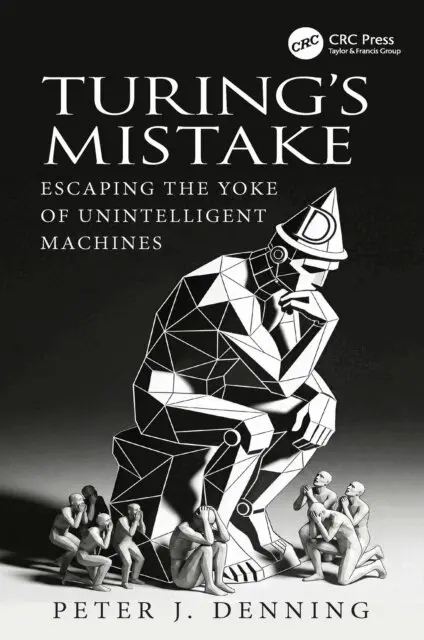
Turing's Mistake
Escaping the Yoke of Unintelligent Machines
E-bok, 2026
356 kr
Lägg i varukorg
AI is sweeping away familiar cultures and we have no idea where it is taking us. The older generation tends to stick up for humanity and the younger generation for post-humanity. It is a serious tension. Everywhere there is a mood of unsettlement at not knowing where the unstoppable momentum of AI …
Turing's Mistake
Escaping the Yoke of Unintelligent Machines
E-bok, 2026
352 kr
Lägg i varukorg
AI is sweeping away familiar cultures and we have no idea where it is taking us. The older generation tends to stick up for humanity and the younger generation for post-humanity. It is a serious tension. Everywhere there is a mood of unsettlement at not knowing where the unstoppable momentum of AI …
Turing's Mistake
Escaping the Yoke of Unintelligent Machines
Inbunden, 2026
1826 kr
Lägg i varukorg
AI is sweeping away familiar cultures and we have no idea where it is taking us. The older generation tends to stick up for humanity and the younger generation for post-humanity. It is a serious tension. Everywhere there is a mood of unsettlement at not knowing where the unstoppable momentum of AI …
Beyond Calculation
The Next Fifty Years of Computing
Av Robert M. Metcalfe, Peter J. Denning
E-bok, 2012
329 kr
Lägg i varukorg
In March 1997, the Association for Computing Machinery will celebrate the fiftieth anniversary of the electronic computer. To understand what an extraordinary fifty years the computer has had, you need only look around you--probably no farther than your desk. Computers are everywhere: in our cars, …
Talking Back to the Machine
Computers and Human Aspiration
E-bok, 2012
310 kr
Lägg i varukorg
From the editors of the wildly successful Beyond Calculation comes another exploration of the overwhelming impact of computers on our future. This time, the essays focus on the human impact of computer technology and culture: how computers will affect the ways we teach, learn, communicate, relate …
Talking Back to the Machine
Computers and Human Aspiration
Häftad, 2011
236 kr
Lägg i varukorg
From the editors of the wildly successful Beyond Calculation comes another exploration of the overwhelming impact of computers on our future. This time, the essays focus on the human impact of computer technology and culture: how computers will affect the ways we teach, learn, communicate, relate …