Peter J. Fagan – Författare
Visar alla böcker från författaren Peter J. Fagan. Handla med fri frakt och snabb leverans.
3 produkter
3 produkter
504 kr
Tillfälligt slut
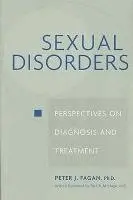
Sexual disorders may arise from multiple causes. Their clinical assessment, diagnosis, and treatment must take into account the patient's underlying biology, history, and behaviors. Using an approach pioneered at the Johns Hopkins Medical Institutions, Peter Fagan applies the four "perspectives of psychiatry" (disease, dimension, behavior, and life story) to the diagnosis and treatment of sexual disorders. This book offers therapists an efficient and clinically proven way to organize the range of theoretical methodologies currently available, presenting a framework that is both conceptually cohesive and readily applicable in clinical settings. After an introduction, each chapter offers a case study followed by an analysis based on one perspective methodology as well as a discussion of the clinical implications of that perspective. The book closes with a chapter integrating the approaches. This book will be of interest to mental health care professionals, including psychiatrists, psychologists, and social workers, who treat patients with sexual disorders.
321 kr
Skickas inom 11-20 vardagar
Sexual disorders may arise from multiple causes. Their clinical assessment, diagnosis, and treatment must take into account the patient's underlying biology, history, and behaviors. Using an approach pioneered at the Johns Hopkins Medical Institutions, Peter Fagan applies the four "perspectives of psychiatry" (disease, dimension, behavior, and life story) to the diagnosis and treatment of sexual disorders. This book offers therapists an efficient and clinically proven way to organize the range of theoretical methodologies currently available, presenting a framework that is both conceptually cohesive and readily applicable in clinical settings. After an introduction, each chapter offers a case study followed by an analysis based on one perspective methodology as well as a discussion of the clinical implications of that perspective. The book closes with a chapter integrating the approaches. This book will be of interest to mental health care professionals, including psychiatrists, psychologists, and social workers, who treat patients with sexual disorders.
752 kr
Tillfälligt slut
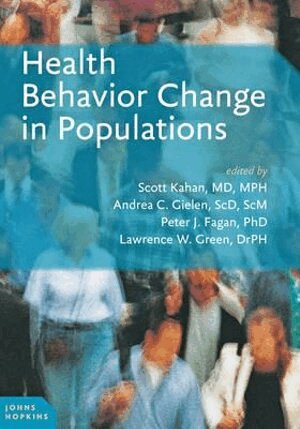
The single greatest way to improve health and quality of life is not by developing new medical approaches, but by addressing harmful personal behaviors. These behaviors - which include tobacco, alcohol, and drug use, diet, and physical activity-play a significant role in the risk for and development, treatment, and management of the most common causes of disease, disability, and death in the modern world. Health Behavior Change in Populations is designed to teach students and practitioners strategic principles for creating positive behavioral change on a population level. With an emphasis on the application of theory and research to practice, this textbook presents current and future public health professionals with a range of methods geared towards helping people make healthy choices, from informing the individual to modifying the surroundings and circumstances that drive decision-making. Written and edited by experts in the health professions, the book is arranged into three sections: State of the Field, State of the Science, and Cross-Cutting Issues. The chapters within these sections include learning objectives with boldfaced keywords and a glossary of terms.Each chapter addresses: The magnitude of the public health burden; Key determinants and conceptual framework for behaviors and behavior change, including individual, familial, interpersonal, community, sociocultural, structural, and political perspectives; Current evidence-based interventions and best practices; Roles for key stakeholders, including health plans, employers/workplace, health departments/agencies, sectors such as recreational and agricultural, policymakers, community groups/advocates, clinics/clinicians, researchers, and funding institutions; and Considerations for implementation, evaluation, and translation.