Peter Joore – författare
Visar alla böcker från författaren Peter Joore. Handla med fri frakt och snabb leverans.
6 produkter
6 produkter
Häftad, Engelska, 2024
743 kr
Skickas inom 10-15 vardagar
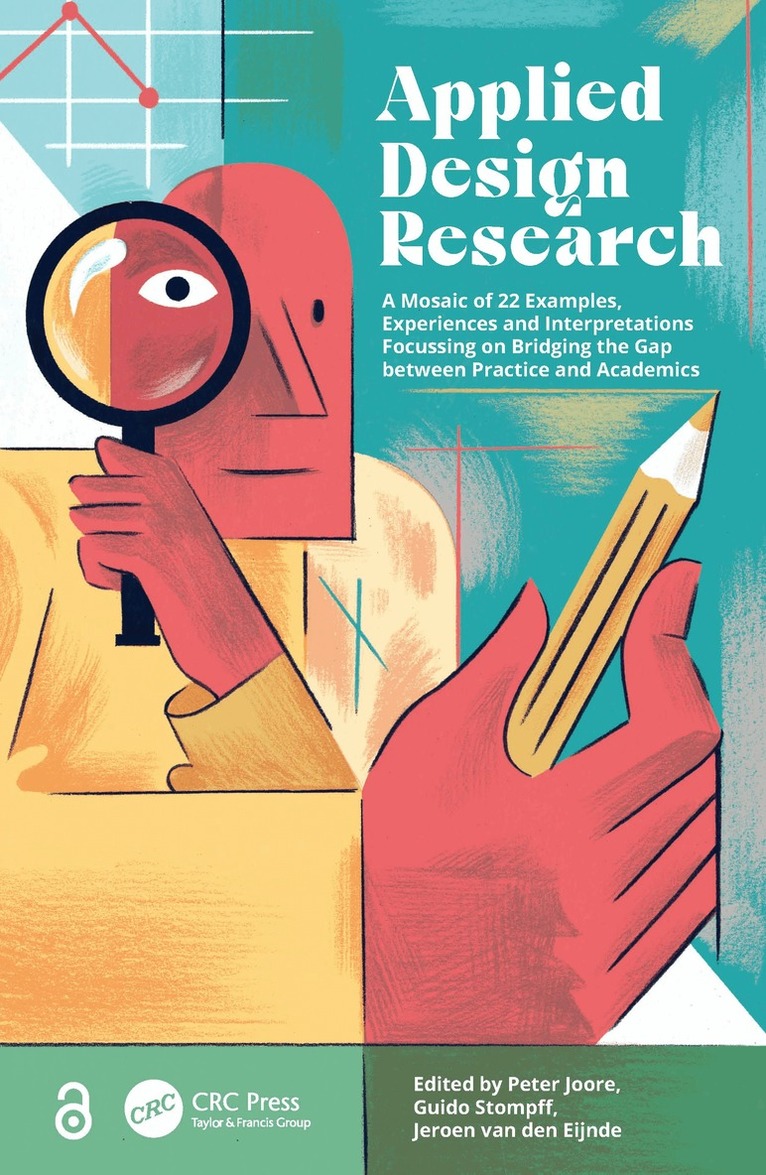
Design and research are two fields of knowledge that each has its traditions, methods, standards and practices. These two worlds appear to be quite separate, with researchers investigating what exists, and designers visualising what could be. This book builds a bridge between both worlds by showing how design and research can be integrated to develop a new field of knowledge. Applied Design Research: A Mosaic of 22 Examples, Experiences and Interpretations Focussing on Bridging the Gap between Practice and Academics contains 22 inspiring reflections that demonstrate how the unique qualities of research (aimed at studying the present) and design (aimed at developing the future) can be combined. This book shows that the transdisciplinary approach is applicable in a multitude of sectors, ranging from healthcare, urban planning, circular economy, and the food industry. Arranged in five parts, the book offers a range of illustrative examples, experiences, methods, and interpretations. Together they make up the characteristic of a mosaic, each piece contributing a part of the complete picture, and all pieces together offering a multi-facted perspective of what applied design research is, how it is implemented and what the reader can expect from it. This book with its bearings in practice can enthuse early-stage researchers with the diversity of its examples, while more senior design researchers may recognize themselves in the depth of the experiences described and be inspired by them.The Open Access version of this book, available at www.taylorfrancis.com, has been made available under a Creative Commons Attribution-Non Commercial-No Derivatives 4.0 license.
Inbunden, Engelska, 2022
2 187 kr
Skickas inom 5-8 vardagar
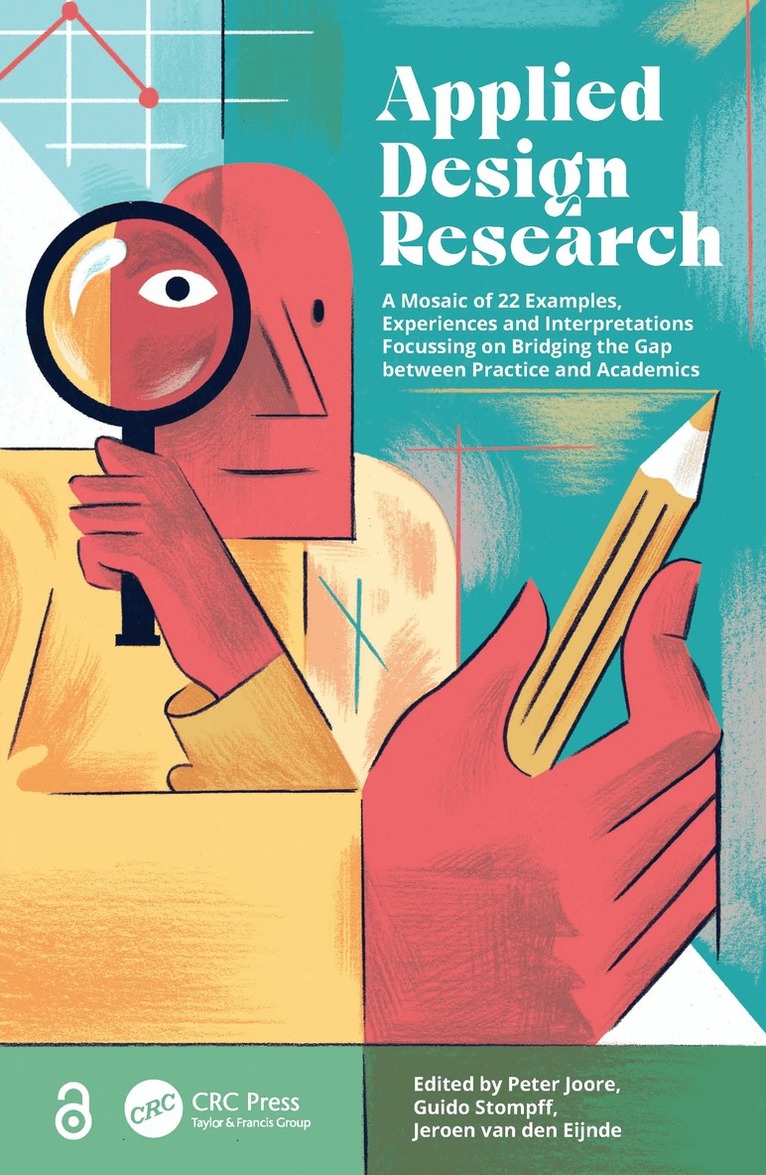
Design and research are two fields of knowledge that each has its traditions, methods, standards and practices. These two worlds appear to be quite separate, with researchers investigating what exists, and designers visualising what could be. This book builds a bridge between both worlds by showing how design and research can be integrated to develop a new field of knowledge. Applied Design Research: A Mosaic of 22 Examples, Experiences and Interpretations Focussing on Bridging the Gap between Practice and Academics contains 22 inspiring reflections that demonstrate how the unique qualities of research (aimed at studying the present) and design (aimed at developing the future) can be combined. This book shows that the transdisciplinary approach is applicable in a multitude of sectors, ranging from healthcare, urban planning, circular economy, and the food industry. Arranged in five parts, the book offers a range of illustrative examples, experiences, methods, and interpretations. Together they make up the characteristic of a mosaic, each piece contributing a part of the complete picture, and all pieces together offering a multi-facted perspective of what applied design research is, how it is implemented and what the reader can expect from it. This book with its bearings in practice can enthuse early-stage researchers with the diversity of its examples, while more senior design researchers may recognize themselves in the depth of the experiences described and be inspired by them.The Open Access version of this book, available at www.taylorfrancis.com, has been made available under a Creative Commons Attribution-Non Commercial-No Derivatives 4.0 license.
Häftad, Engelska, 2024
685 kr
Skickas inom 10-15 vardagar
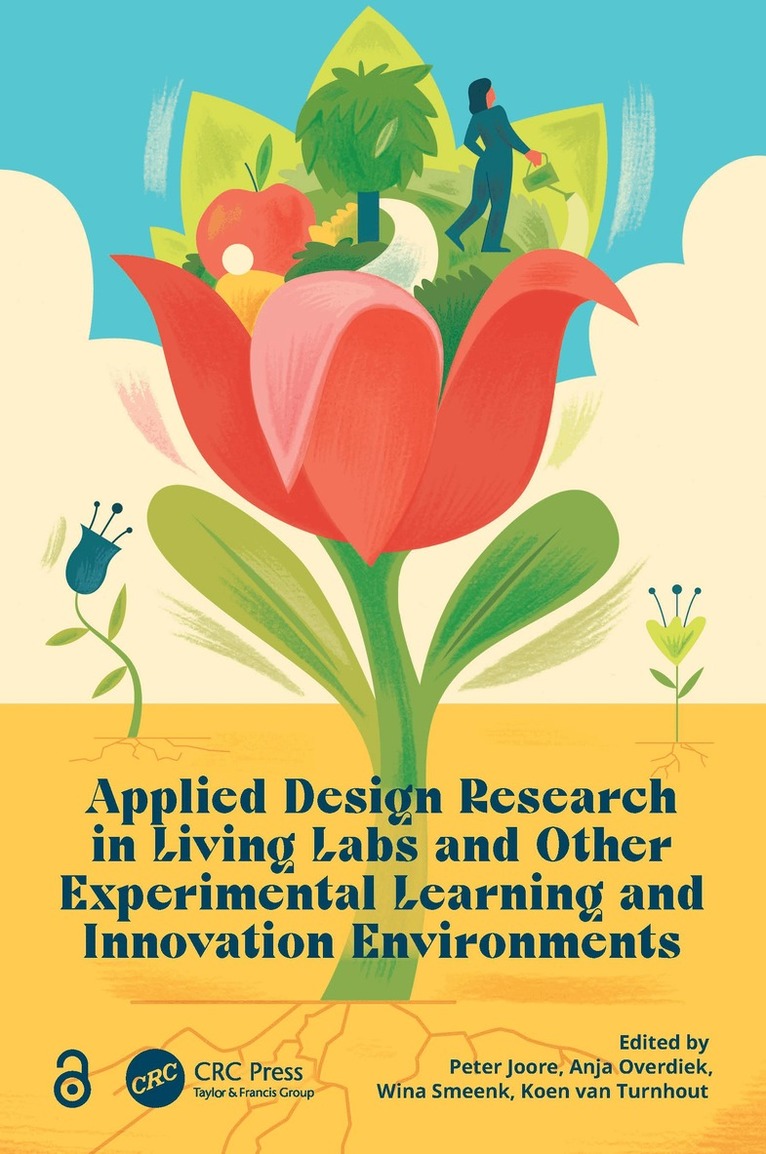
Experimental Learning and Innovation Environments, such as Living Labs, Field Labs, and Urban Innovation Labs, are increasingly used to connect multi-stakeholders in envisioning, creating, experimenting, learning, and trying out novel responses to diverse societal challenges. With designers facilitating the co-creation processes that take place in these labs, the design discipline plays an important role in these experimental environments.Applied Design Research in Living Labs and other Experimental Learning and Innovation Environments combines a focus on Experimental Learning and Innovation Environments (or Living Labs) with a focus on Applied Design Research. It offers an interdisciplinary perspective by bringing together diverse stakeholders from different disciplines. The book will adopt an interdisciplinary perspective, integrating insights from design, innovation, sociology, technology, and other relevant fields. It showcases real-world examples and case studies of successful Applied Design Research in Living Labs and focuses on design dilemmas that emerge while working in these Experimental Learning and Innovation Environments. The book explores the role of various stakeholders, including the roles that may play out during the development of Experimental Learning and Innovation Environments, and goes on to discuss the balance between fixed or fluid roles of these stakeholders and the polarity between working within one specific discipline versus working with various expertise or disciplines.Designers, government representatives, and researchers who apply a living lab approach to solve multi-stakeholder challenges in various fields by applying Urban Innovation Labs, Energy Living Labs, Mobility Living Labs, Health Living Labs, Education Living Labs, or Social Living Labs will find this book of interest.The Open Access version of this book, available at http://www.taylorfrancis.com, has been made available under a Creative Commons Attribution-Non Commercial-No Derivatives (CC-BY-NC-ND) 4.0 license.
Inbunden, Engelska, 2024
1 773 kr
Skickas inom 10-15 vardagar
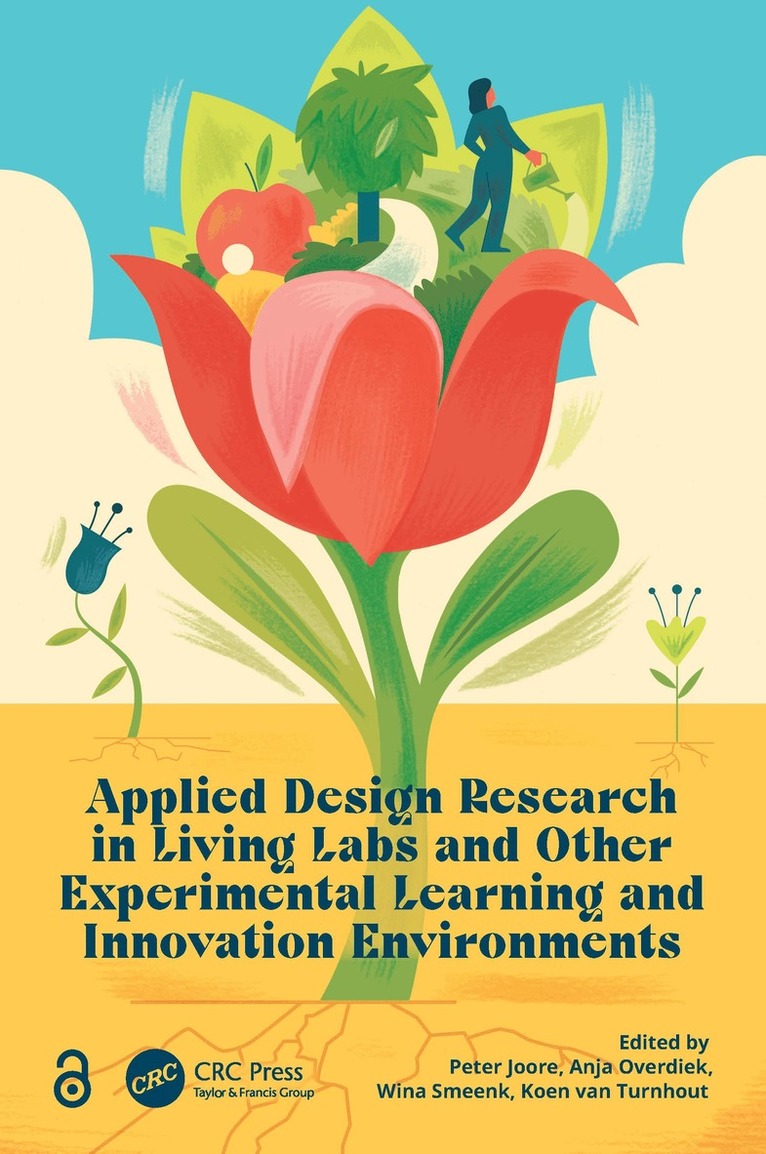
Experimental Learning and Innovation Environments, such as Living Labs, Field Labs, and Urban Innovation Labs, are increasingly used to connect multi-stakeholders in envisioning, creating, experimenting, learning, and trying out novel responses to diverse societal challenges. With designers facilitating the co-creation processes that take place in these labs, the design discipline plays an important role in these experimental environments.Applied Design Research in Living Labs and other Experimental Learning and Innovation Environments combines a focus on Experimental Learning and Innovation Environments (or Living Labs) with a focus on Applied Design Research. It offers an interdisciplinary perspective by bringing together diverse stakeholders from different disciplines. The book will adopt an interdisciplinary perspective, integrating insights from design, innovation, sociology, technology, and other relevant fields. It showcases real-world examples and case studies of successful Applied Design Research in Living Labs and focuses on design dilemmas that emerge while working in these Experimental Learning and Innovation Environments. The book explores the role of various stakeholders, including the roles that may play out during the development of Experimental Learning and Innovation Environments, and goes on to discuss the balance between fixed or fluid roles of these stakeholders and the polarity between working within one specific discipline versus working with various expertise or disciplines.Designers, government representatives, and researchers who apply a living lab approach to solve multi-stakeholder challenges in various fields by applying Urban Innovation Labs, Energy Living Labs, Mobility Living Labs, Health Living Labs, Education Living Labs, or Social Living Labs will find this book of interest.The Open Access version of this book, available at http://www.taylorfrancis.com, has been made available under a Creative Commons Attribution-Non Commercial-No Derivatives (CC-BY-NC-ND) 4.0 license.
Häftad, Engelska, 2025
758 kr
Skickas inom 10-15 vardagar
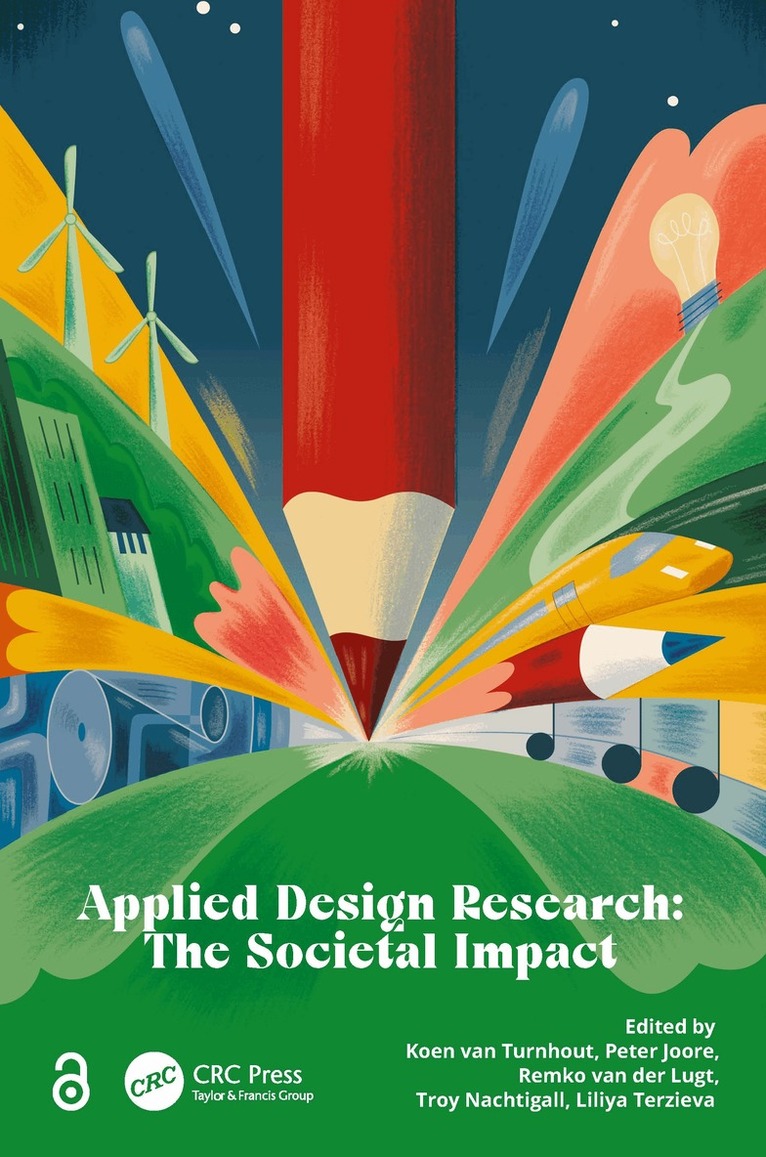
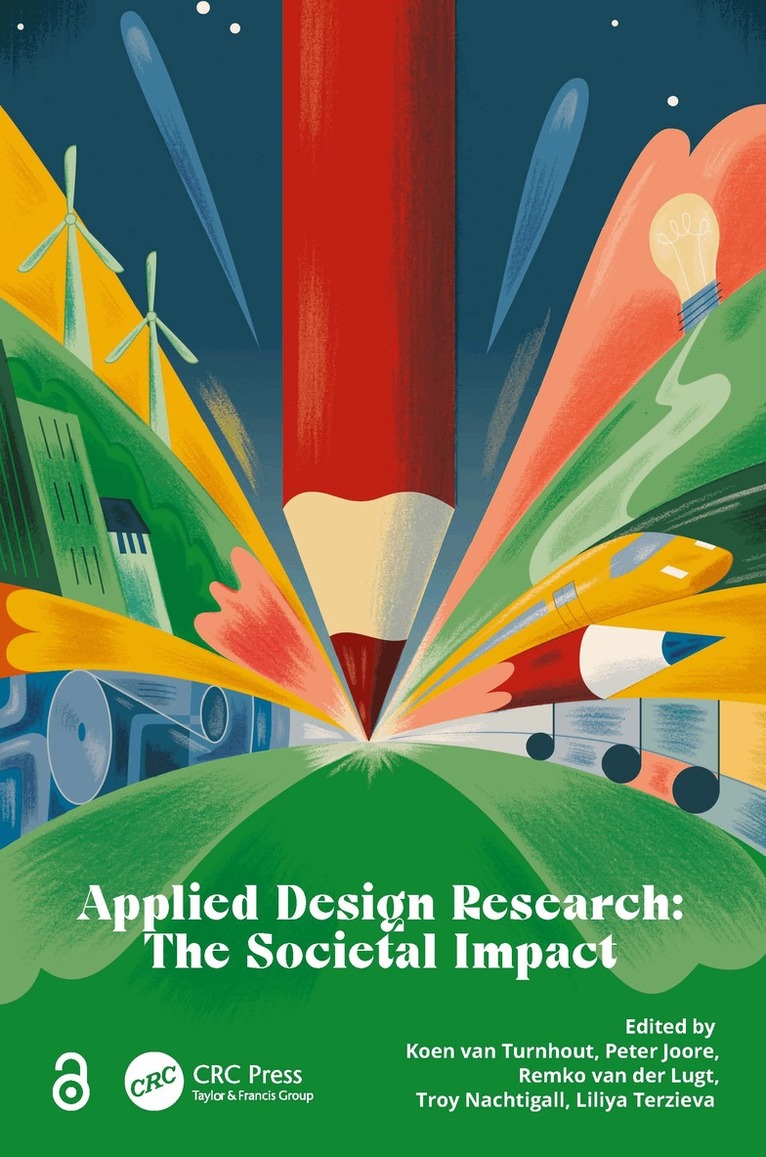
Applied design researchers are at the forefront of initiating and executing projects to catalyze societal change. But how exactly do they accomplish this? What are the various ways in which design research can contribute to societal transitions? How do these researchers bridge different system levels through their projects? Furthermore, how do they formulate research questions and deliver outputs that leave a lasting impact on society, and finally, how do design researchers navigate the delicate balance of incorporating different worldviews into their projects, while also considering their own perspectives? This book provides insightful answers to these questions, drawing on the expertise and experiences of established design researchers in the field.Applied Design Research: The Societal Impact discusses the transformative power of design research in driving societal change. This publication offers valuable insights into addressing pressing global issues such as the circular economy, healthcare challenges, and sustainability. The book explores the multifaceted role of design in influencing various levels of systems, including materials, products, services, and socio-technical ecosystems. Examining the underlying theories of change illuminates how design interventions can spark significant ripple effects within broader societal change processes. Through a collection of practical examples and case studies, this book showcases how applied design research can yield tangible and enduring societal impact.The book's Open Access format ensures widespread dissemination of knowledge, making it accessible to a diverse audience of designers, researchers, and policymakers worldwide.The Open Access version of this book, available at http://www.taylorfrancis.com, has been made available under a Creative Commons Attribution-Non Commercial-No Derivatives (CC-BY-NC-ND) 4.0 license.
Inbunden, Engelska, 2025
1 985 kr
Skickas inom 10-15 vardagar
Applied design researchers are at the forefront of initiating and executing projects to catalyze societal change. But how exactly do they accomplish this? What are the various ways in which design research can contribute to societal transitions? How do these researchers bridge different system levels through their projects? Furthermore, how do they formulate research questions and deliver outputs that leave a lasting impact on society, and finally, how do design researchers navigate the delicate balance of incorporating different worldviews into their projects, while also considering their own perspectives? This book provides insightful answers to these questions, drawing on the expertise and experiences of established design researchers in the field.Applied Design Research: The Societal Impact discusses the transformative power of design research in driving societal change. This publication offers valuable insights into addressing pressing global issues such as the circular economy, healthcare challenges, and sustainability. The book explores the multifaceted role of design in influencing various levels of systems, including materials, products, services, and socio-technical ecosystems. Examining the underlying theories of change illuminates how design interventions can spark significant ripple effects within broader societal change processes. Through a collection of practical examples and case studies, this book showcases how applied design research can yield tangible and enduring societal impact.The book's Open Access format ensures widespread dissemination of knowledge, making it accessible to a diverse audience of designers, researchers, and policymakers worldwide.The Open Access version of this book, available at http://www.taylorfrancis.com, has been made available under a Creative Commons Attribution-Non Commercial-No Derivatives (CC-BY-NC-ND) 4.0 license.