Peter Lamarque – författare
Visar alla böcker från författaren Peter Lamarque. Handla med fri frakt och snabb leverans.
16 produkter
Philosophy of Literature
Häftad, 2008
491 kr
Lägg i varukorg
By exploring central issues in the philosophy of literature, illustrated by a wide range of novels, poems, and plays, Philosophy of Literature gets to the heart of why literature matters to us and sheds new light on the nature and interpretation of literary works. Provides a comprehensive study, …
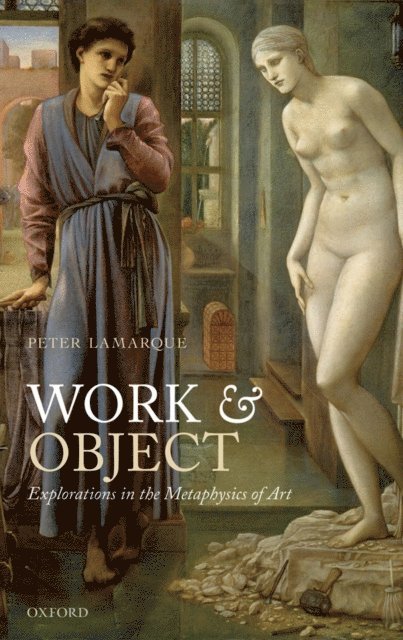
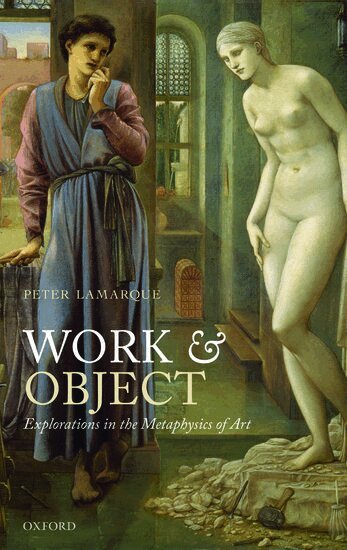
Work and Object
Explorations in the Metaphysics of Art
E-bok, 2010
457 kr
Lägg i varukorg
Work and Object is a study of fundamental questions in the metaphysics of art, notably how works relate to the materials that constitute them. Issues about the creation of works, what is essential and inessential to their identity, their distinct kinds of properties, including aesthetic properties, …
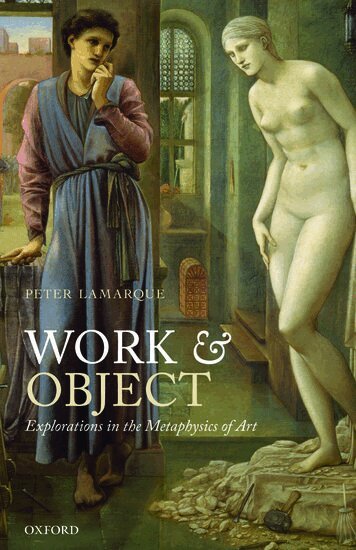
Work and Object
Explorations in the Metaphysics of Art
E-bok, 2010
457 kr
Lägg i varukorg
Work and Object is a study of fundamental questions in the metaphysics of art, notably how works relate to the materials that constitute them. Issues about the creation of works, what is essential and inessential to their identity, their distinct kinds of properties, including aesthetic properties, …
Playing with Words
On Form and Thought in the Philosophy of Poetry
Inbunden, 2026
1172 kr
Kommande
Peter Lamarque argues that what sets poetry apart from other uses of language is playfulness, contrasted not with seriousness but with single-mindedness. Poetry gives the imagination free rein, engaging in exploratory journeys of thought, emotion, and ways of seeing without prescribed methods or …
Truth, Fiction, and Literature
A Philosophical Perspective
Av Peter Lamarque, Stein Haugom Olsen
Häftad, 1996
1345 kr
Lägg i varukorg
This book examines the complex and varied ways in which fictions relate to the real world, and offers a precise account of how imaginative works of literature can use fictional content to explore matters of universal human interest. While rejecting the traditional view that literature is important …
Work and Object
Explorations in the Metaphysics of Art
Inbunden, 2010
1974 kr
Lägg i varukorg
Work and Object is a study of fundamental questions in the metaphysics of art, notably how works relate to the materials that constitute them. Issues about the creation of works, what is essential and inessential to their identity, their distinct kinds of properties, including aesthetic properties, …
Work and Object
Explorations in the Metaphysics of Art
Häftad, 2012
732 kr
Lägg i varukorg
Work and Object is a study of fundamental questions in the metaphysics of art, notably how works relate to the materials that constitute them. Issues about the creation of works, what is essential and inessential to their identity, their distinct kinds of properties, including aesthetic properties, …
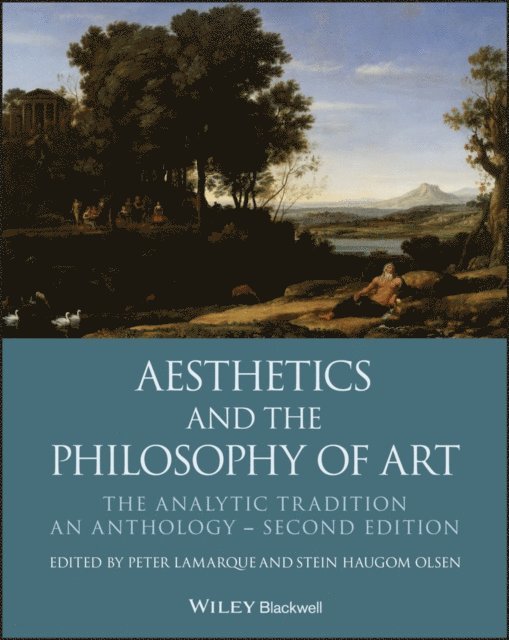
Aesthetics and the Philosophy of Art
The Analytic Tradition, An Anthology
Av Peter Lamarque, Stein Haugom Olsen
Häftad, 2018
708 kr
Lägg i varukorg
For over fifty years, philosophers working within the broader remit of analytic philosophy have developed and refined a substantial body of work in aesthetics and the philosophy of art, curating a core foundation of scholarship which offers rigor and clarity on matters of profound and perennial …
Aesthetics and the Philosophy of Art
The Analytic Tradition, An Anthology
Av Stein Haugom Olsen, Peter Lamarque
E-bok, 2018
797 kr
Lägg i varukorg
For over fifty years, philosophers working within the broader remit of analytic philosophy have developed and refined a substantial body of work in aesthetics and the philosophy of art, curating a core foundation of scholarship which offers rigor and clarity on matters of profound and perennial …
Aesthetics and the Philosophy of Art
The Analytic Tradition, An Anthology
Av Stein Haugom Olsen, Peter Lamarque
E-bok, 2018
814 kr
Lägg i varukorg
For over fifty years, philosophers working within the broader remit of analytic philosophy have developed and refined a substantial body of work in aesthetics and the philosophy of art, curating a core foundation of scholarship which offers rigor and clarity on matters of profound and perennial …
Aesthetics and the Philosophy of Art
The Analytic Tradition: An Anthology
Inbunden, 2003
1985 kr
Lägg i varukorg
This anthology provides comprehensive coverage of the major contributions of analytic philosophy to aesthetics and the philosophy of art, from the earliest beginnings in the 1950's to the present time. Traces the contributions of the analytic tradition to aesthetics and the philosophy of art, from …
Philosophy of Literature
Inbunden, 2008
1395 kr
Lägg i varukorg
By exploring central issues in the philosophy of literature, illustrated by a wide range of novels, poems, and plays, Philosophy of Literature gets to the heart of why literature matters to us and sheds new light on the nature and interpretation of literary works. Provides a comprehensive study, …
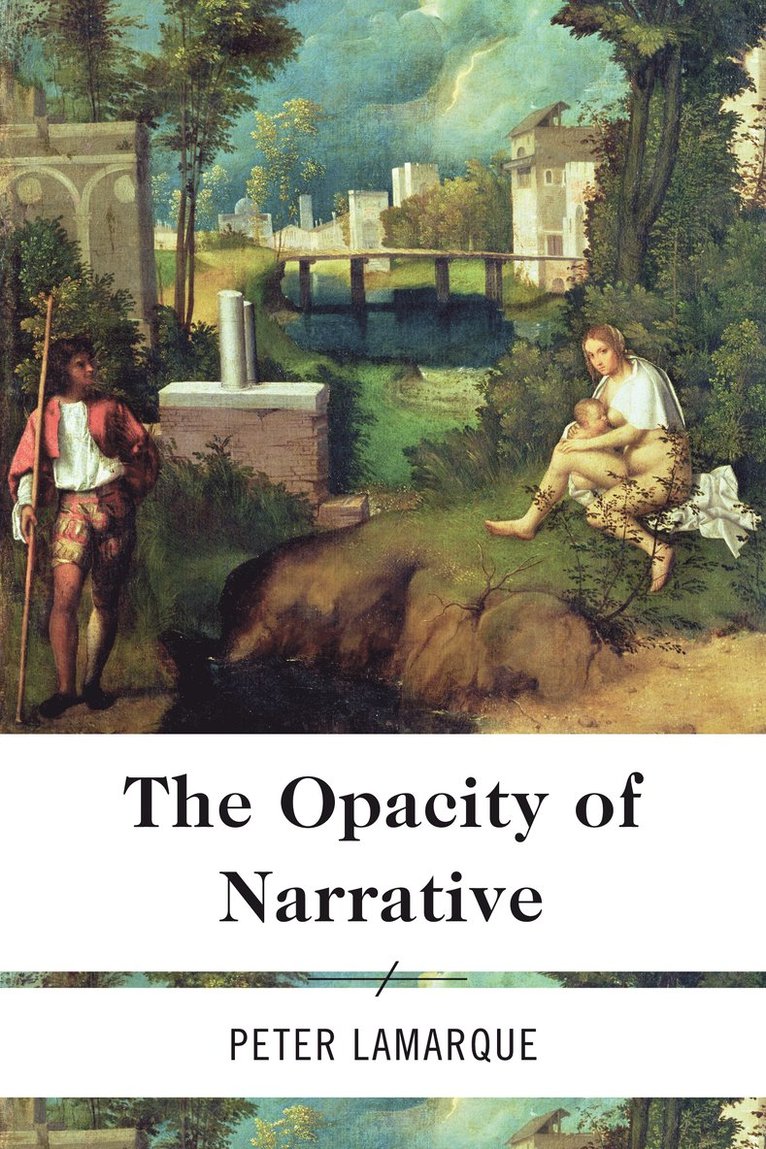
Opacity of Narrative
Inbunden, 2014
2126 kr
Lägg i varukorg
What is narrative? What is distinctive about the great literary narratives? In virtue of what is a narrative fictional or non-fictional? In this important new book Peter Lamarque, one of the leading philosophers of literature at work today, explores these and related questions to bring new clarity …
Opacity of Narrative
Häftad, 2014
708 kr
Lägg i varukorg
What is narrative? What is distinctive about the great literary narratives? In virtue of what is a narrative fictional or non-fictional? In this important new book Peter Lamarque, one of the leading philosophers of literature at work today, explores these and related questions to bring new clarity …
Opacity of Narrative
E-bok, 2014
680 kr
Lägg i varukorg
What is narrative? What is distinctive about the great literary narratives? In virtue of what is a narrative fictional or non-fictional? In this important new book Peter Lamarque, one of the leading philosophers of literature at work today, explores these and related questions to bring new clarity …
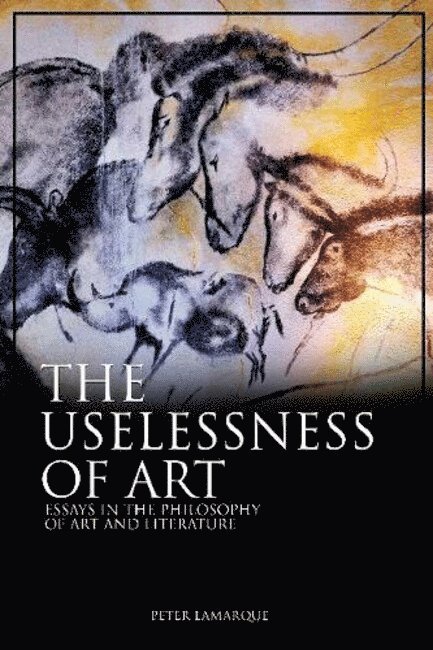
Uselessness of Art
Essays in the Philosophy of Art and Literature
Häftad, 2019
581 kr
Lägg i varukorg
Oscar Wilde's famous quip 'All art is quite useless' might not be as outrageous or demonstrably false as is often supposed. No-one denies that much art begins life with practical aims in mind: religious, moral, political, propagandistic, or the aggrandising of its subjects. But those works that …