Peter M. Tiersma – författare
Visar alla böcker från författaren Peter M. Tiersma. Handla med fri frakt och snabb leverans.
11 produkter
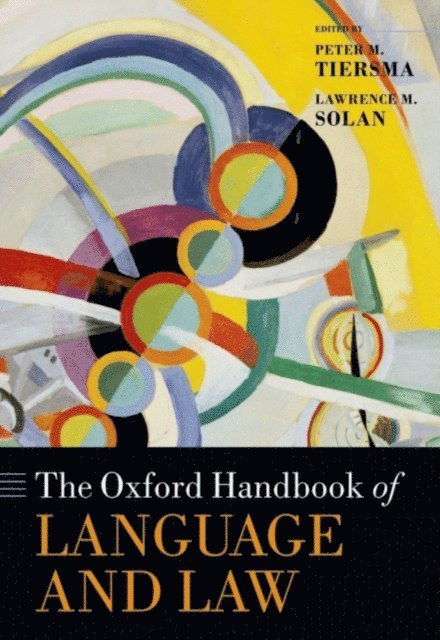
Oxford Handbook of Language and Law
Av Lawrence M. Solan, Peter M. Tiersma
E-bok, 2012
481 kr
Lägg i varukorg
This book provides a state-of-the-art account of past and current research in the interface between linguistics and law. It outlines the range of legal areas in which linguistics plays an increasing role and describes the tools and approaches used by linguists and lawyers in this vibrant new field. …
Oxford Handbook of Language and Law
Av Lawrence M. Solan, Peter M. Tiersma
E-bok, 2012
481 kr
Lägg i varukorg
This book provides a state-of-the-art account of past and current research in the interface between linguistics and law. It outlines the range of legal areas in which linguistics plays an increasing role and describes the tools and approaches used by linguists and lawyers in this vibrant new field. …
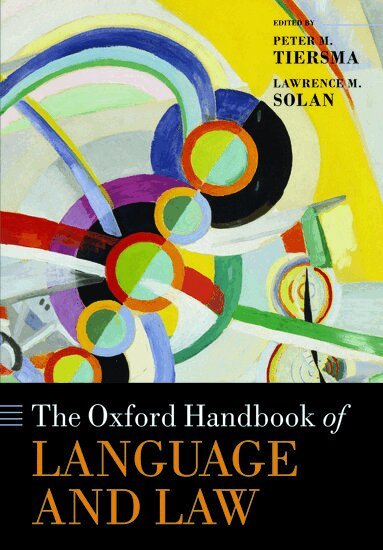
The Oxford Handbook of Language and Law
Av Peter M. Tiersma, Lawrence M. Solan
Häftad, 2016
709 kr
Lägg i varukorg
This book provides a state-of-the-art account of past and current research in the interface between linguistics and law. It outlines the range of legal areas in which linguistics plays an increasing role and describes the tools and approaches used by linguists and lawyers in this vibrant new field. …
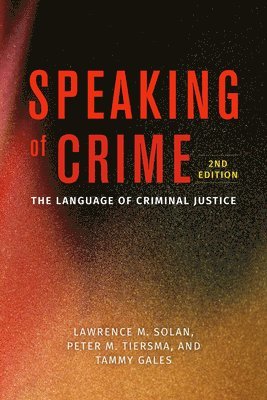
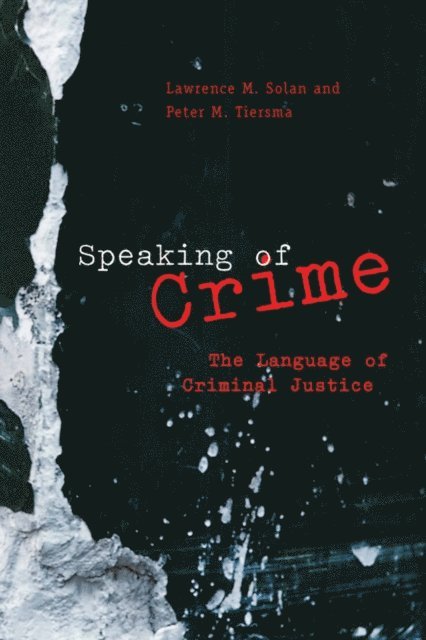
Speaking of Crime
The Language of Criminal Justice
Av Lawrence M. Solan, Peter M. Tiersma m. fl.
Häftad, 2025
282 kr
Lägg i varukorg
An essential introduction to the use and misuse of language within the criminal justice system, updated for a new generation.Does everyone understand the Miranda warning? Why do people confess to a crime they did not commit? Can linguistic experts identify who wrote an anonymous threatening letter? …
Speaking of Crime
The Language of Criminal Justice
Av Peter M. Tiersma, Lawrence M. Solan
E-bok, 2010
575 kr
Lägg i varukorg
Why do so many people voluntarily consent to searches by have the police search their person or vehicle when they know that they are carrying contraband or evidence of illegal activity? Does everyone understand the Miranda warning? How well can people recognize a voice on tape? Can linguistic …
Speaking of Crime
The Language of Criminal Justice
Av Lawrence M. Solan, Peter M. Tiersma
Häftad, 2005
290 kr
Lägg i varukorg
Why do so many people voluntarily consent to searches by have the police search their person or vehicle when they know that they are carrying contraband or evidence of illegal activity? Does everyone understand the Miranda warning? How well can people recognize a voice on tape? Can linguistic …
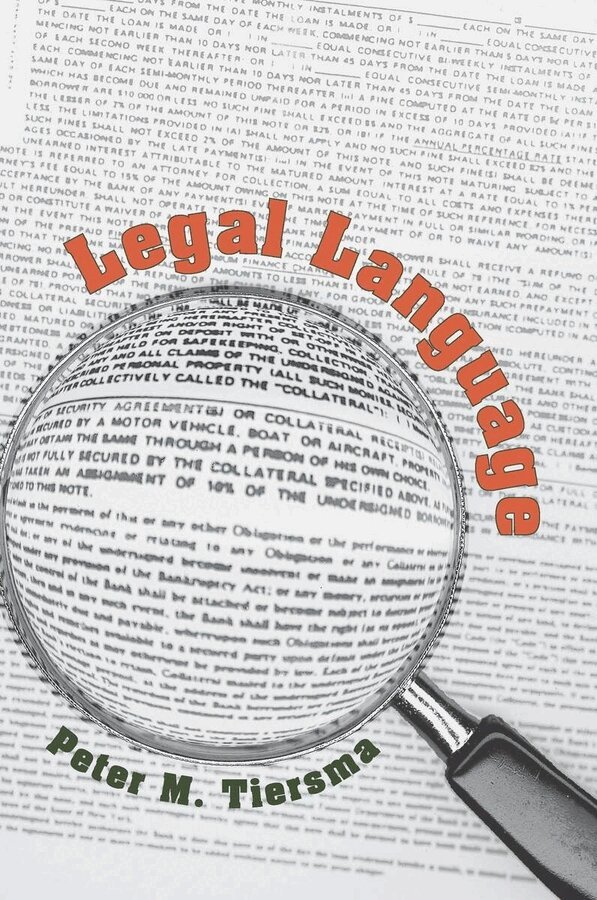
Legal Language
Häftad, 2000
267 kr
Lägg i varukorg
Why is legal language so different from ordinary English? Statutes, judicial opinions, contracts, deeds and wills profoundly affect our daily lives, but their language tends to be convoluted, antiquated and often nearly impossible for the public to understand. So where did the "lessees" and …
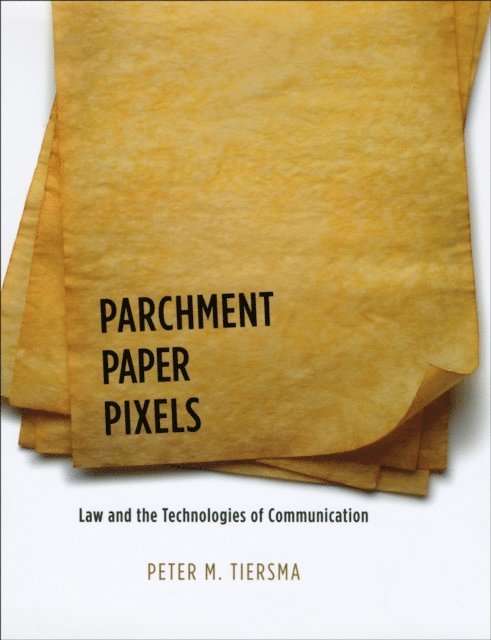
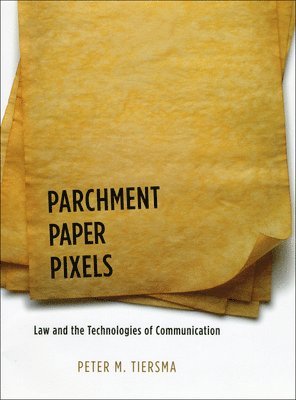
Parchment, Paper, Pixels
Law and the Technologies of Communication
E-bok, 2010
836 kr
Lägg i varukorg
Technological revolutions have had an unquestionable, if still debatable, impact on culture and society—perhaps none more so than the written word. In the legal realm, the rise of literacy and print culture made possible the governing of large empires, the memorializing of private legal …
Speaking of Crime
The Language of Criminal Justice
Av Lawrence M. Solan, Peter M. Tiersma m. fl.
Inbunden, 2025
913 kr
Lägg i varukorg
An essential introduction to the use and misuse of language within the criminal justice system, updated for a new generation.Does everyone understand the Miranda warning? Why do people confess to a crime they did not commit? Can linguistic experts identify who wrote an anonymous threatening letter? …
Speaking of Crime
The Language of Criminal Justice
Av Lawrence M. Solan, Peter M. Tiersma
Inbunden, 2005
744 kr
Tillfälligt slut
Why do so many people voluntarily consent to searches by have the police search their person or vehicle when they know that they are carrying contraband or evidence of illegal activity? Does everyone understand the Miranda warning? How well can people recognize a voice on tape? Can linguistic …
Parchment, Paper, Pixels
Law and the Technologies of Communication
Inbunden, 2010
393 kr
Tillfälligt slut
Technological revolutions have had an unquestionable, if still debatable, impact on culture and society - perhaps none more so than the written word. In the legal realm, the rise of literacy and print culture made possible the governing of large empires, the memorializing of private legal …