Peter R. Mansoor – författare
Visar alla böcker från författaren Peter R. Mansoor. Handla med fri frakt och snabb leverans.
15 produkter
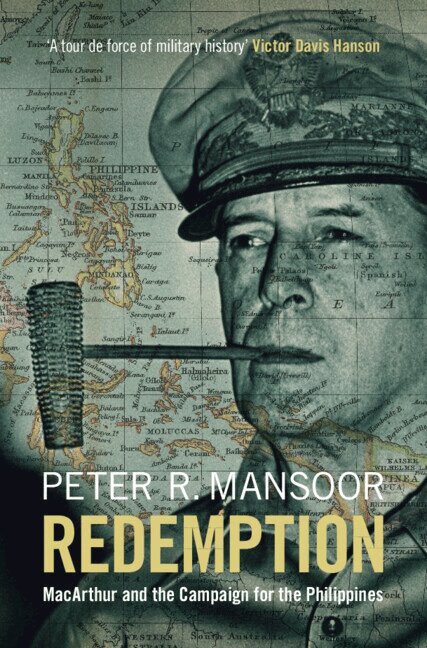
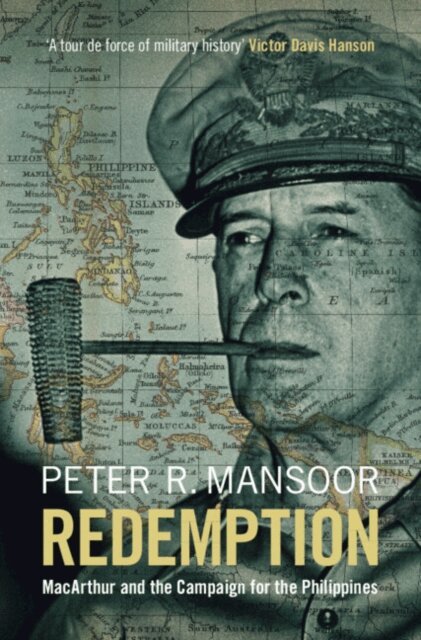
Redemption
MacArthur and the Campaign for the Philippines
Inbunden, 2025
371 kr
Lägg i varukorg
Redemption is a sweeping new history of the largest and costliest campaign waged by US armed forces during the Pacific War. Peter Mansoor surveys the course of the Philippines campaign, from the Japanese invasion and the Filipino guerrilla operations which contested occupation to the US Army's …
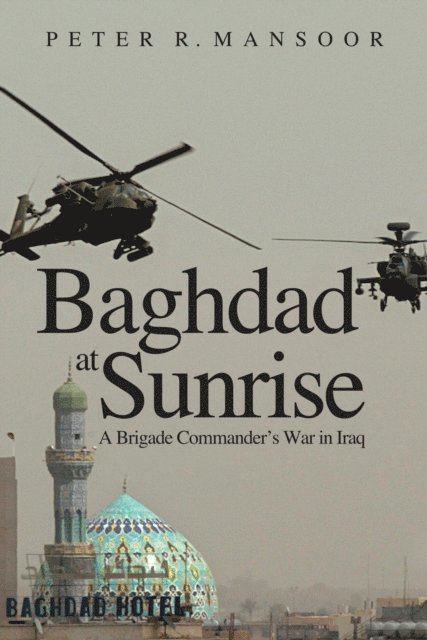
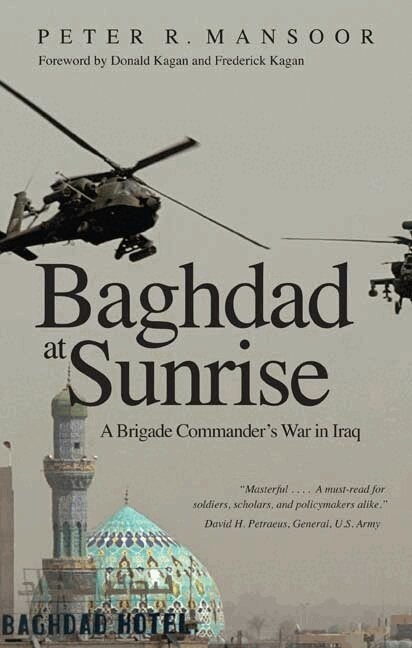
Baghdad at Sunrise
A Brigade Commander''s War in Iraq
E-bok, 2008
235 kr
Lägg i varukorg
This compelling book presents an unparalleled record of what happened after U.S. forces seized Baghdad in the spring of 2003. Army Colonel Peter R. Mansoor, the on-the-ground commander of the 1st Brigade, 1st Armored Division—the "Ready First Combat Team"—describes his brigade''s first year in …
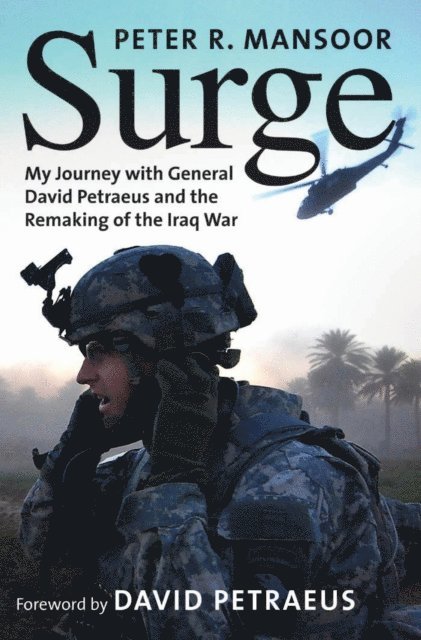
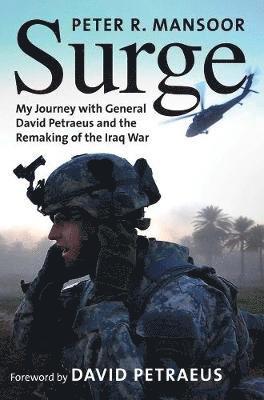
Surge
My Journey with General David Petraeus and the Remaking of the Iraq War
E-bok, 2013
235 kr
Lägg i varukorg
"The definitive account . . . A fascinating combination of grand strategy and personal vignettes" (Max Boot, The Wall Street Journal). Finalist for the 2013 Guggenheim-Lehrman Prize in Military History Surge is an insider''s view of the most decisive phase of the Iraq War. After exploring the …
Hybrid Warfare
Fighting Complex Opponents from the Ancient World to the Present
Av Williamson Murray, Peter R. Mansoor
Inbunden, 2012
1493 kr
Lägg i varukorg
Hybrid warfare has been an integral part of the historical landscape since the ancient world, but only recently have analysts - incorrectly - categorised these conflicts as unique. Great powers throughout history have confronted opponents who used a combination of regular and irregular forces to …
Grand Strategy and Military Alliances
Av Peter R. Mansoor, Williamson Murray
Inbunden, 2016
1928 kr
Lägg i varukorg
Alliances have shaped grand strategy and warfare since the dawn of civilization. Indeed, it is doubtful that the United States of America would have gained its independence without its Revolutionary War alliance with France. Such alliances may prove even more important to international security in …
Hybrid Warfare
Fighting Complex Opponents from the Ancient World to the Present
Av Williamson Murray, Peter R. Mansoor
Häftad, 2012
502 kr
Lägg i varukorg
Hybrid warfare has been an integral part of the historical landscape since the ancient world, but only recently have analysts - incorrectly - categorised these conflicts as unique. Great powers throughout history have confronted opponents who used a combination of regular and irregular forces to …
The Culture of Military Organizations
Av Peter R. Mansoor, Williamson Murray
Inbunden, 2019
1710 kr
Lägg i varukorg
Culture has an enormous influence on military organizations and their success or failure in war. Cultural biases often result in unstated assumptions that have a deep impact on the making of strategy, operational planning, doctrinal creation, and the organization and training of armed forces. …
Culture of Military Organizations
Av Williamson Murray, Peter R. Mansoor
E-bok, 2019
555 kr
Lägg i varukorg
Culture has an enormous influence on military organizations and their success or failure in war. Cultural biases often result in unstated assumptions that have a deep impact on the making of strategy, operational planning, doctrinal creation, and the organization and training of armed forces. …
The Culture of Military Organizations
Av Peter R. Mansoor, Williamson Murray
Häftad, 2019
569 kr
Lägg i varukorg
Culture has an enormous influence on military organizations and their success or failure in war. Cultural biases often result in unstated assumptions that have a deep impact on the making of strategy, operational planning, doctrinal creation, and the organization and training of armed forces. …
Grand Strategy and Military Alliances
Av Peter R. Mansoor, Williamson Murray
Häftad, 2018
687 kr
Lägg i varukorg
Alliances have shaped grand strategy and warfare since the dawn of civilization. Indeed, it is doubtful that the United States of America would have gained its independence without its Revolutionary War alliance with France. Such alliances may prove even more important to international security in …
Baghdad at Sunrise
A Brigade Commander's War in Iraq
Häftad, 2009
208 kr
Tillfälligt slut
A gripping personal account of success and failure in Iraq during the crucial first year after the fall of the Ba’athist regimeThis compelling book presents an unparalleled record of what happened after U.S. forces seized Baghdad in the spring of 2003. Army Colonel Peter R. Mansoor, the …
Surge
My Journey with General David Petraeus and the Remaking of the Iraq War
Häftad, 2014
218 kr
Tillfälligt slut
The first full insider account of the troop surge in Iraq, told by a member of General David Petraeus’s personal staffSurge is an insider’s view of the most decisive phase of the Iraq War. After exploring the dynamics of the war during its first three years, the book takes the reader on a journey …
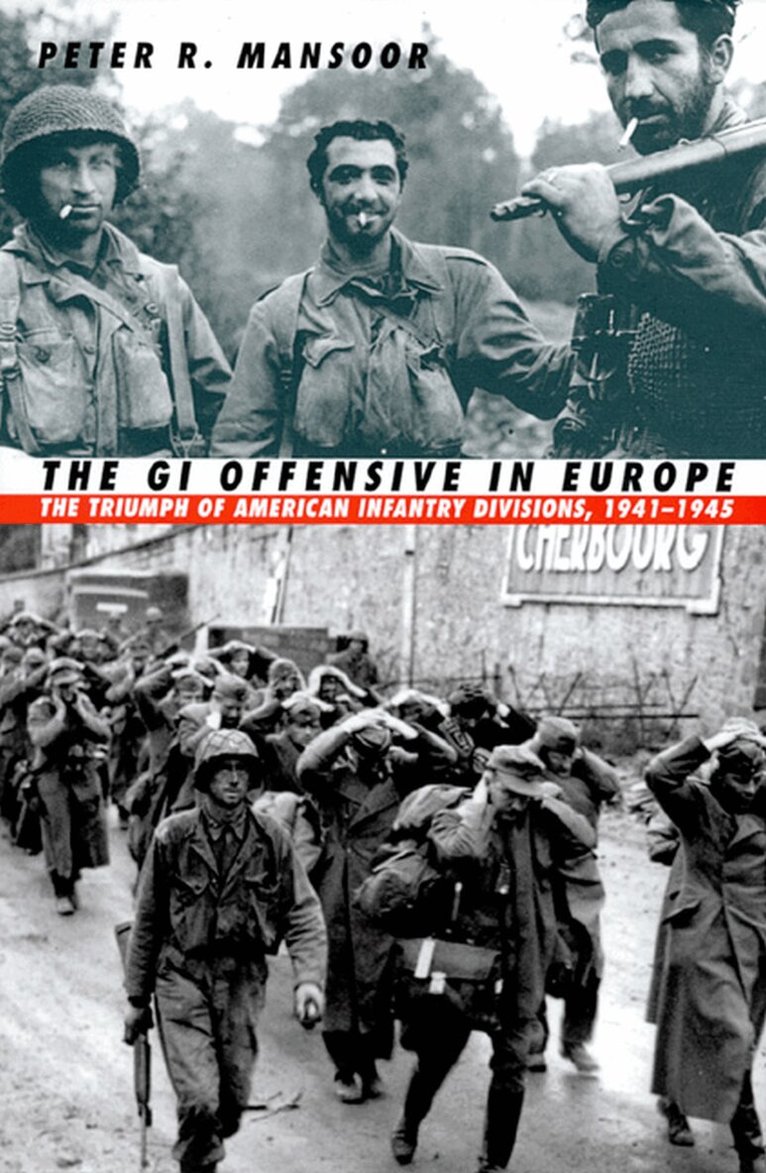
GI Offensive in Europe
The Triumph of American Infantry Divisions, 1941-1945
Häftad, 1999
425 kr
Tillfälligt slut
An account of the GI offensive in Europe. From the mobilization of an ill-trained and poorly-equipped army in 1940 to the juggernaut of 69 infantry divisions in 1945, Peter R. Mansoor provides an analysis of the long and bloody road to victory over the German army. The work also touches on …