Peter S. Ashton – författare
Visar alla böcker från författaren Peter S. Ashton. Handla med fri frakt och snabb leverans.
3 produkter
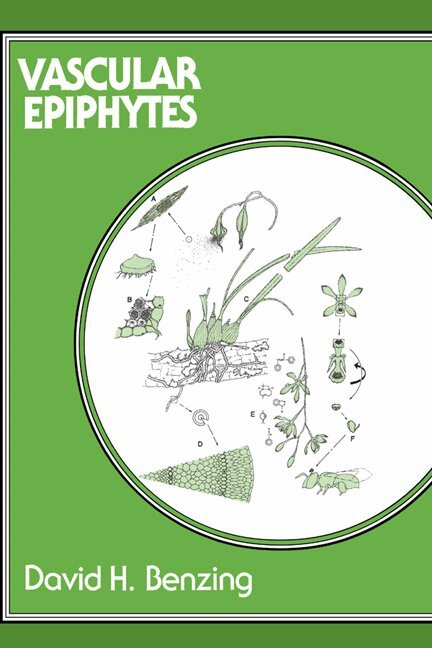
Vascular Epiphytes
General Biology and Related Biota
Av David H. Benzing, Peter S. Ashton m. fl.
Inbunden, 1990
2508 kr
Lägg i varukorg
Epiphytes (plants which grow on other plants, not parasitically but for support), comprise more than one-third of the total vascular flora in some tropical forests. Growing within tropical forest canopies, epiphytes are subject to severe environmental constraints, and their diverse adaptations make …
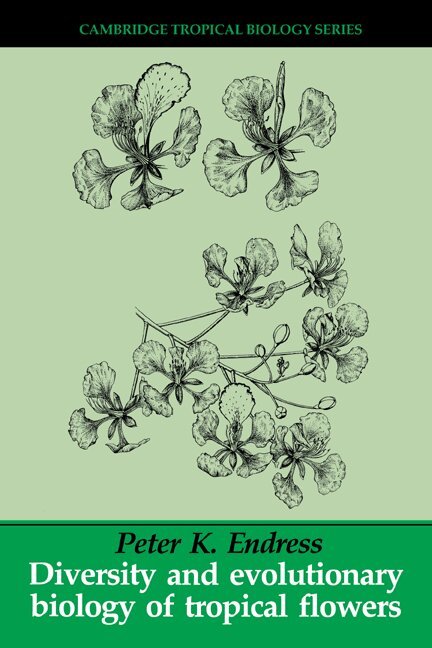
Diversity and Evolutionary Biology of Tropical Flowers
Av Peter K. Endress, Peter S. Ashton
Häftad, 1996
1172 kr
Lägg i varukorg
The study of flowers provides a unique insight into the biology and evolution of flowering plants as a whole. The comparative study of flowers began in temperate regions and as a consequence most books on flowers are concerned with temperate plants. In contrast, this volume concentrates on tropical …
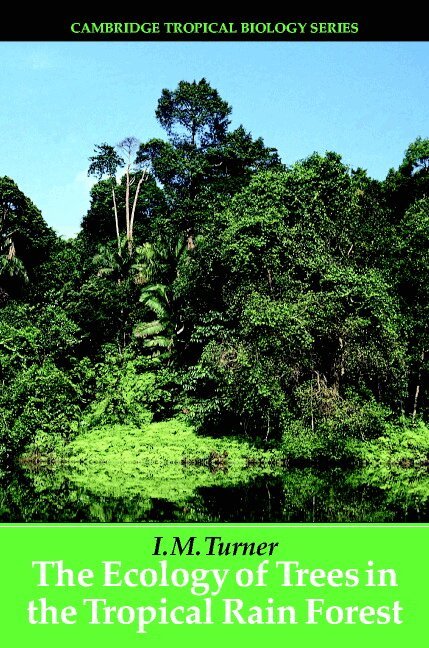
The Ecology of Trees in the Tropical Rain Forest
Av I. M. Turner, Peter S. Ashton
Inbunden, 2001
2247 kr
Lägg i varukorg
Our knowledge of the ecology of tropical rain-forest trees is limited, with detailed information available for perhaps only a few hundred of the many thousand of species that occur. Yet a good understanding of the trees is essential to unravelling the workings of the forest itself. This book aims …