Peter Thorsheim - Böcker
Visar alla böcker från författaren Peter Thorsheim. Handla med fri frakt och snabb leverans.
6 produkter
6 produkter
769 kr
Skickas inom 5-8 vardagar
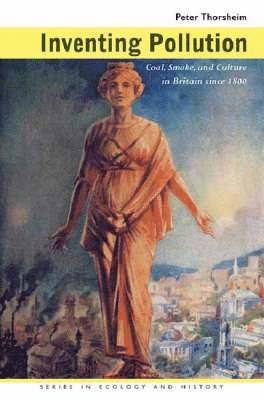
Britain's supremacy in the nineteenth century depended in large part on its vast deposits of coal. This coal not only powered steam engines in factories, ships, and railway locomotives but also warmed homes and cooked food. As coal consumption skyrocketed, the air in Britain's cities and towns became filled with ever-greater and denser clouds of smoke. In this far-reaching study, Peter Thorsheim explains that, for much of the nineteenth century, few people in Britain even considered coal smoke to be pollution. To them, pollution meant miasma: invisible gases generated by decomposing plant and animal matter. Far from viewing coal smoke as pollution, most people considered smoke to be a valuable disinfectant, for its carbon and sulfur were thought capable of rendering miasma harmless.Inventing Pollution examines the radically new understanding of pollution that emerged in the late nineteenth century, one that centered not on organic decay but on coal combustion. This change, as Peter Thorsheim argues, gave birth to the smoke-abatement movement and to new ways of thinking about the relationships among humanity, technology, and the environment.
464 kr
Skickas inom 5-8 vardagar
Britain's supremacy in the nineteenth century depended in large part on its vast deposits of coal. This coal not only powered steam engines in factories, ships, and railway locomotives but also warmed homes and cooked food. As coal consumption skyrocketed, the air in Britain's cities and towns became filled with ever-greater and denser clouds of smoke. In this far-reaching study, Peter Thorsheim explains that, for much of the nineteenth century, few people in Britain even considered coal smoke to be pollution. To them, pollution meant miasma: invisible gases generated by decomposing plant and animal matter. Far from viewing coal smoke as pollution, most people considered smoke to be a valuable disinfectant, for its carbon and sulfur were thought capable of rendering miasma harmless.Inventing Pollution examines the radically new understanding of pollution that emerged in the late nineteenth century, one that centered not on organic decay but on coal combustion. This change, as Peter Thorsheim argues, gave birth to the smoke-abatement movement and to new ways of thinking about the relationships among humanity, technology, and the environment.
311 kr
Skickas inom 10-15 vardagar
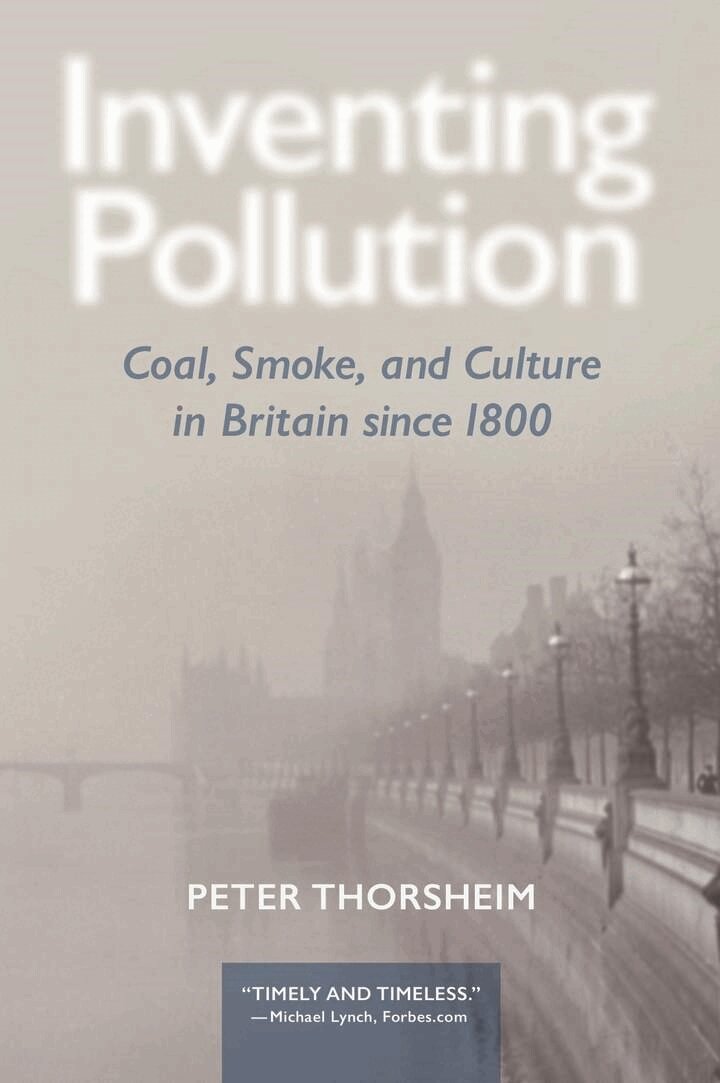
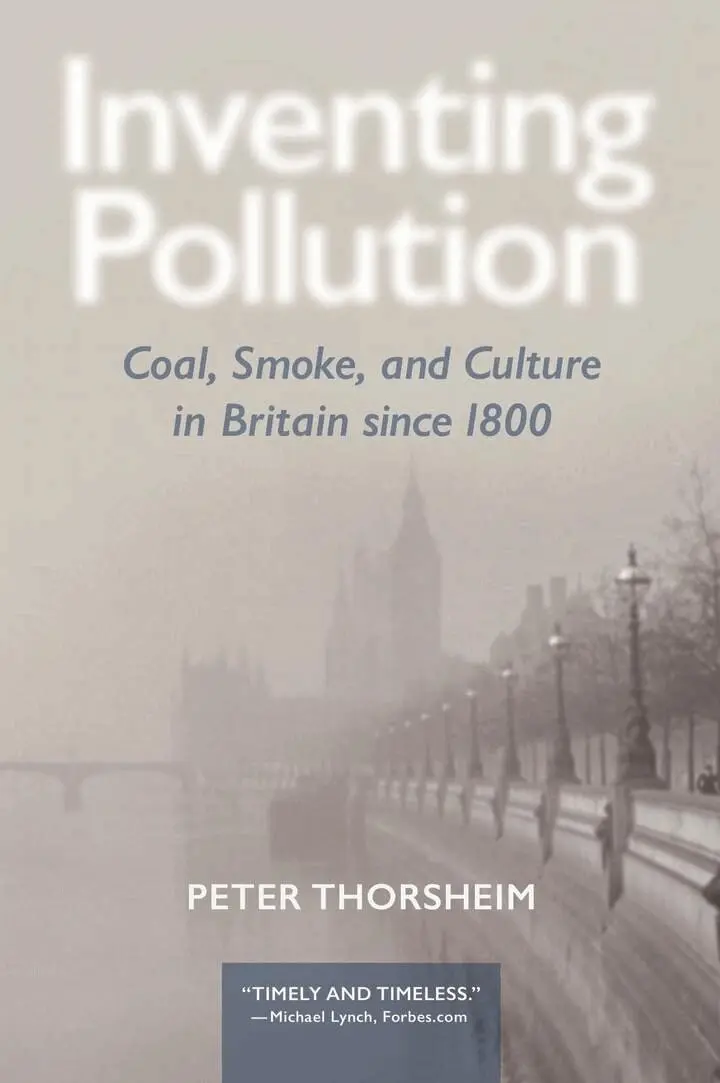
Going as far back as the thirteenth century, Britons mined and burned coal. Britain's supremacy in the nineteenth century depended in large part on its vast deposits of coal, which powered industry, warmed homes, and cooked food. As coal consumption skyrocketed, the air in Britain's cities and towns filled with ever-greater and denser clouds of smoke. Yet, for much of the nineteenth century, few people in Britain even considered coal smoke to be pollution.Inventing Pollution examines the radically new understanding of pollution that emerged in the late nineteenth century, one that centered not on organic decay but on coal combustion. This change, as Peter Thorsheim argues, gave birth to the smoke-abatement movement and to new ways of thinking about the relationships among humanity, technology, and the environment.Even as coal production in Britain has plummeted in recent decades, it has surged in other countries. This reissue of Thorsheim's far-reaching study includes a new preface that reveals the book's relevance to the contentious national and international debates—which aren't going away anytime soon—around coal, air pollution more generally, and the grave threat of human-induced climate change.
695 kr
Skickas inom 7-10 vardagar
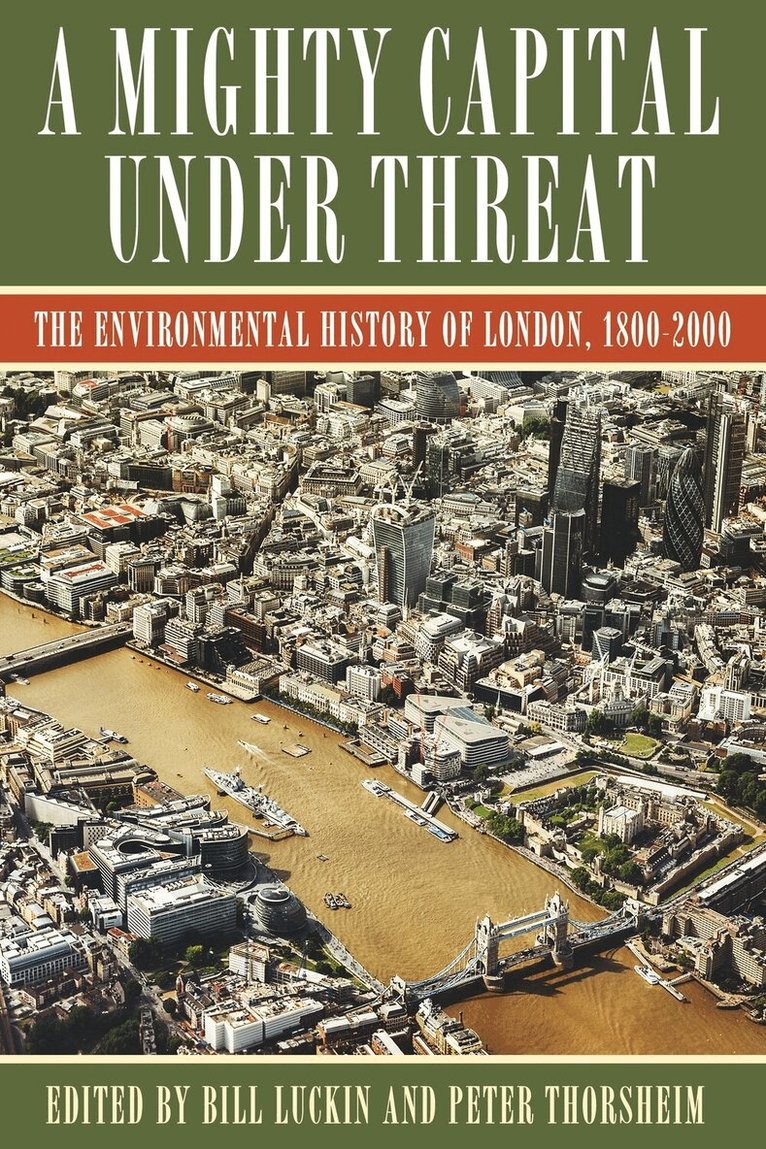
Demographically, nineteenth-century London, or what Victorians called the “new Rome,” first equaled, then superseded its ancient ancestor. By the mid-eighteenth century, the British capital had already developed into a global city. Sustained by its enormous empire, between 1800 and the First World War London ballooned in population and land area. Nothing so vast had previously existed anywhere. A Mighty Capital under Threat investigates the environmental history of one of the world’s global cities and the largest city in the United Kingdom. Contributors cover the feeding of London, waste management, movement between the city’s numerous districts, and the making and shaping of the environmental sciences in the late nineteenth and early twentieth centuries.
1 282 kr
Tillfälligt slut
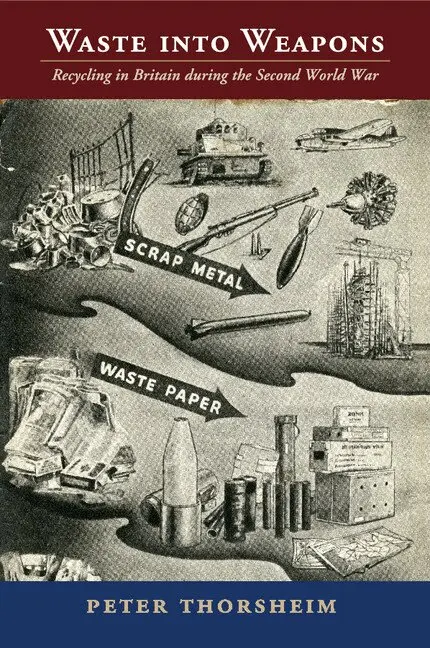
During the Second World War, the United Kingdom faced severe shortages of essential raw materials. To keep its armaments factories running, the British government enlisted millions of people in efforts to recycle a wide range of materials for use in munitions production. Recycling not only supplied British munitions factories with much-needed raw materials - it also played a key role in the efforts of the British government to maintain the morale of its citizens, to secure billions of dollars in Lend-Lease aid from the United States, and to uncover foreign intelligence. However, Britain's wartime recycling campaign came at a cost: it consumed items that would never have been destroyed under normal circumstances, including significant parts of the nation's cultural heritage. Based on extensive archival research, Peter Thorsheim examines the relationship between armaments production, civil liberties, cultural preservation, and diplomacy, making Waste into Weapons the first in-depth history of twentieth-century recycling in Britain.
441 kr
Skickas inom 7-10 vardagar
During the Second World War, the United Kingdom faced severe shortages of essential raw materials. To keep its armaments factories running, the British government enlisted millions of people in efforts to recycle a wide range of materials for use in munitions production. Recycling not only supplied British munitions factories with much-needed raw materials - it also played a key role in the efforts of the British government to maintain the morale of its citizens, to secure billions of dollars in Lend-Lease aid from the United States, and to uncover foreign intelligence. However, Britain's wartime recycling campaign came at a cost: it consumed items that would never have been destroyed under normal circumstances, including significant parts of the nation's cultural heritage. Based on extensive archival research, Peter Thorsheim examines the relationship between armaments production, civil liberties, cultural preservation, and diplomacy, making Waste into Weapons the first in-depth history of twentieth-century recycling in Britain.