Peter Vanezis - Böcker
Visar alla böcker från författaren Peter Vanezis. Handla med fri frakt och snabb leverans.
4 produkter
4 produkter
991 kr
Skickas inom 10-15 vardagar
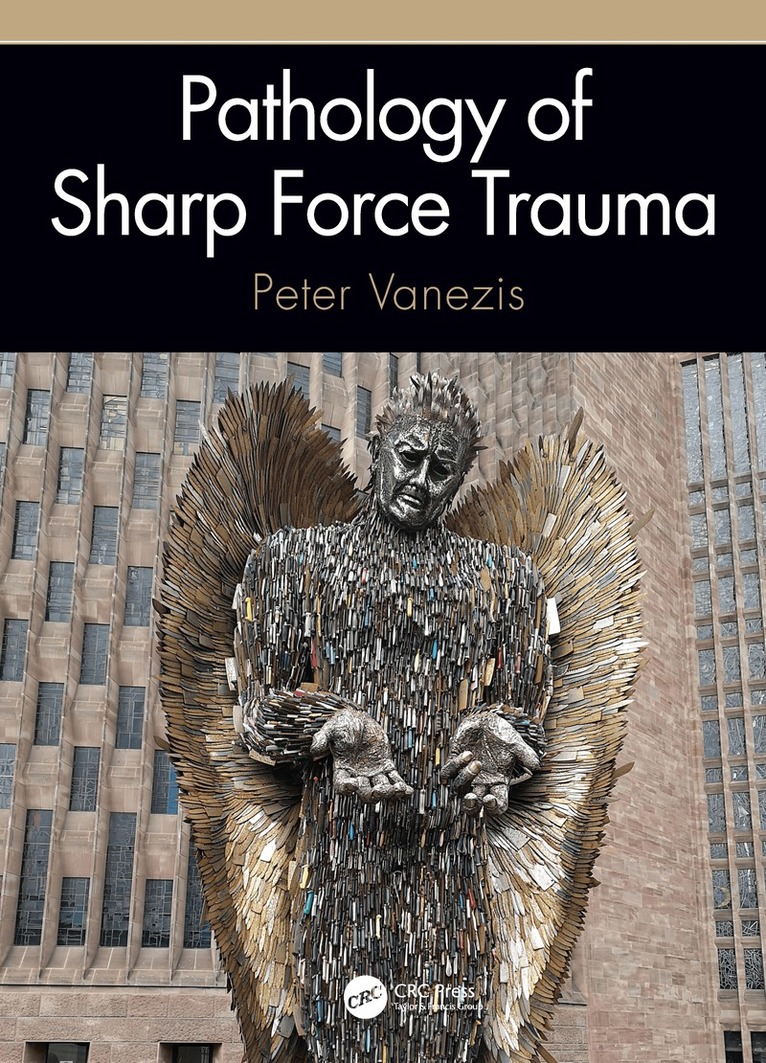
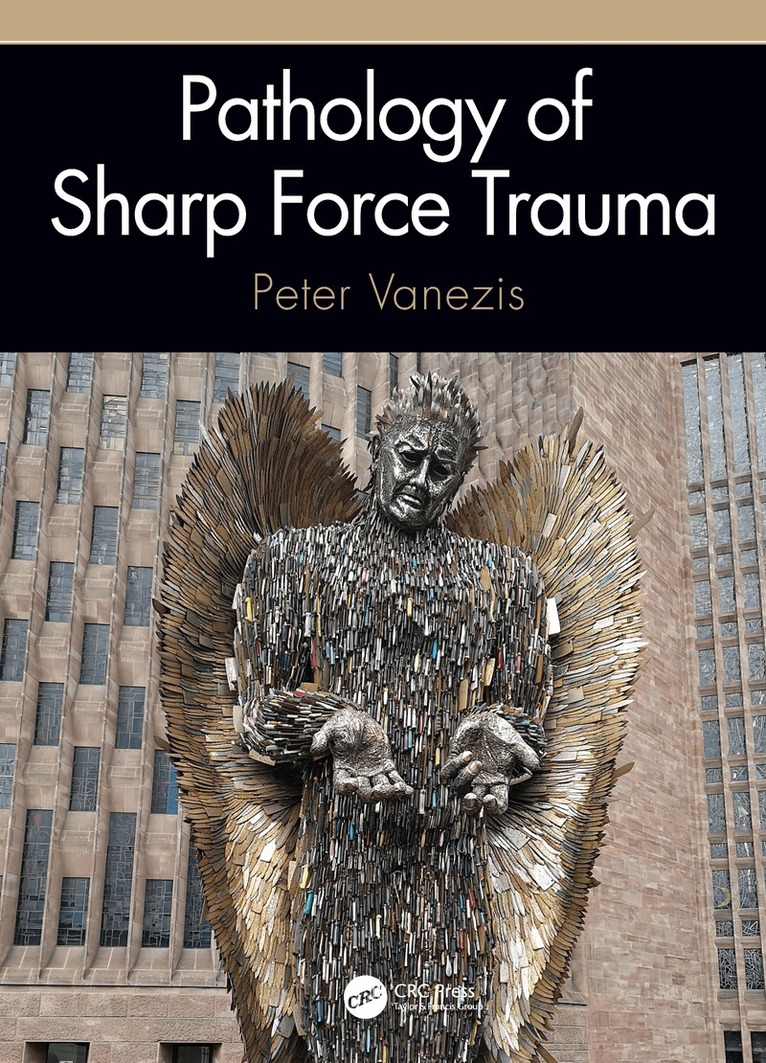
Pathology of Sharp Force Trauma illustrates and details sharp force trauma as seen in forensic pathology case work as well as in the clinical setting, outlining how one informs the other in interpreting such trauma for medico-legal purposes. For the purposes of discussion, the author defines sharp force trauma as: "The application of force to produce an injury which results in a clear division or separation of the skin and underlying tissues". Sharp force trauma may be caused by all manner of implements with a sharp edge and/or pointed end, whether or not they have been produced for use as a weapon, and includes knives, broken glass, scissors and many others, to name but a few. Certain tools, such as axes or machetes, combine a sharp edge with heavy weight and produce injuries with both sharp and blunt impact elements. In many countries, with the exception of those where firearms are readily available, sharp force trauma—particularly the use of knives—is the most common method of homicide and a frequent source of morbidity seen in emergency departments. Also, there has recently been an alarming upsurge in the use of knives in gang-related assaults and in terrorist incidents. As such, the book takes a comprehensive approach in explaining the different aspects of such trauma, most importantly the manner in which the victim has died. This includes cases of homicide, suicide or accident, indicating the type of weapon responsible, explaining how it was used, and presenting other such information to the investigation of such cases. Features: • Includes over 400 full-color graphic and illustrative images throughout • Addresses all aspects of the investigation including trauma, crime scene findings, post-mortem examination, characteristics of injuries and categorization into homicide, suicide or accident • Covers the biomechanics of knife trauma and tool mark examination techniques to identify implements used • Illustrates penetrating injuries caused by pointed implements which have linear components, such as arrows, nails, spears, stakes and others • Details cutting, penetrating, and other sharp force injuries resulting from medical intervention in a healthcare environment, such as might occur during surgical procedures • Examines sharp injuries caused by domesticated and wild animals • Written by one of the premier forensic pathologists in the world with over 40 years of first-hand case experience Pathology of Sharp Force Trauma is the first substantive book published in English to look exclusively at this subject. Although primarily intended for pathologists and clinicians who are involved in the examination of such injuries in the post-mortem room or in a hospital environment, it will also be of interest to medical examiners, police and criminal investigators, attorneys and legal professionals, personnel in other forensic disciplines, and all doctors and medical students with an interested in trauma and its management.
951 kr
Skickas inom 7-10 vardagar
Provides an invaluable distillation of key topics in forensic medicine for undergraduate, masters, and postgraduate studentsEssential Forensic Medicine covers the broad area of the forensic medical sciences, delivering core knowledge in the biomedical sciences, and the law and ethics surrounding them. Concise, accessible chapters cover a wide range of topics from basic forensic identification and examination techniques to forensic toxicology and psychiatry.Written by internationally-recognized experts in the field, this authoritative guide offers complete chapter coverage of the legal system, courts, and witnesses; investigation of the deceased and their lawful disposal; and the duties of a registered medical practitioner and the General Medical Council. It instructs readers on the general principles of scene examination and the medico-legal autopsy including how to interpret the many kinds of injuries one can suffer—including those from blunt impact and sharp force, firearms and explosives, asphyxia and drowning. Further chapters cover sexual offences, child abuse, and using DNA in human identification, mental health, alcohol and drug abuse. A fresh, accessible, up to date textbook on forensic medicineWritten by a well-known experts with decades of experience in the fieldIncludes numerous figures and tables, and detailed lists of key informationFeatures numerous case studies to reinforce key concepts and ideas explored within the bookHelps students to prepare for examinations and enables practitioners to broaden their understanding of the disciplinePart of the “Essential Forensic Science” series, Essential Forensic Medicine is a highly useful guide for advanced undergraduate students, master’s students, and new practitioners to the field.
1 110 kr
Skickas inom 10-15 vardagar
Pathology of Neck Injury, Second Edition is a practical guide and reference to all pathological aspects of neck injury. It covers a broad spectrum of trauma to the neck region, reflecting the experiences of many distinguished pathologists and those of author, Peter Vanezis, who has more than 50 years of expertise in the field. This highly illustrated text begins by explaining the anatomy of the neck region as it relates to trauma investigation and the various techniques required for its examination. Coverage goes on to describe penetrating injuries, comprising mainly sharp force trauma and firearm injuries. Asphyxial and related deaths are subsequently discussed in a series of chapters, before the focus turns to the examination of blunt impact, non‑compressive injuries. Here special reference is made to their common occurrence in road traffic accidents. Finally, this book concludes with environmental, toxic, and iatrogenic causes of injury. Where appropriate, and especially with regard to penetrating and compressive modes of trauma, the interpretation of injuries and their differentiation into various categories such as homicide, suicide, or accident has been addressed. Pathology of Neck Injury, Second Edition is an essential guide for all those involved in the relevant specialties of pathology, surgery, and forensic medicine – particularly pathologists, both qualified and in training, but also to clinical forensic practitioners, trauma specialists, ENT surgeons, and general surgeons.
1 735 kr
Skickas inom 10-15 vardagar
Pathology of Sharp Force Trauma illustrates and details sharp force trauma as seen in forensic pathology case work as well as in the clinical setting, outlining how one informs the other in interpreting such trauma for medico-legal purposes. For the purposes of discussion, the author defines sharp force trauma as: "The application of force to produce an injury which results in a clear division or separation of the skin and underlying tissues". Sharp force trauma may be caused by all manner of implements with a sharp edge and/or pointed end, whether or not they have been produced for use as a weapon, and includes knives, broken glass, scissors and many others, to name but a few. Certain tools, such as axes or machetes, combine a sharp edge with heavy weight and produce injuries with both sharp and blunt impact elements. In many countries, with the exception of those where firearms are readily available, sharp force trauma—particularly the use of knives—is the most common method of homicide and a frequent source of morbidity seen in emergency departments. Also, there has recently been an alarming upsurge in the use of knives in gang-related assaults and in terrorist incidents. As such, the book takes a comprehensive approach in explaining the different aspects of such trauma, most importantly the manner in which the victim has died. This includes cases of homicide, suicide or accident, indicating the type of weapon responsible, explaining how it was used, and presenting other such information to the investigation of such cases. Features: • Includes over 400 full-color graphic and illustrative images throughout • Addresses all aspects of the investigation including trauma, crime scene findings, post-mortem examination, characteristics of injuries and categorization into homicide, suicide or accident • Covers the biomechanics of knife trauma and tool mark examination techniques to identify implements used • Illustrates penetrating injuries caused by pointed implements which have linear components, such as arrows, nails, spears, stakes and others • Details cutting, penetrating, and other sharp force injuries resulting from medical intervention in a healthcare environment, such as might occur during surgical procedures • Examines sharp injuries caused by domesticated and wild animals • Written by one of the premier forensic pathologists in the world with over 40 years of first-hand case experience Pathology of Sharp Force Trauma is the first substantive book published in English to look exclusively at this subject. Although primarily intended for pathologists and clinicians who are involved in the examination of such injuries in the post-mortem room or in a hospital environment, it will also be of interest to medical examiners, police and criminal investigators, attorneys and legal professionals, personnel in other forensic disciplines, and all doctors and medical students with an interested in trauma and its management.