Peter X. Ma - Böcker
Visar alla böcker från författaren Peter X. Ma. Handla med fri frakt och snabb leverans.
2 produkter
2 produkter
1 961 kr
Skickas inom 7-10 vardagar
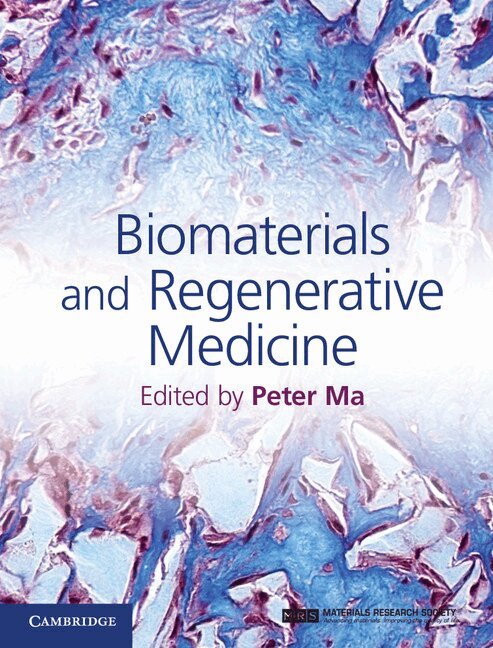
Written by world-leading experts, this book focusses on the role of biomaterials in stem cell research and regenerative medicine. Emphasising basic principles and methodology, it covers stem cell interactions, fabrication technologies, design principles, physical characterisation and biological evaluation, across a broad variety of systems and biomaterials. Topics include: stem cell biology, including embryonic stem cells, IPS, HSC and progenitor cells; modern scaffold structures, including biopolymer, bioceramic, micro- and nanofiber, ECM and biohydrogel; advanced fabrication technologies, including computer-aided tissue engineering and organ printing; cutting-edge drug delivery systems and gene therapy techniques; and medical applications spanning hard and soft tissues, the cardiovascular system and organ regeneration. With a contribution by Nobel laureate Shinya Yamanaka, this is a must-have reference for anyone in the field of biomaterials, stem cell biology and engineering, tissue engineering and regenerative medicine.
2 794 kr
Tillfälligt slut
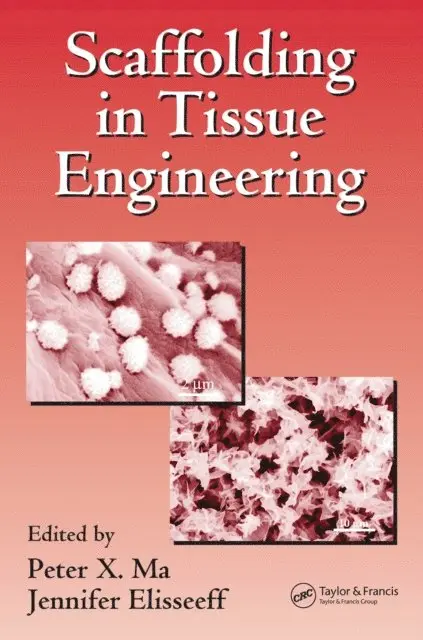
The growing interest in scaffolding design and increasing research programs dedicated to regenerative medicine corroborate the need for Scaffolding in Tissue Engineering. While certain books and journal articles address various aspects in the field, this is the first current, comprehensive text focusing on scaffolding for tissue engineering.Scaffolding in Tissue Engineering reviews the general principles of tissue engineering and concentrates on the principles, methods, and applications for a broad range of tissue engineering scaffolds. The first section presents an in-depth exploration of traditional and novel materials, including alginates, polysaccharides, and fibrillar fibrin gels. The following section covers fabrication technologies, discussing three-dimensional scaffold design, laboratory-scale manufacture of a cell carrier, phase separation, self-assembly, gas foaming, solid freeform fabrication, injectable systems, and immunoisolation techniques. Subsequent chapters examine structural and functional scaffold modification, composite scaffolds, bioactive hydrogels, gene delivery, growth factors, and degradation of biodegradable polymers. The final section explores various tissue engineering applications, comprising chapters on blood cell substitutes, and tissue engineering of nerves, the tendons, ligaments, cornea, cartilage and myocardium, meniscal tissue.While providing a comprehensive summary of current knowledge and technologies, Scaffolding in Tissue Engineering gives readers insight into new trends and directions for scaffold development and for an ever-expanding range of tissue engineering applications.