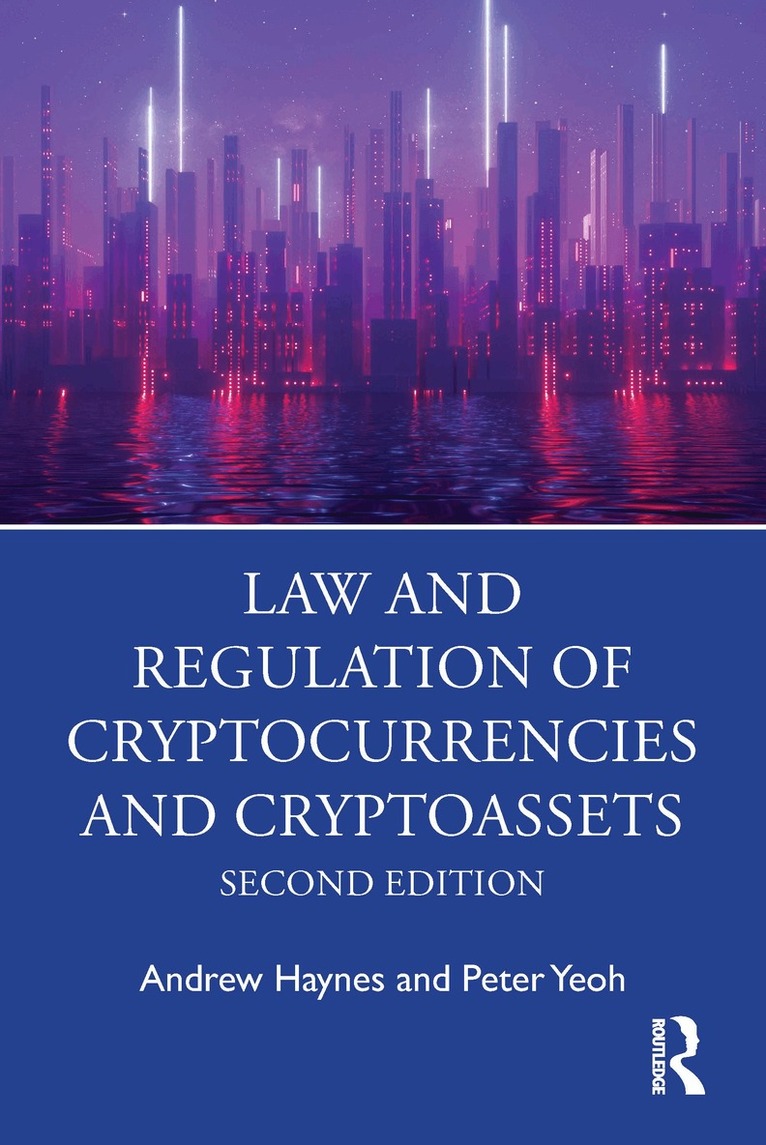
Peter Yeoh – författare
783 kr
Skickas inom 10-15 vardagar
2 680 kr
Skickas inom 10-15 vardagar
941 kr
Läs direkt efter köp
941 kr
Läs direkt efter köp
977 kr
Skickas inom 5-8 vardagar
827 kr
Läs direkt efter köp
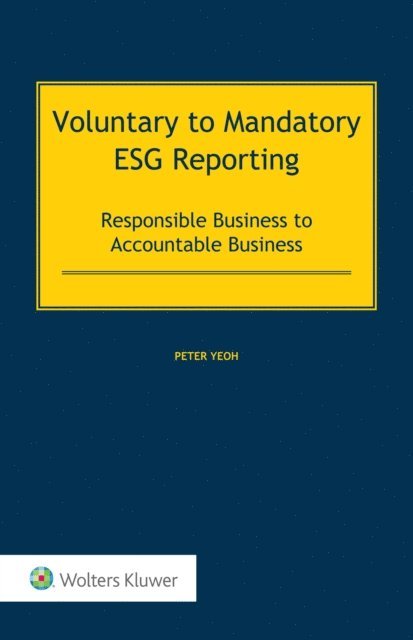
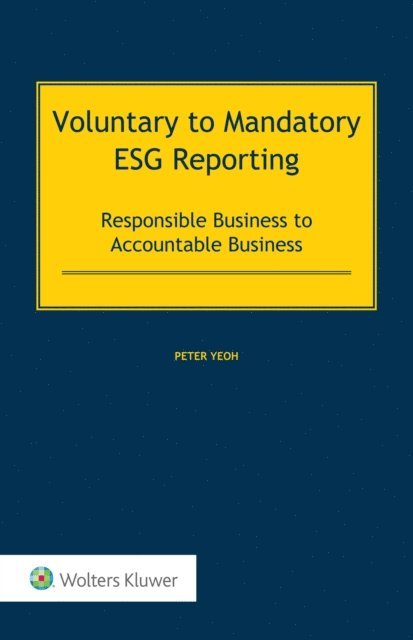
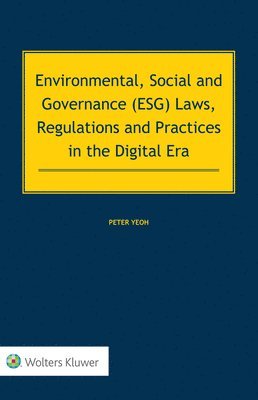
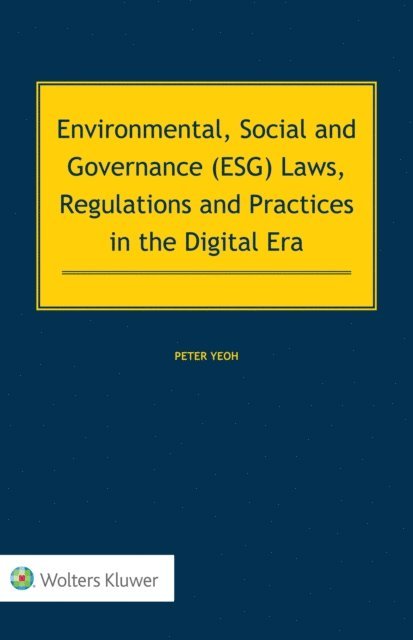
Focusing on the impacts of environmental, social, and governance (ESG) matters, companies, financial institutions, and regulators are continually seeking sustainability-driven models and standards on ESG themes in the sourcing, design, and provision of products and services. This welcome and thoroughly researched book, by a well-known authority in corporate and financial services law, engages with developments in ESG soft and hard law as business responsibility shades into business accountability.
The author offers a sweeping, in-depth consideration of the current and future role of ESG reporting and compliance, encompassing such issues and topics as the following:
purpose and forms of regulation for non-financial reporting;
mandatory ESG reporting implementation issues;
role of the company board;
recognition of threats posed by ‘greenwashing’ and similar tactics;
clean energy versus sustainable supply chains;
limits and weaknesses of ESG reporting;
help from AI and other software solutions; and
progress in the global quest for a universal ESG reporting standard.
Although some companies retain their social and political licences to operate and thwart ESG, robust data and persuasive contentions worldwide show that deliberations on how best to promote global sustainability in the long term have become standard business practice. Accordingly, this book clearly demonstrates how including ESG in business decisions ultimately contributes to stable and predictable markets. Its insights and guidance will be greatly appreciated by all those needing to engage with ESG reporting, whether lawyers, investors, regulators, business stakeholders, or academics.
827 kr
Läs direkt efter köp
Focusing on the impacts of environmental, social, and governance (ESG) matters, companies, financial institutions, and regulators are continually seeking sustainability-driven models and standards on ESG themes in the sourcing, design, and provision of products and services. This welcome and thoroughly researched book, by a well-known authority in corporate and financial services law, engages with developments in ESG soft and hard law as business responsibility shades into business accountability.
The author offers a sweeping, in-depth consideration of the current and future role of ESG reporting and compliance, encompassing such issues and topics as the following:
purpose and forms of regulation for non-financial reporting;
mandatory ESG reporting implementation issues;
role of the company board;
recognition of threats posed by ‘greenwashing’ and similar tactics;
clean energy versus sustainable supply chains;
limits and weaknesses of ESG reporting;
help from AI and other software solutions; and
progress in the global quest for a universal ESG reporting standard.
Although some companies retain their social and political licences to operate and thwart ESG, robust data and persuasive contentions worldwide show that deliberations on how best to promote global sustainability in the long term have become standard business practice. Accordingly, this book clearly demonstrates how including ESG in business decisions ultimately contributes to stable and predictable markets. Its insights and guidance will be greatly appreciated by all those needing to engage with ESG reporting, whether lawyers, investors, regulators, business stakeholders, or academics.
977 kr
Skickas inom 5-8 vardagar
827 kr
Läs direkt efter köp
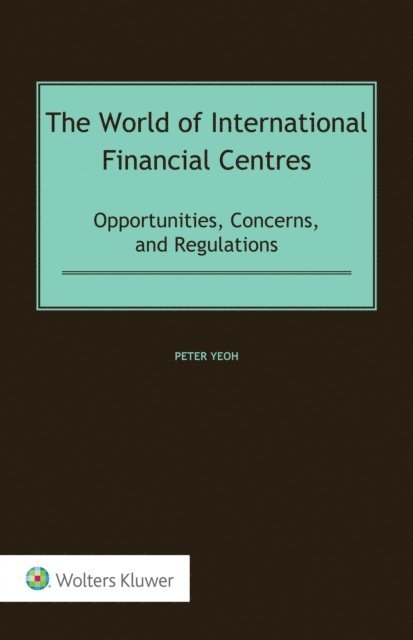
Evidence continues to accumulate indicating that tax havens (as they are familiarly called) account for a staggering multi-trillion-dollar loss of tax revenues worldwide. Yet, as this crucially important book shows, such offshore financial centres (OFCs) represent merely the ‘low-hanging fruit’ of a massive malaise reaching into every corner of today’s global financial services landscape with the so-called New York-London axis at its root.
In a biting critique and analysis of the tax and regulatory environments from which OFCs operate, the author demonstrates that OFC-like features exist in almost every jurisdiction as a virtually inevitable outcome of the transformation of economies worldwide over the past three decades, as nations and economic blocs compete for foreign investments, and as nations seek expansion of markets to accelerate growth. Covered aspects of this phenomenon include the following:
the financialization process in global transactions; erosion of credibility in political establishments with regard to their ability to govern from the centre; ultralight regulatory enclaves found in parts of developed countries; public pressure demanding enhanced international cooperation and global tax reforms, now increasingly led by the US Biden administration, and increasingly likely to reach consensus among G7 economies; and momentum generated for reform of financial reporting systems by the leaked Panama and Paradise Papers, as well as the gathering impact of the COVID-19 pandemic that led to growing government involvements in national and regional economies to protect the health and economic welfares of their respective populations.With its insights into why OFCs persist despite tightening of the rules regarding tax and financial transparency, and its insistence that the blameworthiness of large-scale tax avoidance should be assessed as a global tax problem requiring coordinated and collaborative response from both developing and advanced economies, this book takes a giant step towards genuine international tax reform. It will prove of enormous value to financial institutions, multinational corporations, tax experts, and lawmakers seeking to mend a world increasingly troubled by illicit financial flows, and problems posed by large individual and corporate tax escape artists.
Disclaimer: This title is in pre-production and any names, credits or associations are subject to change. The current table of contents and subject matter is for pre-release sample purposes only.
825 kr
Läs direkt efter köp
Evidence continues to accumulate indicating that tax havens (as they are familiarly called) account for a staggering multi-trillion-dollar loss of tax revenues worldwide. Yet, as this crucially important book shows, such offshore financial centres (OFCs) represent merely the ‘low-hanging fruit’ of a massive malaise reaching into every corner of today’s global financial services landscape with the so-called New York-London axis at its root.
In a biting critique and analysis of the tax and regulatory environments from which OFCs operate, the author demonstrates that OFC-like features exist in almost every jurisdiction as a virtually inevitable outcome of the transformation of economies worldwide over the past three decades, as nations and economic blocs compete for foreign investments, and as nations seek expansion of markets to accelerate growth. Covered aspects of this phenomenon include the following:
the financialization process in global transactions; erosion of credibility in political establishments with regard to their ability to govern from the centre; ultralight regulatory enclaves found in parts of developed countries; public pressure demanding enhanced international cooperation and global tax reforms, now increasingly led by the US Biden administration, and increasingly likely to reach consensus among G7 economies; and momentum generated for reform of financial reporting systems by the leaked Panama and Paradise Papers, as well as the gathering impact of the COVID-19 pandemic that led to growing government involvements in national and regional economies to protect the health and economic welfares of their respective populations.With its insights into why OFCs persist despite tightening of the rules regarding tax and financial transparency, and its insistence that the blameworthiness of large-scale tax avoidance should be assessed as a global tax problem requiring coordinated and collaborative response from both developing and advanced economies, this book takes a giant step towards genuine international tax reform. It will prove of enormous value to financial institutions, multinational corporations, tax experts, and lawmakers seeking to mend a world increasingly troubled by illicit financial flows, and problems posed by large individual and corporate tax escape artists.
Disclaimer: This title is in pre-production and any names, credits or associations are subject to change. The current table of contents and subject matter is for pre-release sample purposes only.
1 766 kr
Skickas inom 5-8 vardagar
1 495 kr
Läs direkt efter köp
In the past two decades, the traditional role of corporate governance has been greatly augmented and transformed by increased attention to the importance of social inclusion in business decisions and of environmental impacts of business activities, giving rise to the now well-understood linkage among environmental, social, and governance (ESG) principles. This book is the first to thoroughly analyze the ESG phenomenon as a tripartite corporate purpose model and the profusion of laws and regulations it continues to engender.
Drawing on perspectives from law, economics, and business management, the book focuses on those ESG challenges that are most likely to impact companies in the coming years. The author discusses such aspects of ESG law, regulation, and practice as the following:
impact of digitalization on ESG practices;
competing ESG perspectives and whether there are signs of convergence toward a more universal model;
impact of corporate ownership patterns;
review of hard and soft law responses;
corporate control under COVID-19 pandemic conditions;
workplace and workforce transformations;
various ESG-related corporate scandals and controversies;
ESG regulatory responses from international entities such as the Organisation for Economic Co-operation and Development (OECD) and International Organization of Securities Commissions (IOSCO); and
seminal ESG cases in various business sectors.
The emphasis throughout is on developments in the European Union, the United States, and the United Kingdom, both because it is in those jurisdictions that ESG challenges have been and are most fully dealt with and because these economies taken together are likely to continue exerting dominating influence across the world.
What this book says about ESG provides pertinent insights and guidance for those seeking a better understanding of ESG practices and underlying theories across major economies. With essential information and guidance for ESG law practitioners, policymakers, and academicians, the book gives clarity and guidance as to who should lead the charge for ESG practices in business enterprises in major jurisdictional settings. Its detailed coverage of best ESG practices will be welcomed by those conducting their business enterprises within approved regulatory perimeters.
1 499 kr
Läs direkt efter köp
In the past two decades, the traditional role of corporate governance has been greatly augmented and transformed by increased attention to the importance of social inclusion in business decisions and of environmental impacts of business activities, giving rise to the now well-understood linkage among environmental, social, and governance (ESG) principles. This book is the first to thoroughly analyze the ESG phenomenon as a tripartite corporate purpose model and the profusion of laws and regulations it continues to engender.
Drawing on perspectives from law, economics, and business management, the book focuses on those ESG challenges that are most likely to impact companies in the coming years. The author discusses such aspects of ESG law, regulation, and practice as the following:
impact of digitalization on ESG practices;
competing ESG perspectives and whether there are signs of convergence toward a more universal model;
impact of corporate ownership patterns;
review of hard and soft law responses;
corporate control under COVID-19 pandemic conditions;
workplace and workforce transformations;
various ESG-related corporate scandals and controversies;
ESG regulatory responses from international entities such as the Organisation for Economic Co-operation and Development (OECD) and International Organization of Securities Commissions (IOSCO); and
seminal ESG cases in various business sectors.
The emphasis throughout is on developments in the European Union, the United States, and the United Kingdom, both because it is in those jurisdictions that ESG challenges have been and are most fully dealt with and because these economies taken together are likely to continue exerting dominating influence across the world.
What this book says about ESG provides pertinent insights and guidance for those seeking a better understanding of ESG practices and underlying theories across major economies. With essential information and guidance for ESG law practitioners, policymakers, and academicians, the book gives clarity and guidance as to who should lead the charge for ESG practices in business enterprises in major jurisdictional settings. Its detailed coverage of best ESG practices will be welcomed by those conducting their business enterprises within approved regulatory perimeters.
730 kr
Tillfälligt slut