Petr Hlavinek - Böcker
Visar alla böcker från författaren Petr Hlavinek. Handla med fri frakt och snabb leverans.
14 produkter
14 produkter
3 149 kr
Skickas inom 10-15 vardagar
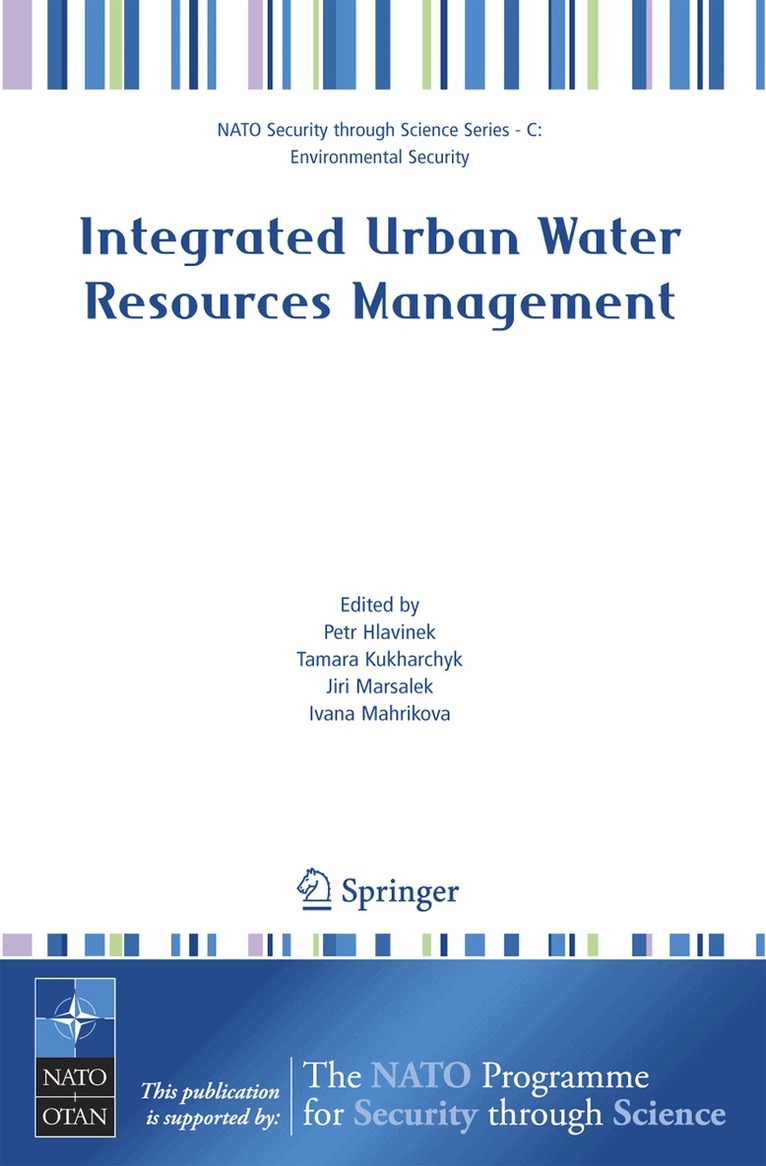
This book presents important aspects of Challenges in Management of Urban Water Resources, Challenges in Urban Water Supply, Urban Drainage and Water Bodies, Wastewater Treatment and Security, and Wastewater Treatment and Reuse.
3 149 kr
Skickas inom 10-15 vardagar
This book presents important aspects of Challenges in Management of Urban Water Resources, Challenges in Urban Water Supply, Urban Drainage and Water Bodies, Wastewater Treatment and Security, and Wastewater Treatment and Reuse.
1 064 kr
Skickas inom 10-15 vardagar
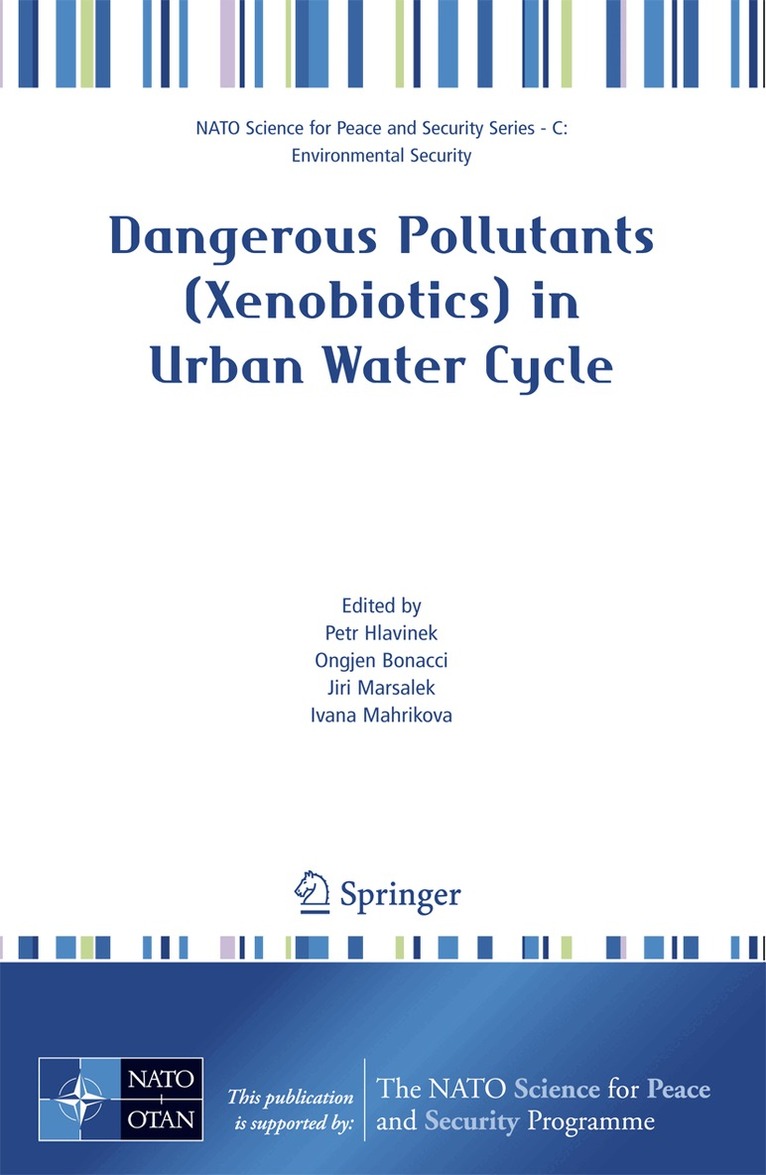
Growing population and rising standards of living exert stress on water supply and the quality of drinking water. Some of these pressures can be reduced by demand management and water and wastewater reuse. In wastewater ma- gement, new challenges are caused by new chemicals of concern, including endocrine disrupters, pharmaceuticals, hormones, and personal care products, which often pass through wastewater treatment plants unabated, but may cause serious impacts on receiving aquatic ecosystems. The topics focused on evaluation of impact of xenobiotics in the whole Urban Water Cycle are an interdisciplinary task which has a rising concern these days. Xenobiotics includes both inorganic elements like heavy metals, metalloids and man-made organic compounds such as pesticides, surfactants, solvents, fragrances, flavours, and pharmaceuticals as well as endocrine dis- pters. It has been estimated that 70,000 xenobiotics may potentially be hazardous for humans and/or ecosystems. Water supply, urban drainage and wastewater treatment systems were originally designed to solve just conventional problems such as supply of potable water, flooding prevention and sanitation. The main problem within the conventional urban water cycle approaches is absence of design to deal with xenobiotics. Nowadays can be seen increased focus on rainwater use, wastewater reclamation and reuse in industrial and as well in domestic sector what increase the exposure to xenobiotics.
1 064 kr
Skickas inom 10-15 vardagar
Growing population and rising standards of living exert stress on water supply and the quality of drinking water. Some of these pressures can be reduced by demand management and water and wastewater reuse. In wastewater ma- gement, new challenges are caused by new chemicals of concern, including endocrine disrupters, pharmaceuticals, hormones, and personal care products, which often pass through wastewater treatment plants unabated, but may cause serious impacts on receiving aquatic ecosystems. The topics focused on evaluation of impact of xenobiotics in the whole Urban Water Cycle are an interdisciplinary task which has a rising concern these days. Xenobiotics includes both inorganic elements like heavy metals, metalloids and man-made organic compounds such as pesticides, surfactants, solvents, fragrances, flavours, and pharmaceuticals as well as endocrine dis- pters. It has been estimated that 70,000 xenobiotics may potentially be hazardous for humans and/or ecosystems. Water supply, urban drainage and wastewater treatment systems were originally designed to solve just conventional problems such as supply of potable water, flooding prevention and sanitation. The main problem within the conventional urban water cycle approaches is absence of design to deal with xenobiotics. Nowadays can be seen increased focus on rainwater use, wastewater reclamation and reuse in industrial and as well in domestic sector what increase the exposure to xenobiotics.
1 578 kr
Skickas inom 10-15 vardagar
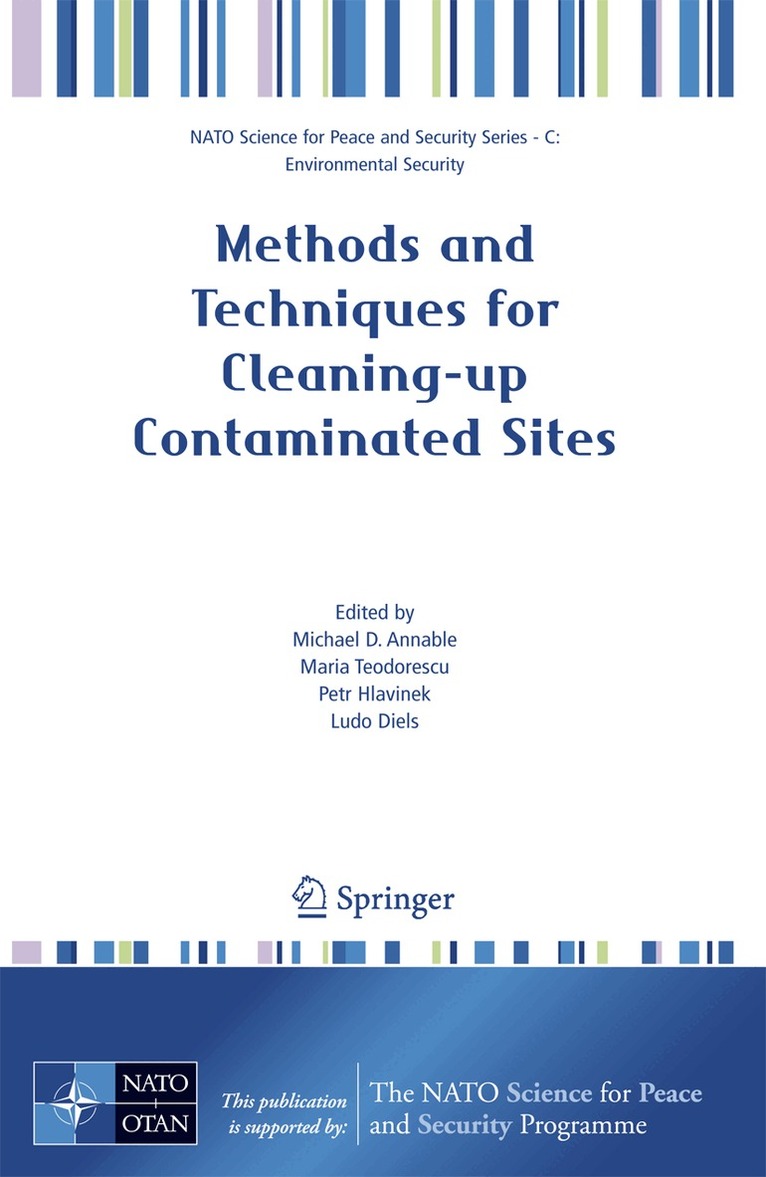
Soil and groundwater pollution caused by contaminants including petroleum hydrocarbons, represents a serious threat to the environment in NATO and NATO Partner countries. Solutions are needed that represent practical alternatives to costly remedial strategies yet still yield benefits to site managers. This publication comprises the presentations made at the NATO Advanced Research Workshop held in Sinaia, Romania 9 – 11 October, 2006. The contributions represent a wide range of issues and challenges related to contaminated site management from low cost solutions to petroleum contaminated sites to advances in biological treatment methods. This publication is meant to foster links between groups facing challenges cleaning up contaminated sites through presentations that explore the problems currently being addressed and solutions that are emerging in the field.
1 578 kr
Skickas inom 10-15 vardagar
Soil and groundwater pollution caused by contaminants including petroleum hydrocarbons, represents a serious threat to the environment in NATO and NATO Partner countries. Solutions are needed that represent practical alternatives to costly remedial strategies yet still yield benefits to site managers. This publication comprises the presentations made at the NATO Advanced Research Workshop held in Sinaia, Romania 9 – 11 October, 2006. The contributions represent a wide range of issues and challenges related to contaminated site management from low cost solutions to petroleum contaminated sites to advances in biological treatment methods. This publication is meant to foster links between groups facing challenges cleaning up contaminated sites through presentations that explore the problems currently being addressed and solutions that are emerging in the field.
1 473 kr
Skickas inom 10-15 vardagar
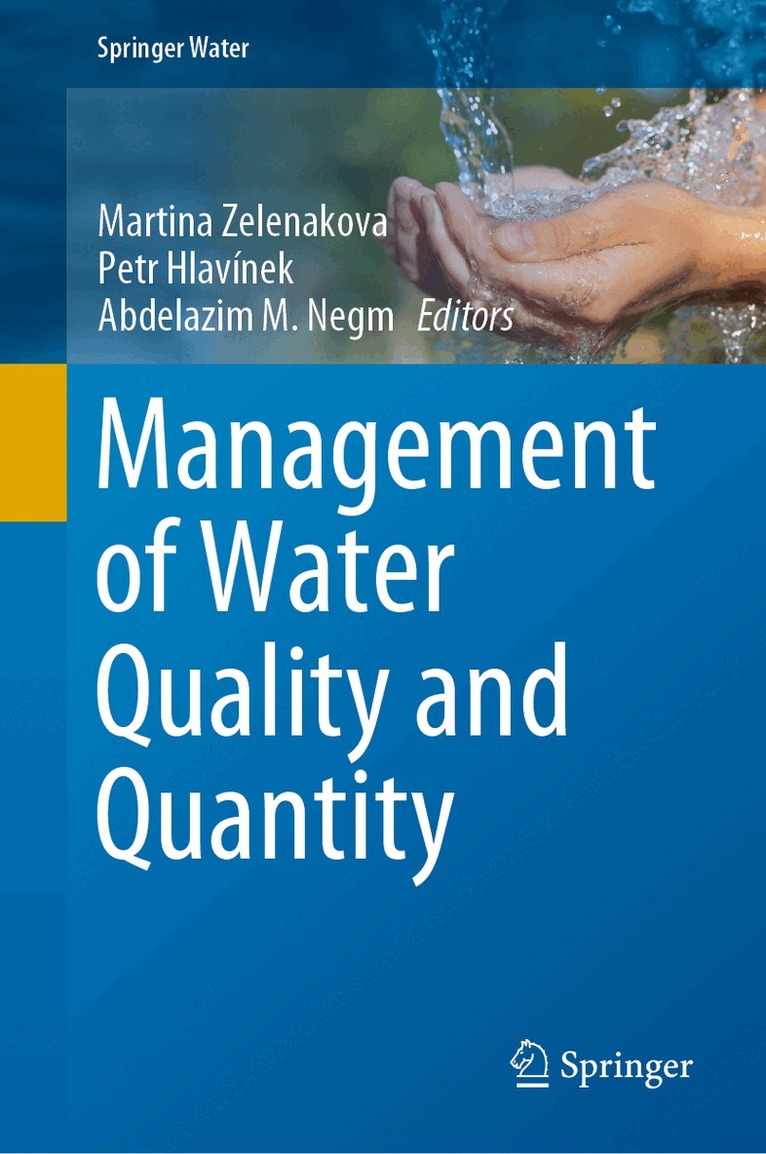
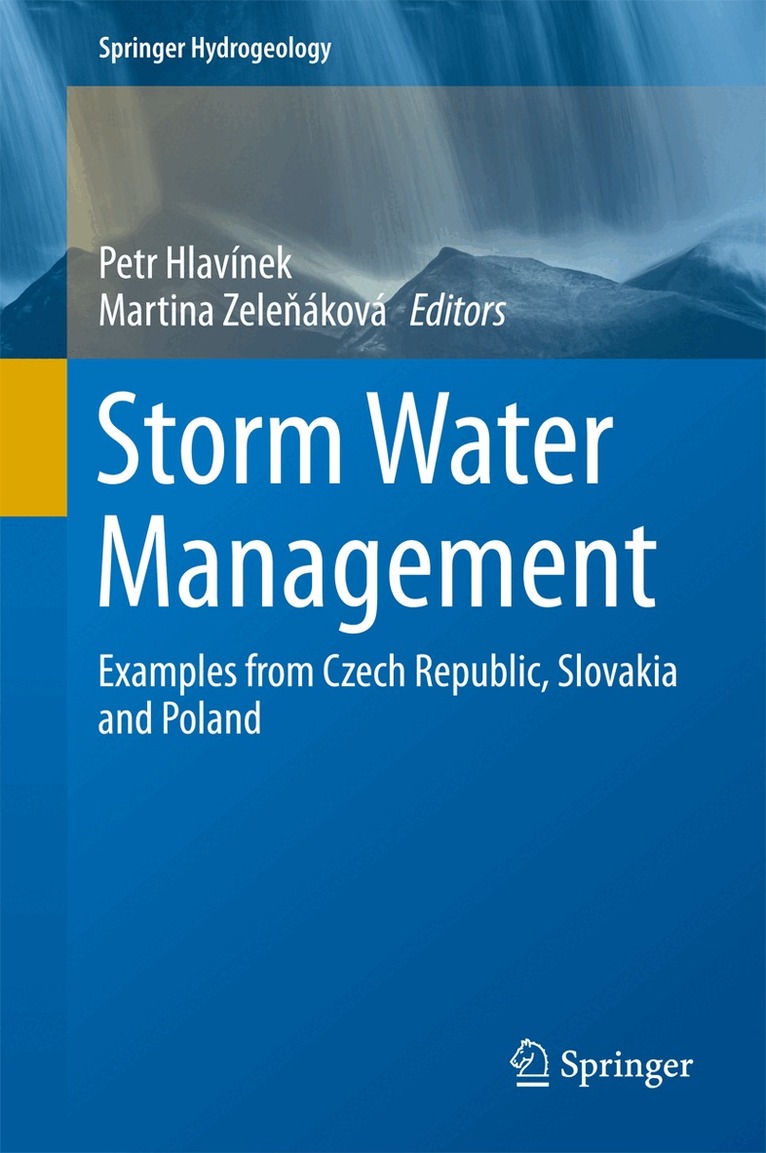
This book focuses on water pollution, water management and water structures. Presenting contributions on water quality and quantity issues from the engineering point of view, it discusses a variety of issues, from storm water management in urban areas and water quantity, to hydraulic structures, hydrodynamic modeling and flood protection. The book also provides state-of-the-art insights, which that can be used to effectively solve a variety of problems in integrated water resources management, and introduces the latest research advances. Edited and authored by pioneers in the field who have been at the forefront of water management development in the Czech Republic, this book is a valuable resource for environmental professionals, including scientists and policymakers, interested in water-related issues both in the Czech Republic and elsewhere.
1 064 kr
Skickas inom 10-15 vardagar
This book focuses on water pollution, water management and water structures. Presenting contributions on water quality and quantity issues from the engineering point of view, it discusses a variety of issues, from storm water management in urban areas and water quantity, to hydraulic structures, hydrodynamic modeling and flood protection.
1 064 kr
Skickas inom 10-15 vardagar
This book reviews the current state of the art in managing infrastructure, urban regions, industrial regions and inhabited areas with respect to flooding and water damage. The author is a well-known expert in storm water management, and this book gives a broad overview of the different manageable components that play a role in storm water risks. It includes chapters on planning infrastructure and regional development, modifications in urban regions and localities with buildings and historical buildings, covering different city types and residential areas, housing and commercial zones, as well as housing development. The author then goes on to review different hydrological conditions that make areas safer, or more prone to storm water threats, and capture and store storm water. The last part of the books covers sealed infrastructure and their role in storm water hazards, including roads, public spaces, roofs, and others.
1 064 kr
Skickas inom 10-15 vardagar
This book reviews the current state of the art in managing infrastructure, urban regions, industrial regions and inhabited areas with respect to flooding and water damage.
3 149 kr
Skickas inom 10-15 vardagar
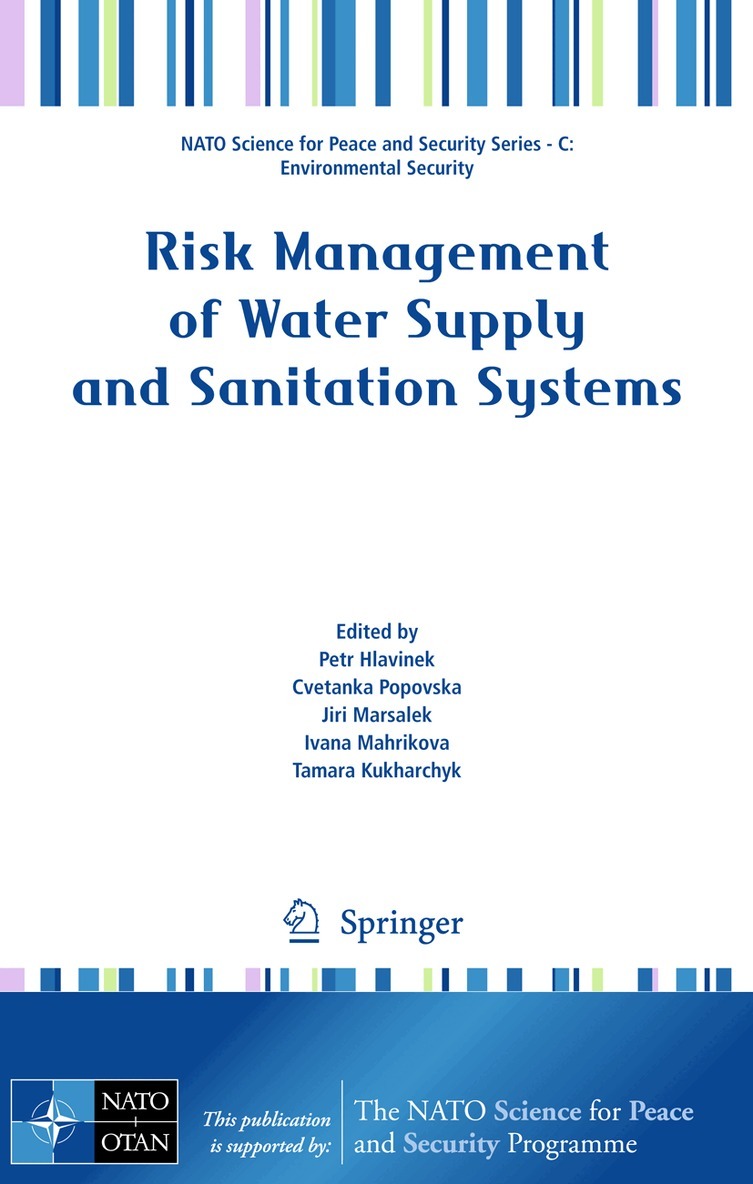
Each year more than 200 million people are affected by floods, tropical storms, droughts, earthquakes, and also operational failures, wars, terrorism, vandalism, and accidents involving hazardous materials. These are part of the wide variety of events that cause death, injury, and significant economic losses for the countries affected. In an environment where natural hazards are present, local actions are decisive in all stages of risk management: in the work of prevention and mitigation, in rehabilitation and reconstruction, and above all in emergency response and the provision of basic services to the affected population. Commitment to systematic vulnerability reduction is crucial to ensure the resilience of communities and populations to the impact of natural and manmade hazards.Current challenges for the water and sanitation sector require an increase in sustainable access to water and sanitation services in residential areas, where natural hazards pose the greatest risk. In settlements located on unstable and risk-prone land there is growing environmental degradation coupled with extreme conditions of poverty that increase vulnerability. The development of local capacity and risk management play vital roles in obtaining sustainability of water and sanitation systems as well as for the communities themselves. Unfortunately water may also represent a potential target for terrorist activity or war conflict and a deliberate contamination of water is a potential public health threat. An approach which considers the needs of communities and institutions is particularly important in urban areas affected by armed conflict. Risk management for large rehabilitation projects has to deal with major changes caused by conflict: damaged or destroyed infrastructure, increased population, corrupt or inefficient water utilities, and impoverished communities.Water supply and sanitation are amongst the first considerations in disaster response. The greatest water-borne risk to health in most emergencies is the transmission of faecal pathogens, due to inadequate sanitation, hygiene and protection of water sources. However, some disasters, including those involving damage to chemical and nuclear industrial installations, or involving volcanic activity, may create acute problems from chemical or radiological water pollution. Sanitation includes safe excreta disposal, drainage of wastewater and rainwater, solid waste disposal and vector control.This book is based on the discussions and papers prepared for the NATO Advanced Research Workshop that took place in Ohrid, Macedonia under the auspices of the NATO Security Through Science Programme and addressed problems Risk management of water supply and sanitation systems impaired by operational failures, natural disasters and war conflicts.The main purpose of the workshop was to critically assess the existing knowledge on Risk management of water supply and sanitation systems, with respect to diverse conditions in participating countries, and promote close co-operation among scientists with different professional experience from different countries.The ARW technical program comprised papers on 4 topics, : (a) Vulnerability of Wastewater and Sanitation Systems, (b) Vulnerability of Drinking Water Systems, (c) Emergency response plans, and (d) Case studies from regions affected by Drinking Water System, Wastewater and Sanitation System failures.
3 149 kr
Skickas inom 10-15 vardagar
Each year more than 200 million people are affected by floods, tropical storms, droughts, earthquakes, and also operational failures, wars, terrorism, vandalism, and accidents involving hazardous materials. These are part of the wide variety of events that cause death, injury, and significant economic losses for the countries affected. In an environment where natural hazards are present, local actions are decisive in all stages of risk management: in the work of prevention and mitigation, in rehabilitation and reconstruction, and above all in emergency response and the provision of basic services to the affected population. Commitment to systematic vulnerability reduction is crucial to ensure the resilience of communities and populations to the impact of natural and manmade hazards.Current challenges for the water and sanitation sector require an increase in sustainable access to water and sanitation services in residential areas, where natural hazards pose the greatest risk. In settlements located on unstable and risk-prone land there is growing environmental degradation coupled with extreme conditions of poverty that increase vulnerability. The development of local capacity and risk management play vital roles in obtaining sustainability of water and sanitation systems as well as for the communities themselves. Unfortunately water may also represent a potential target for terrorist activity or war conflict and a deliberate contamination of water is a potential public health threat. An approach which considers the needs of communities and institutions is particularly important in urban areas affected by armed conflict. Risk management for large rehabilitation projects has to deal with major changes caused by conflict: damaged or destroyed infrastructure, increased population, corrupt or inefficient water utilities, and impoverished communities.Water supply and sanitation are amongst the first considerations in disaster response. The greatest water-borne risk to health in most emergencies is the transmission of faecal pathogens, due to inadequate sanitation, hygiene and protection of water sources. However, some disasters, including those involving damage to chemical and nuclear industrial installations, or involving volcanic activity, may create acute problems from chemical or radiological water pollution. Sanitation includes safe excreta disposal, drainage of wastewater and rainwater, solid waste disposal and vector control.This book is based on the discussions and papers prepared for the NATO Advanced Research Workshop that took place in Ohrid, Macedonia under the auspices of the NATO Security Through Science Programme and addressed problems Risk management of water supply and sanitation systems impaired by operational failures, natural disasters and war conflicts.The main purpose of the workshop was to critically assess the existing knowledge on Risk management of water supply and sanitation systems, with respect to diverse conditions in participating countries, and promote close co-operation among scientists with different professional experience from different countries.The ARW technical program comprised papers on 4 topics, : (a) Vulnerability of Wastewater and Sanitation Systems, (b) Vulnerability of Drinking Water Systems, (c) Emergency response plans, and (d) Case studies from regions affected by Drinking Water System, Wastewater and Sanitation System failures.
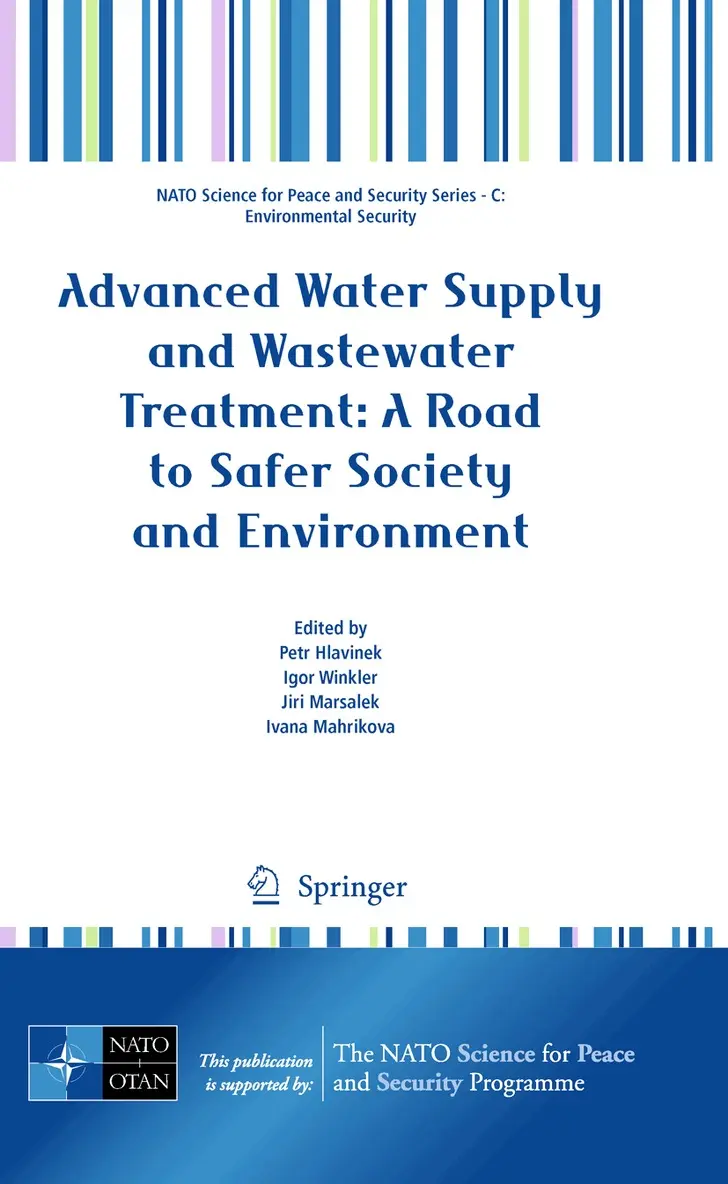
Advanced Water Supply and Wastewater Treatment: A Road to Safer Society and Environment
Inbunden, Engelska, 2011
1 578 kr
Skickas inom 10-15 vardagar
Stable, safe, secure and readily available water supply is one of the key factors in ensuring a good level of the public health and a stable society. Scientific assessments show that about 80 % of diseases and one-third of the total death toll in the developing countries are caused by the low quality of the drinking water. Other countries are also suffering from water shortages and insufficient quality of the drinking water. Many rivers in Europe and in other parts of the world are significantly polluted by insufficiently treated or untreated wastewater discharge. This book is based on the discussions and papers prepared for the NATO Advanced Research Workshop that took place in Lviv, Ukraine, and addressed recent advances in water supply and wastewater treatment as a prerequisite for a safer society and environment. The contributions critically assess the existing knowledge on urban water management and provide an overview of the current water management issues, especially in the countries in transition in Central and Eastern Europe and in the Mediterranean Dialogue countries.
Advanced Water Supply and Wastewater Treatment: A Road to Safer Society and Environment
Häftad, Engelska, 2011
1 578 kr
Skickas inom 10-15 vardagar
Stable, safe, secure and readily available water supply is one of the key factors in ensuring a good level of the public health and a stable society. Scientific assessments show that about 80 % of diseases and one-third of the total death toll in the developing countries are caused by the low quality of the drinking water. Other countries are also suffering from water shortages and insufficient quality of the drinking water. Many rivers in Europe and in other parts of the world are significantly polluted by insufficiently treated or untreated wastewater discharge. This book is based on the discussions and papers prepared for the NATO Advanced Research Workshop that took place in Lviv, Ukraine, and addressed recent advances in water supply and wastewater treatment as a prerequisite for a safer society and environment. The contributions critically assess the existing knowledge on urban water management and provide an overview of the current water management issues, especially in the countries in transition in Central and Eastern Europe and in the Mediterranean Dialogue countries.