Petts - Böcker
Visar alla böcker från författaren Petts. Handla med fri frakt och snabb leverans.
2 produkter
2 produkter
3 180 kr
Skickas inom 7-10 vardagar
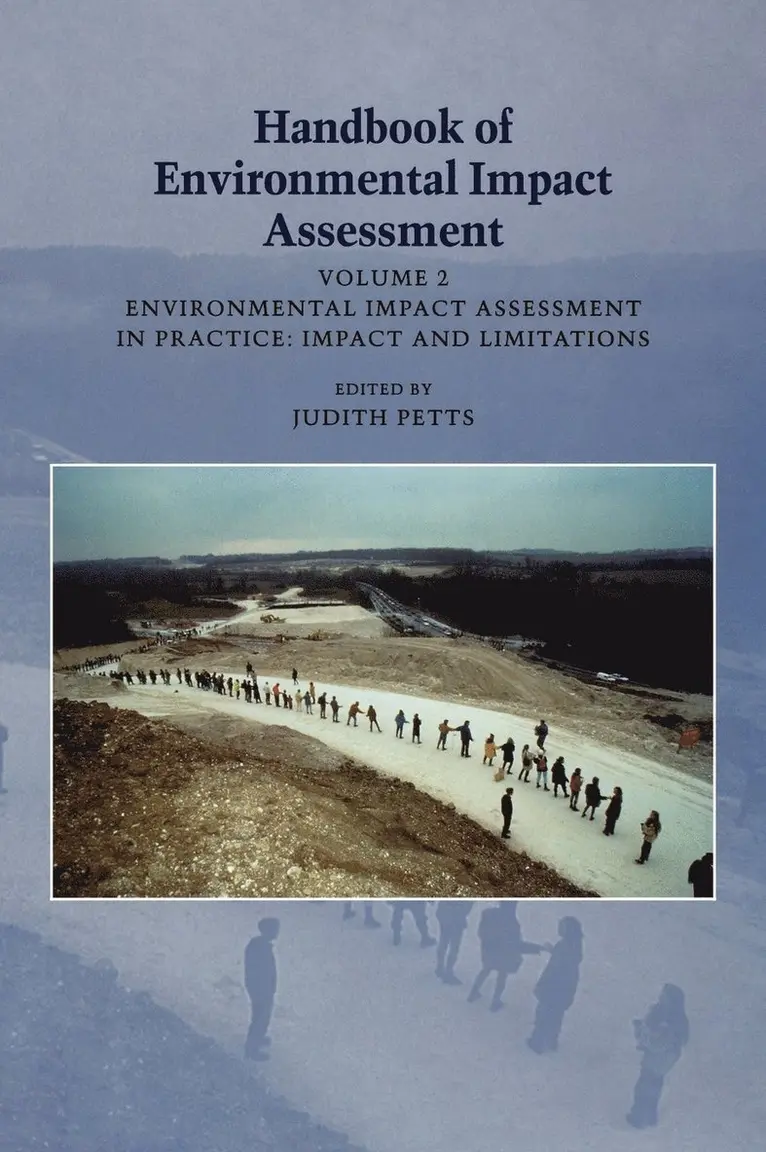
Environmental Impact Assessment (EIA) is a significant, anticipatory, environmental management tool. International debate focuses on its enhancement to meet the challenges of sustainable development as well as demands for scientifically robust integrated and participative decision-making. This handbook hopes to improve practices by contributing an international, multidisciplinary, ready-reference source to this debate. Volume I addresses EIA principles, process and methods. Part 1 maps the EIA process and its impact on decision. It positions EIA in the context of sustainable development and relative to other decision tools, including economic valuation. It also positions strategic environmental assessment (SEA) in a similar way. Part 2 addresses the elements of the EIA process and significant impact assessment topics (air, water, ecological, social, risk, landscape and visual) not only in terms of good practice but also methodological evolution. This volume concludes by addressing cumulative impact assessment and SEA methods.Volume II provides a unique consideration for EIA implementation and practice in Europe, Africa, the Far East, South America and North America. It uses a number of project types to provide 'how to do' guidance and addresses practice in policy and plan assessment.This book should be read by legislators, decision-makers, economists, developers, industrial managers and consultants involved in this significant field.
1 259 kr
Skickas inom 7-10 vardagar
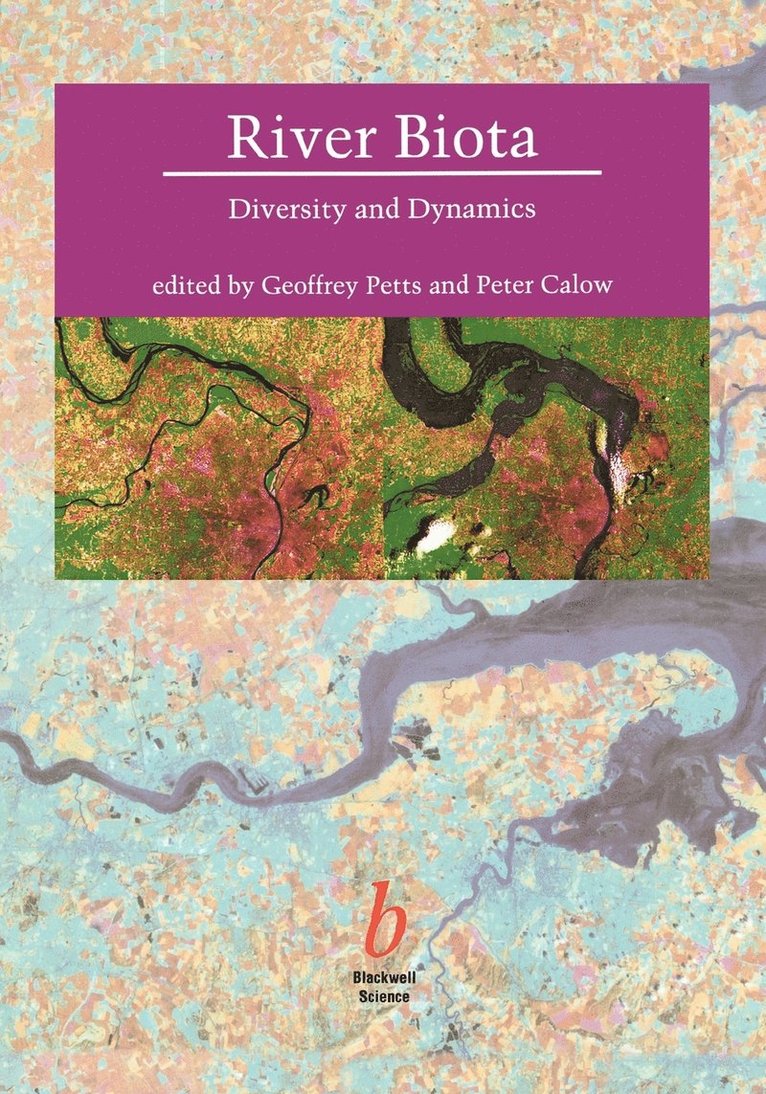
As with all ecosystems, river systems involve a complex interaction of a rich diversity of micro-organisms, plants and animals with their physical and chemical environment. The river habitat presents unique problems for organisms exposed to unidirectional currents, seasonal variation in flow, and disturbance due to pollution and other human interference. The book starts with a description of the taxa, their adaptations and their ecologies, followed by chapters describing the ecosystem processes in terms of trophic interactions and the key production processes related to photosynthesis and decomposition. A major chapter then considers the principles, practices and problems associated with making reliable observations on river organisms, leading to final chapters investigating how river biota are impacted by human activity and how, in turn, they can be used as indicators of these effects in river-management programmes.