Ph. Garrigues - Böcker
Visar alla böcker från författaren Ph. Garrigues. Handla med fri frakt och snabb leverans.
3 produkter
3 produkter
3 483 kr
Skickas inom 7-10 vardagar
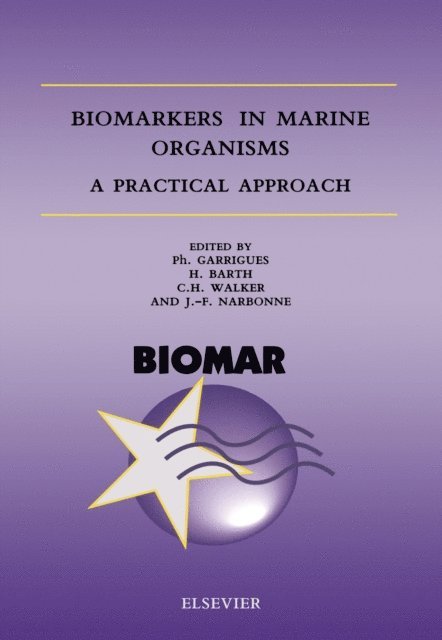
Many previous studies and books have been dedicated to fundamental and developmental aspects of biomarkers. The purpose of this book is to provide, through various case studies, an overview of the practical use of biological markers in marine animals to evaluate the health effects of environmental contamination in marine ecosystems.More precisely, the book presents the results obtained during the development and application of biological markers as indicators of exposure/effect to toxic chemicals in marine environments, using diverse sentinel species such as fish, bivalves and crustaceans. An important aspect is also the publication of technical annexes that describe in detail the experimental procedures developed for both chemical and biochemical measurement.
3 740 kr
Skickas inom 10-15 vardagar
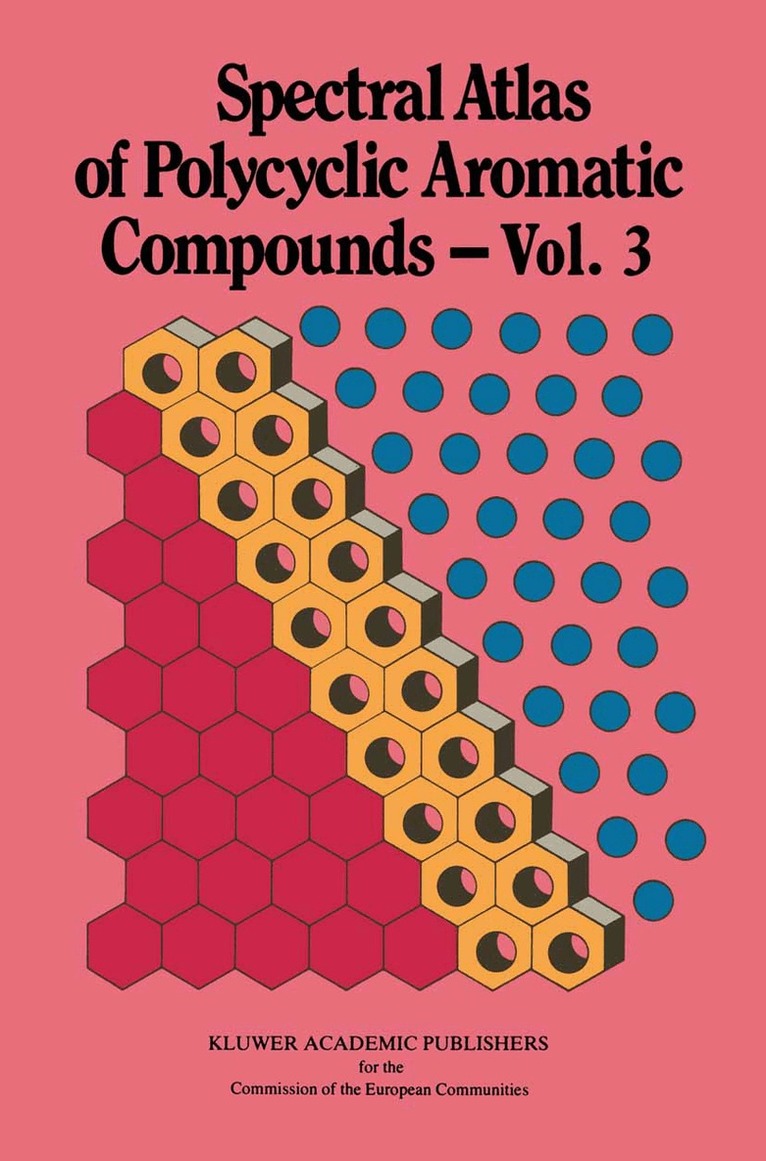
This volume is the 3rd in a series of comprehensive publications devoted to the molecular spectra and environmentally important properties of polycyclic aromatic compounds which constitute one of the most interesting classes of environmental carcinogens. Since the first identification of dibenz(a,h)anthracene and later benzo(a)pyrene as chemical carcinogens in the 1930's, the number of publications devoted to this ubiquitously occurring group of compounds has increased constantly. Therefore, this reference source for the spectral, physicochemical and en vironmentaJ properties of polycyclic aromatic compounds should be a welcome addition to the previous volumes for scientists engaged in the investigation, characterisation and control of this hazardous class of pollutants. As was the case with the preceding volume, this publication is the fruit of a close collaboration within the General Directorate for SCience, Research and Development of the Commission of the European Communities between the Environment Institute of the Joint Research Centre Ispra, the Community Bureau of Reference and expert laboratories in the member states. F. Geiss Director of the Environment Institute JRC Ispra 1. Introduction Polycyclic Aromatic Compounds (PAC) are an important class of carcinogenic environmental pollutants, which occur in air, water, soils, sediments, in food and in the work area. Because many hundreds of closely related isomers are being formed and released in the environment from combustion processes of fossil fuels and other organic materials, their environmental and health con trol presents a difficult task.
Spectral Atlas of Polycyclic Aromatic Compounds
Including Information on Aquatic Toxicity, Occurrence and Biological Activity
Häftad, Engelska, 2012
3 172 kr
Skickas inom 10-15 vardagar
This volume is the 3rd in a series of comprehensive publications devoted to the molecular spectra and environmentally important properties of polycyclic aromatic compounds which constitute one of the most interesting classes of environmental carcinogens. Since the first identification of dibenz(a,h)anthracene and later benzo(a)pyrene as chemical carcinogens in the 1930's, the number of publications devoted to this ubiquitously occurring group of compounds has increased constantly. Therefore, this reference source for the spectral, physicochemical and en vironmentaJ properties of polycyclic aromatic compounds should be a welcome addition to the previous volumes for scientists engaged in the investigation, characterisation and control of this hazardous class of pollutants. As was the case with the preceding volume, this publication is the fruit of a close collaboration within the General Directorate for SCience, Research and Development of the Commission of the European Communities between the Environment Institute of the Joint Research Centre Ispra, the Community Bureau of Reference and expert laboratories in the member states. F. Geiss Director of the Environment Institute JRC Ispra 1. Introduction Polycyclic Aromatic Compounds (PAC) are an important class of carcinogenic environmental pollutants, which occur in air, water, soils, sediments, in food and in the work area. Because many hundreds of closely related isomers are being formed and released in the environment from combustion processes of fossil fuels and other organic materials, their environmental and health con trol presents a difficult task.