P.H. Nienhuis - Böcker
Visar alla böcker från författaren P.H. Nienhuis. Handla med fri frakt och snabb leverans.
8 produkter
8 produkter
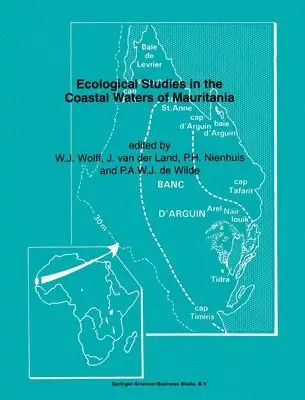
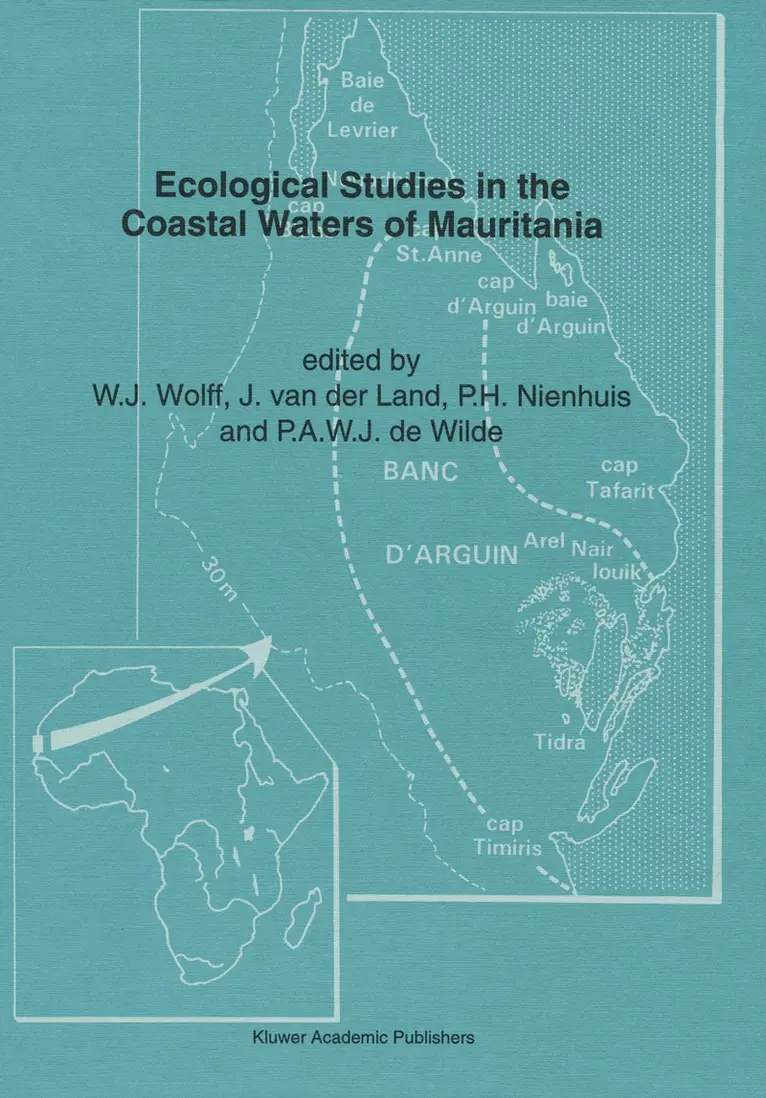
Ecological Studies in the Coastal Waters of Mauritania
Proceedings of a Symposium Held at Leiden, the Netherlands, March 25-27, 1991
Inbunden, Engelska, 1993
852 kr
Skickas inom 10-15 vardagar
This volume on the ecology of Mauritanian coastal waters and in particular the Banc d'Arguin, explores the functioning of this remarkable coastal wetland. Major questions concern the interaction between the Banc d'Arguin ecosystem on the one hand, and the adjoining systems of the open ocean with its intensive upwelling phenomena and the Sahara desert on the other.
852 kr
Skickas inom 10-15 vardagar
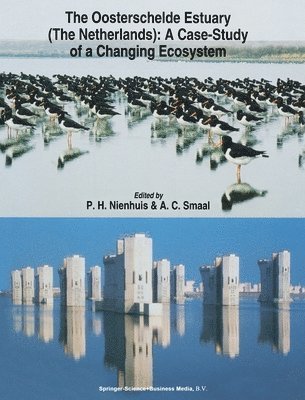
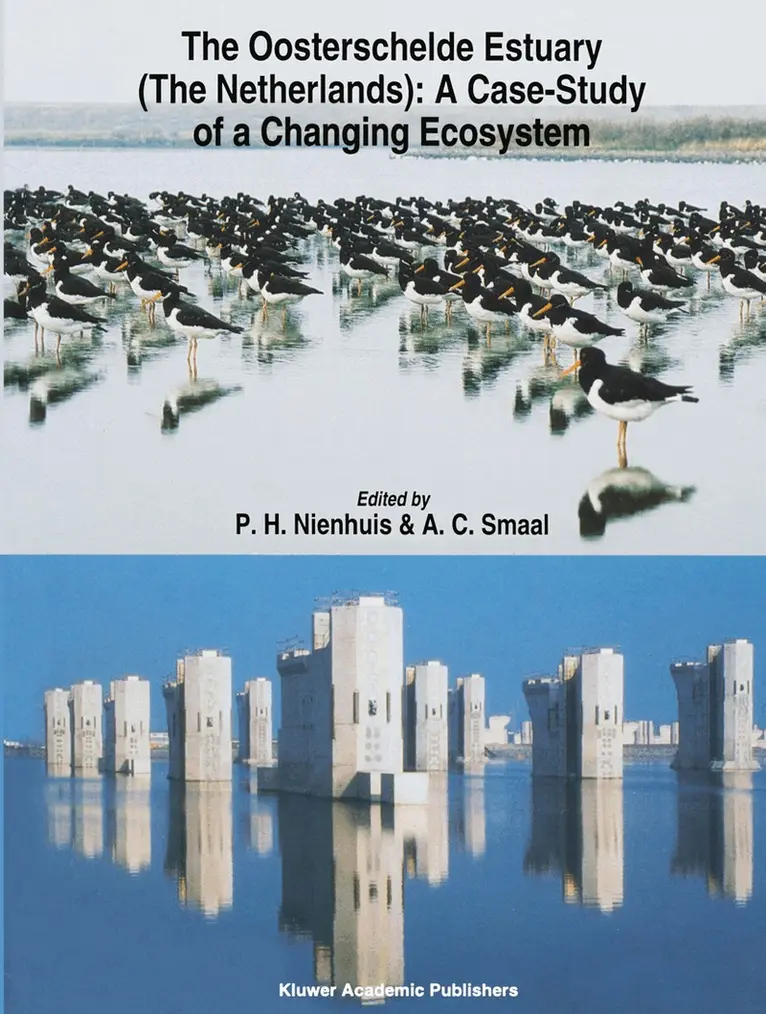
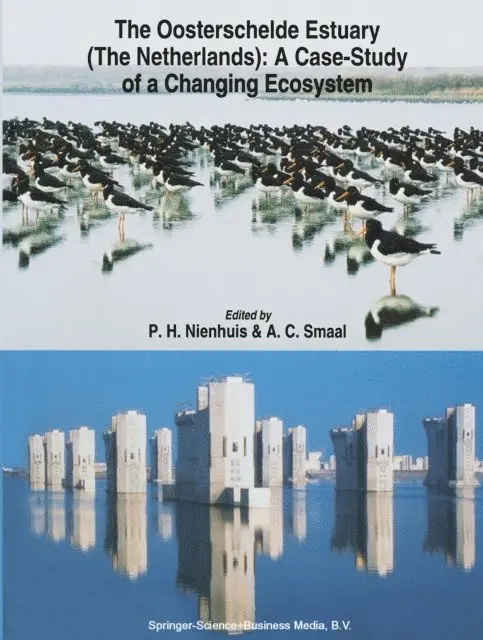
The Oosterschelde Estuary is one of the estuaries in the Netherlands which remained after the Delta scheme was completed in 1986. In the Seventies, the Oosterschelde became a national symbol of the change in political thinking and decision-making about the values of our natural environment. As a result of political decision, a storm-surge barrier was built in the mouth of the estuary, as a compromise between safety for the human population and nature conservation. Owing to the broad interest in the meaning of the Oosterschelde Estuary for Dutch and international societies, it became one of the most intensively studied coastal ecosystems in Western Europe. In an interdisciplinary approach of several state agencies and universities, a broad spectrum of physical, chemical and biological research was carried out during the period 1980-1989, dedicated to the structure and functioning of the saline ecosystem. The undisturbed estuary was studied during the period between 1980-1984. Large mathematical models had been constructed before 1986, to simulate future changes in the ecosystem.Further studies after the completion of the storm-surge barrier (1986-1989) have been used for verification of the model. The integrated and summarized knowledge of the Oosterschelde ecosystem is used by water managers and nature and fisheries conservationists. This text is a case study for professional civil engineers, ecologists, marine biologists, water managers, decision makers, university students and anyone interested in physical, chemical and biological estuarine and coastal sciences.
Ecological Restoration of Aquatic and Semi-Aquatic Ecosystems in the Netherlands (NW Europe)
Inbunden, Engelska, 2002
1 578 kr
Skickas inom 10-15 vardagar
This work presents the state of the art of aquatic and semi-aquatic ecological restoration projects in The Netherlands. Starting from the conceptual basis of restoration ecology, the successes and failures of hundreds of restoration projects are described. Numerous successful projects are mentioned. In general ecological restoration endeavours greatly benefit from the progressive experience achieved in the course of the years. Failures mainly occur through insufficient application of physical, chemical or ecological principles. Spontaneous colonization by plants and animals, following habitat reconstruction, is preferred. However, sometimes the re-introduction of keystone species (for example, eelgrass, salmon, beaver) is necessary in case the potential habitats are isolated or fragmented, or if a seed bank is lacking, thus not allowing viable populations to develop. Re-introducing of traditional management techniques (for example, mowing without fertilization, low intensity grazing) is important to rehabilitate the semi-natural and cultural landscapes that are so characteristic of The Netherlands.
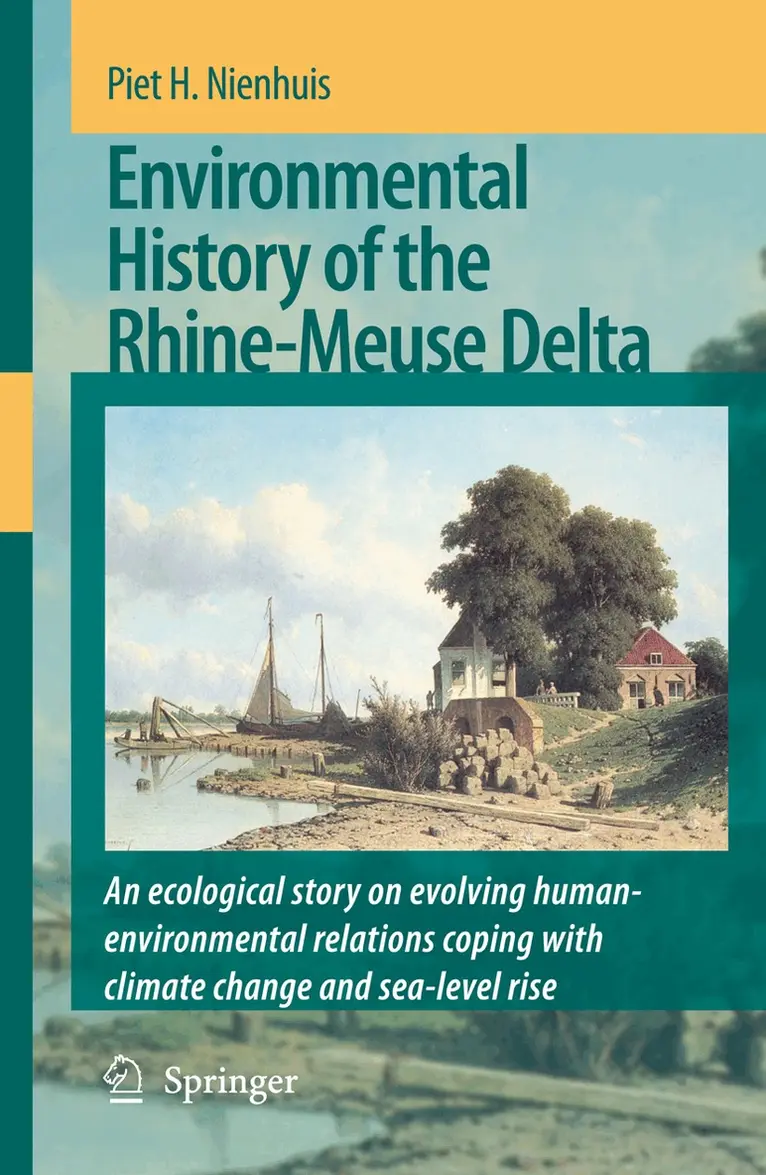
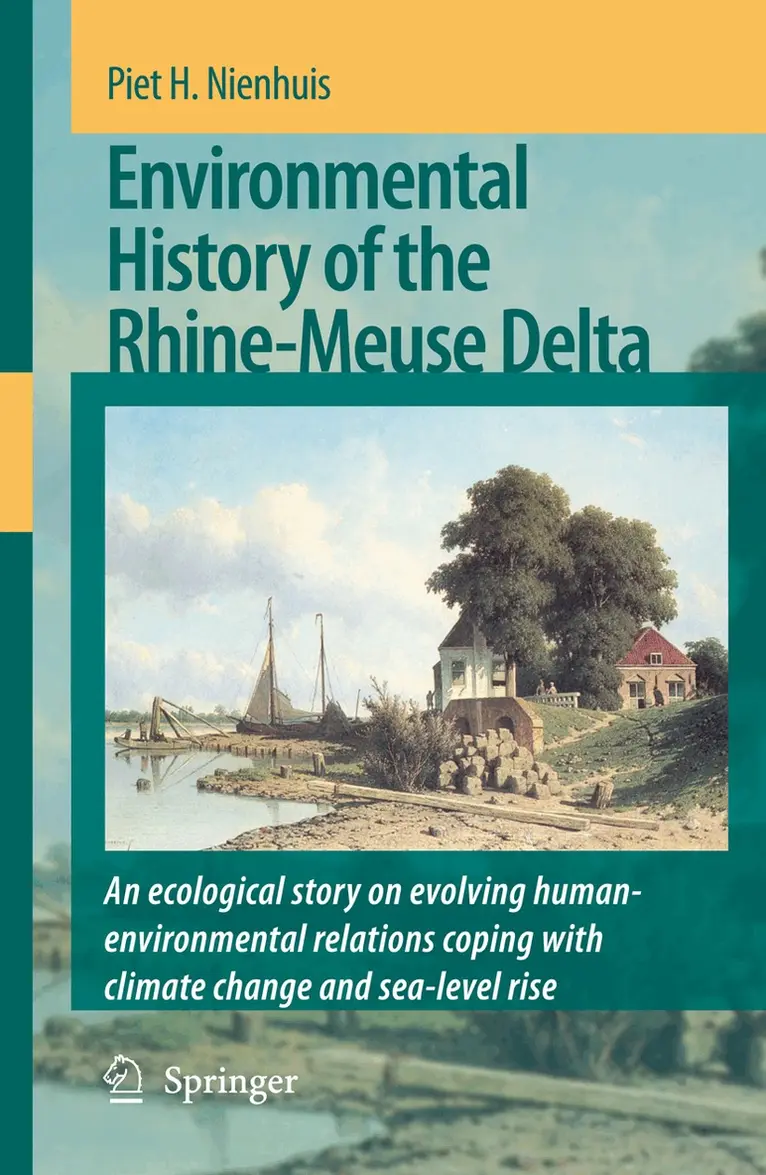
Environmental History of the Rhine-Meuse Delta
An ecological story on evolving human-environmental relations coping with climate change and sea-level rise
Inbunden, Engelska, 2008
2 101 kr
Skickas inom 10-15 vardagar
This book presents the environmental history of the Delta of the lowland rivers Rhine and Meuse, an ecological story on evolving human–environmental relations coping with climate change and sea-level rise. It offers a combination of in-depth ecology and environmental history, dealing with exploitation of land and water, the use of everything nature provided, the development of fisheries and agriculture, changes in biodiversity of higher plants, fish, birds, mammals and invasive exotics. It is the first comprehensive book written in English on the integrated environmental history of the Delta, from prehistoric times up to the present day. It covers the l- acy of human intervention, the inescapable fate of reclaimed, nevertheless subs- ing and sinking polders, ‘bathtubs’ attacked by numerous floods, reclaimed in the Middle Ages and unwittingly exposed to the rising sea level and the increasing amplitude between high and low water in the rivers. The river channels, constricted and regulated between embankments, lost their flood plains, silted up, degraded and incised. Cultivation of raised bog deposits led to oxidation and compacting of peat and clay, resulting in progressive subsidence and flooding; arable land had to be changed into grassland and wetland. For millennia muscular strength and wind and water powers moulded the country into its basic form. From 1800 onwards, acceleration and scaling up by steam power and electricity, and exponential popu- tion growth, resulted in the erection of human structures ‘fixed forever’, and severe pressure on the environment.
Ecological Restoration of Aquatic and Semi-Aquatic Ecosystems in the Netherlands (NW Europe)
Häftad, Engelska, 2011
1 593 kr
Skickas inom 10-15 vardagar
This work presents the state of the art of aquatic and semi-aquatic ecological restoration projects in The Netherlands. Starting from the conceptual basis of restoration ecology, the successes and failures of hundreds of restoration projects are described. Numerous successful projects are mentioned. In general ecological restoration endeavours greatly benefit from the progressive experience achieved in the course of the years. Failures mainly occur through insufficient application of physical, chemical or ecological principles. Spontaneous colonization by plants and animals, following habitat reconstruction, is preferred. However, sometimes the re-introduction of keystone species (e.g. eelgrass, salmon, beaver) is necessary in case the potential habitats are isolated or fragmented, or if a seed bank is lacking, thus not allowing viable populations to develop. Re-introducing traditional management techniques (e.g. mowing without fertilization, low intensity grazing) is important to rehabilitate the semi-natural and cultural landscapes that are so characteristic for The Netherlands.
Environmental History of the Rhine-Meuse Delta
An ecological story on evolving human-environmental relations coping with climate change and sea-level rise
Häftad, Engelska, 2010
2 121 kr
Skickas inom 10-15 vardagar
This book presents the environmental history of the Delta of the lowland rivers Rhine and Meuse, an ecological story on evolving human–environmental relations coping with climate change and sea-level rise. It offers a combination of in-depth ecology and environmental history, dealing with exploitation of land and water, the use of everything nature provided, the development of fisheries and agriculture, changes in biodiversity of higher plants, fish, birds, mammals and invasive exotics. It is the first comprehensive book written in English on the integrated environmental history of the Delta, from prehistoric times up to the present day. It covers the l- acy of human intervention, the inescapable fate of reclaimed, nevertheless subs- ing and sinking polders, ‘bathtubs’ attacked by numerous floods, reclaimed in the Middle Ages and unwittingly exposed to the rising sea level and the increasing amplitude between high and low water in the rivers. The river channels, constricted and regulated between embankments, lost their flood plains, silted up, degraded and incised. Cultivation of raised bog deposits led to oxidation and compacting of peat and clay, resulting in progressive subsidence and flooding; arable land had to be changed into grassland and wetland. For millennia muscular strength and wind and water powers moulded the country into its basic form. From 1800 onwards, acceleration and scaling up by steam power and electricity, and exponential popu- tion growth, resulted in the erection of human structures ‘fixed forever’, and severe pressure on the environment.
536 kr
Skickas inom 10-15 vardagar
The Oosterschelde estuary is one of the estuaries in the Netherlands which remained after the Delta scheme was completed in 1986. In the seventies the Oosterschelde became a national symbol of the change in political thinking and decision making about the values of our natural environment. As a result of political decision a storm surge barrier was built in the mouth of the estuary, as a compromise between safety for the human population and nature conservation. Owing to the broad interest in the meaning of the Oosterschelde estuary for Dutch and international societies, it became one of the most intensively studied coastal ecosystems in Western Europe. In an interdisciplinary approach of several state agencies and universities, a broad spectrum of physical, chemical and biological research has been carried out during the period of 1980--1989, dedicated to the structure and functioning of the saline ecosystem. The undisturbed estuary was studied during the period between 1980--1984. Large mathematical models had been constructed before 1986, to simulate future changes in the ecosystem. Further studies after the completion of the storm surge barrier (1986--1989) have been used for verification of the model. The integrated and summarized knowledge of the Oosterschelde ecosystem is used by water managers and nature and fisheries conservationists. A case study for professional civil engineers, ecologists, marine biologists, water managers, decision makers, university students and anyone interested in physical, chemical and biological estuarine and coastal sciences.
Ecological Studies in the Coastal Waters of Mauritania
Proceedings of a Symposium held at Leiden, The Netherlands 25–27 March 1991
Häftad, Engelska, 2012
536 kr
Skickas inom 10-15 vardagar
This volume on the ecology of Mauritanian coastal waters and in particular the Banc d'Arguin, allows us to understand the functioning of this remarkable coastal wetland. Major questions concern the interaction between the Banc d'Arguin ecosystem on the one hand and the adjoining systems of the open ocean with its intensive upwelling phenomena and the Sahara desert on the other. Is the Banc d'Arguin ecosystem relatively isolated from its surroundings and does it function as a tropical pocket in a more temperate surrounding, as suggested by Sevrin-Reyssac (1983); or does it interact with both the Sahara and the Atlantic Ocean?At the Banc d'Arguin, the area between the estuarine parts and the open ocean is extremely shallow and largely uncharted. Large research vessels cannot penetrate the shallows, whereas small vessels are often unable to negotiate the outer part of the shallow area due to rough weather conditions. Hence, separate teams report on work at the seaward side of this shallow sill and at the landward side. In addition, other teams address different questions, such as the productivity of the seagrass beds and the benthic fauna, the number of birds spending the summer at the Banc d'Arguin, and the distribution of several taxonomic groups of flora and fauna.