Phalen William J. Phalen – författare
Visar alla böcker från författaren Phalen William J. Phalen. Handla med fri frakt och snabb leverans.
4 produkter
American Evangelical Protestantism and European Immigrants, 1800-1924
E-bok, 2014
371 kr
Lägg i varukorg
Few topics are as pertinent to the American political scene as immigration. This timely book examines the attitude of American Evangelical Protestants toward European immigration into the United States before the Immigration Act of 1924. Of particular interest are the effects, as seen by …
Consequences of Cotton in Antebellum America
E-bok, 2014
294 kr
Lägg i varukorg
In 1846, political economist Karl Marx wrote that "without cotton, you have no modern industry." Indeed, before the American Civil War, cotton brought wealth, power and prosperity to both America and Europe. Giant industries in the northern U.S., extensive shipping networks up and down the Atlantic …
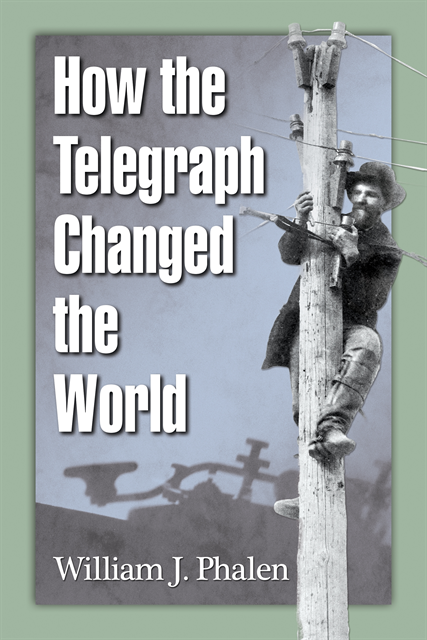
How the Telegraph Changed the World
E-bok, 2014
294 kr
Lägg i varukorg
Invented in the 1830''s, the telegraph soon became indispensable. By 1851 there were more than 50 companies providing telegraphic service in the United States alone. The telegraph played a pivotal role in warfare beginning with the American Civil War, featured prominently in the creation of the …
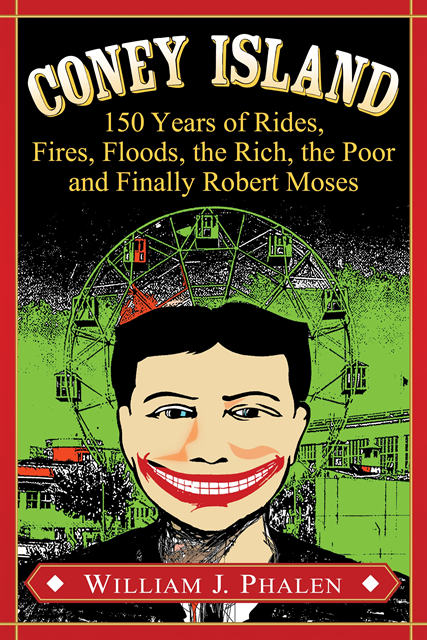
Coney Island
150 Years of Rides, Fires, Floods, the Rich, the Poor and Finally Robert Moses
E-bok, 2016
294 kr
Lägg i varukorg
Before the Civil War, Coney Island boasted a beach, a dozen small hotels with ramshackle bathhouses, some chowder stands and a few saloons. After the war, it was taken over by powerful individuals who made its 0.7 square miles a domain of the wealthy. By 1905, with the population of New York City …