Ph.D. Tao Wang M.D. – författare
Visar alla böcker från författaren Ph.D. Tao Wang M.D.. Handla med fri frakt och snabb leverans.
2 produkter
2 produkter
E-bok
Engelska, 20262 478 kr
Läs direkt efter köp
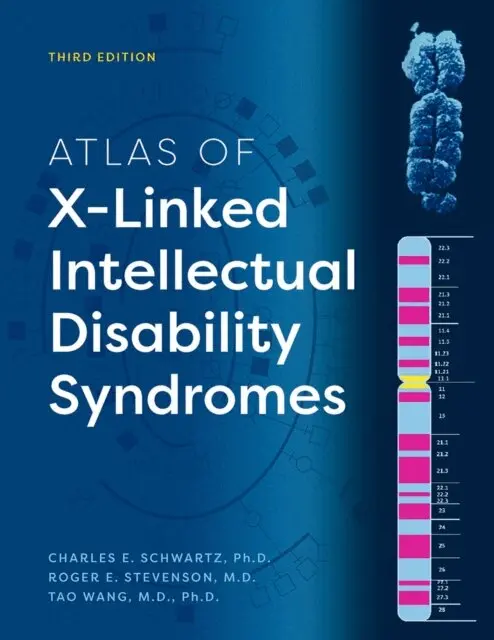
Atlas of X-Linked Intellectual Disability Syndromes, 3rd Edition is a comprehensive reference for clinicians, laboratory geneticists, and researchers working to diagnose and understand X-linked intellectual disability (XLID). This updated edition presents a concise yet thorough overview of all known XLID syndromes, incorporating the latest clinical findings and gene discoveries. Each syndrome entry includes hallmark somatic features, developmental and neurological characteristics, patterns of female expression, and the causative gene if known. A differential diagnosis matrix that follows each entry helps narrow diagnostic possibilities and guides targeted genetic testing. Appendices group syndromes by shared clinical features, offering a practical tool for comparison. New content in this edition addresses duplications within the X chromosome involving XLID genes, XLID-associated Congenital Disorders of Glycosylation, skewed X-inactivation in female carriers, and genes that escape inactivation. The XLID Syndrome Atlas remains an essential tool for navigating the evolving genetics of intellectual disability.
E-bok
PDF, Engelska, 20262 391 kr
Läs direkt efter köp
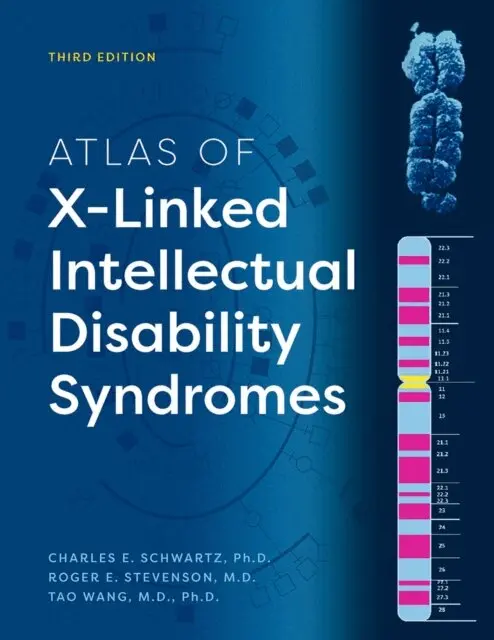
Atlas of X-Linked Intellectual Disability Syndromes, 3rd Edition is a comprehensive reference for clinicians, laboratory geneticists, and researchers working to diagnose and understand X-linked intellectual disability (XLID). This updated edition presents a concise yet thorough overview of all known XLID syndromes, incorporating the latest clinical findings and gene discoveries. Each syndrome entry includes hallmark somatic features, developmental and neurological characteristics, patterns of female expression, and the causative gene if known. A differential diagnosis matrix that follows each entry helps narrow diagnostic possibilities and guides targeted genetic testing. Appendices group syndromes by shared clinical features, offering a practical tool for comparison. New content in this edition addresses duplications within the X chromosome involving XLID genes, XLID-associated Congenital Disorders of Glycosylation, skewed X-inactivation in female carriers, and genes that escape inactivation. The XLID Syndrome Atlas remains an essential tool for navigating the evolving genetics of intellectual disability.