Phil Parvin – författare
Visar alla böcker från författaren Phil Parvin. Handla med fri frakt och snabb leverans.
5 produkter
5 produkter
Inbunden, Engelska, 2010
2 351 kr
Skickas inom 10-15 vardagar
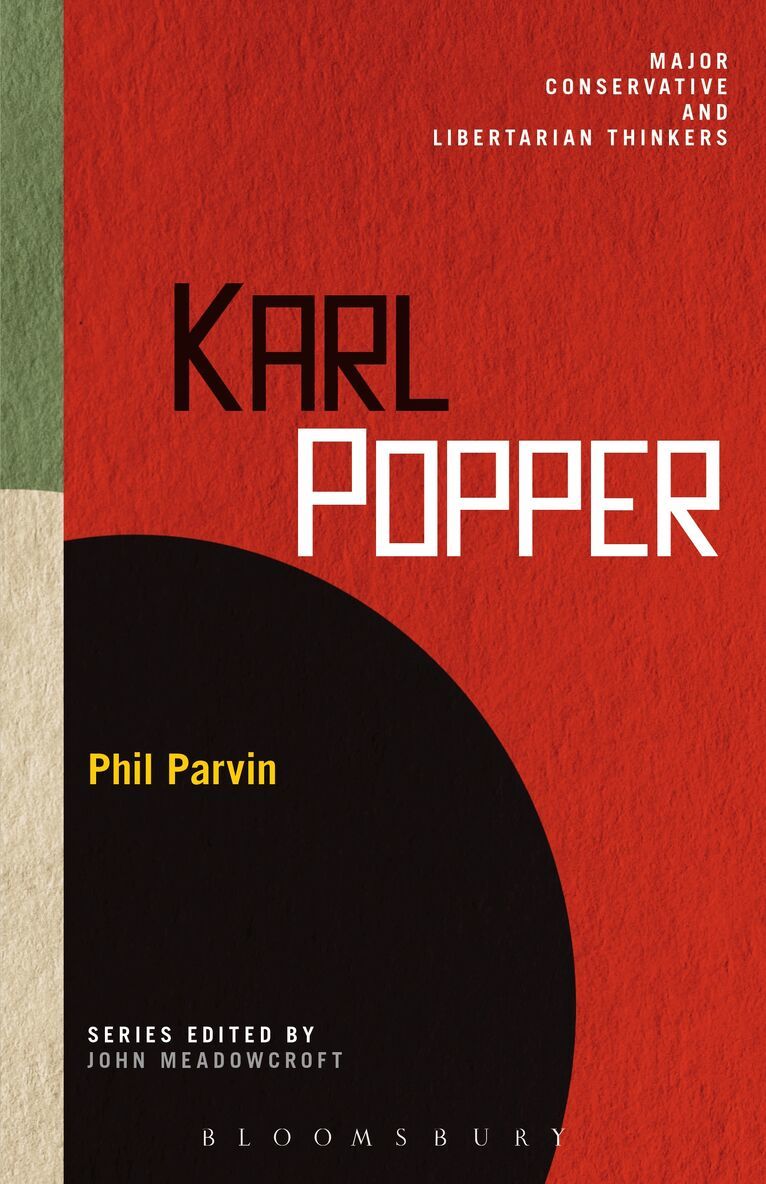
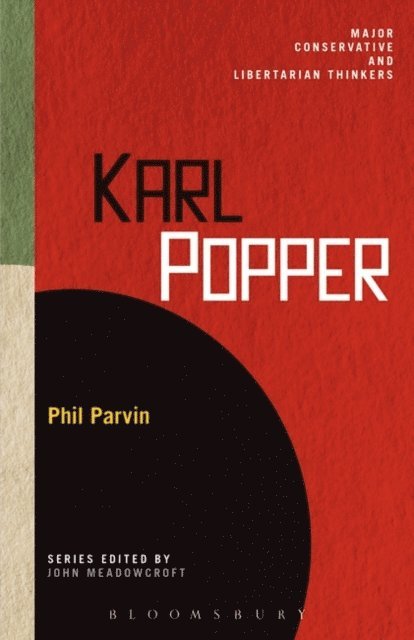
Volume 14 in the "Major Conservative and Libertarian Thinkers" series focuses on Karl Popper, an important and controversial thinker of the 20th century. Karl Popper is best known for his contributions to the philosophy of science and the history of ideas. Elements of Popper's thought were clearly libertarian or conservative in character. His politics, however, were recognisably social democratic. His ideal of an open society was not a free market utopia, but a political community in which diverse people engaged with one another in constructive dialogue to seek political solutions to common problems. If Popper made important and enduring contributions to the libertarian and conservative traditions, it would be a mistake to uncritically label him a conservative or libertarian. Rather, Popper was a scholar who contributed to a range of different fields without being shackled to one particular perspective or approach. It is in this context that we should understand Popper's contribution to libertarian and conservative thought."Major Conservative and Libertarian Thinkers" provides comprehensive accounts of the works of seminal conservative thinkers from a variety of periods, disciplines, and traditions - the first series of its kind. Even the selection of thinkers adds another aspect to conservative thinking, including not only theorists but also writers and practitioners. The series comprises twenty volumes, each including an intellectual biography, historical context, critical exposition of the thinker's work, reception and influence, contemporary relevance, bibliography including references to electronic resources, and an index.
E-bok
PDF, Engelska, 2010424 kr
Läs direkt efter köp
Karl Popper is best known for his contributions to the philosophy of science and the history of ideas. Elements of Popper''s thought were clearly libertarian or conservative in character. His politics, however, were recognisably social democratic. His ideal of an open society was not a free market utopia, but a political community in which diverse people engaged with one another in constructive dialogue to seek political solutions to common problems. If Popper made important and enduring contributions to the libertarian and conservative traditions, it would be a mistake to uncritically label him a conservative or libertarian. Rather, Popper was a scholar who contributed to a range of different fields without being shackled to one particular perspective or approach. It is in this context that we should understand Popper''s contribution to libertarian and conservative thought.
Häftad, Engelska, 2013
407 kr
Skickas inom 10-15 vardagar
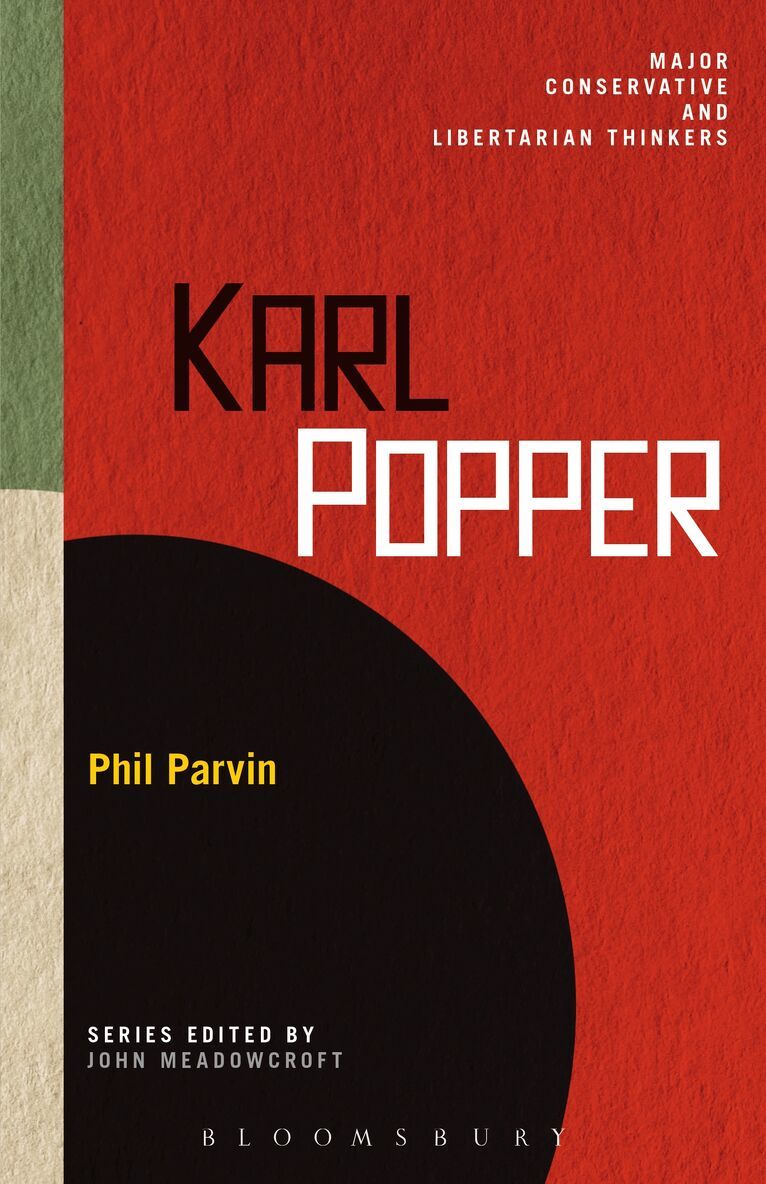
Karl Popper is best known for his contributions to the philosophy of science and the history of ideas. Elements of Popper's thought were clearly libertarian or conservative in character. His politics, however, were recognisably social democratic. His ideal of an open society was not a free market utopia, but a political community in which diverse people engaged with one another in constructive dialogue to seek political solutions to common problems. If Popper made important and enduring contributions to the libertarian and conservative traditions, it would be a mistake to uncritically label him a conservative or libertarian. Rather, Popper was a scholar who contributed to a range of different fields without being shackled to one particular perspective or approach. It is in this context that we should understand Popper's contribution to libertarian and conservative thought.
E-bok
Engelska, 201243 kr
Läs direkt efter köp
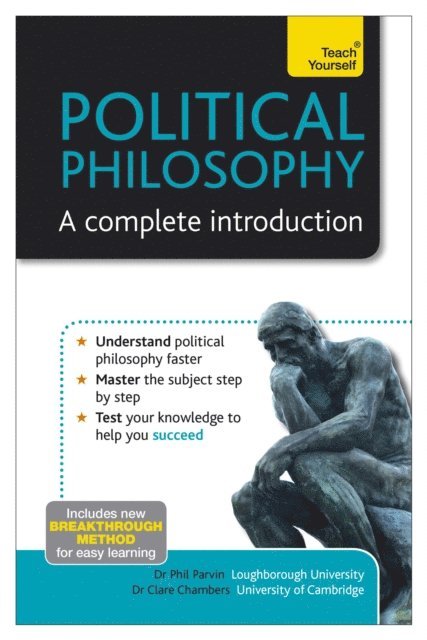
Written by Phil Parvin and Clare Chambers, who are current political philosophy lecturers and leading researchers, Political Philosophy - The Essentials is designed to give you everything you need to succeed, all in one place. It covers the key areas that students are expected to be confident in, outlining the basics in clear jargon-free English, and then providing added-value features like summaries of key thinkers, and even lists of questions you might be asked in your seminar or exam. The book''s structure follows that of most university courses on political philosophy, by looking at the essential concepts within political philosophy (freedom, equality, power, democracy, rights, the state, political obligation), and then looking at the ways in which piolitical philosophers have used these fundamental concepts in order to tackle a range of normative political questions such as whether the state has a responsibility to alleviate inequalities, and what interest liberal and demovratic states should take in the cultural or religious beliefs of citizens. Teach Yourself titles employ the ''Breakthrough method'', which is designed specifically to overcome problems that students face. - Problem: ''I find it difficult to remember what I''ve read.''; Solution: this book includes end-of-chapter questions and summaries, - Problem: ''Most books mention important other sources, but I can never find them in time.''; Solution: this book includes key texts and case studies are summarised, complete with fully referenced quotes ready to use in your essay or exam. - Problem: ''Lots of introductory books turn out to cover totally different topics than my course.''; Solution: this book is written by a current university lecturer who understands what students are expected to know.
E-bok
Engelska, 2013427 kr
Läs direkt efter köp
Karl Popper is best known for his contributions to the philosophy of science and the history of ideas. Elements of Popper's thought were clearly libertarian or conservative in character. His politics, however, were recognisably social democratic. His ideal of an open society was not a free market utopia, but a political community in which diverse people engaged with one another in constructive dialogue to seek political solutions to common problems. If Popper made important and enduring contributions to the libertarian and conservative traditions, it would be a mistake to uncritically label him a conservative or libertarian. Rather, Popper was a scholar who contributed to a range of different fields without being shackled to one particular perspective or approach. It is in this context that we should understand Popper's contribution to libertarian and conservative thought.