
Häftad, Engelska, 2018
446 kr
Skickas inom 5-8 vardagar
446 kr
Skickas inom 5-8 vardagar
529 kr
Läs direkt efter köp
563 kr
Läs direkt efter köp
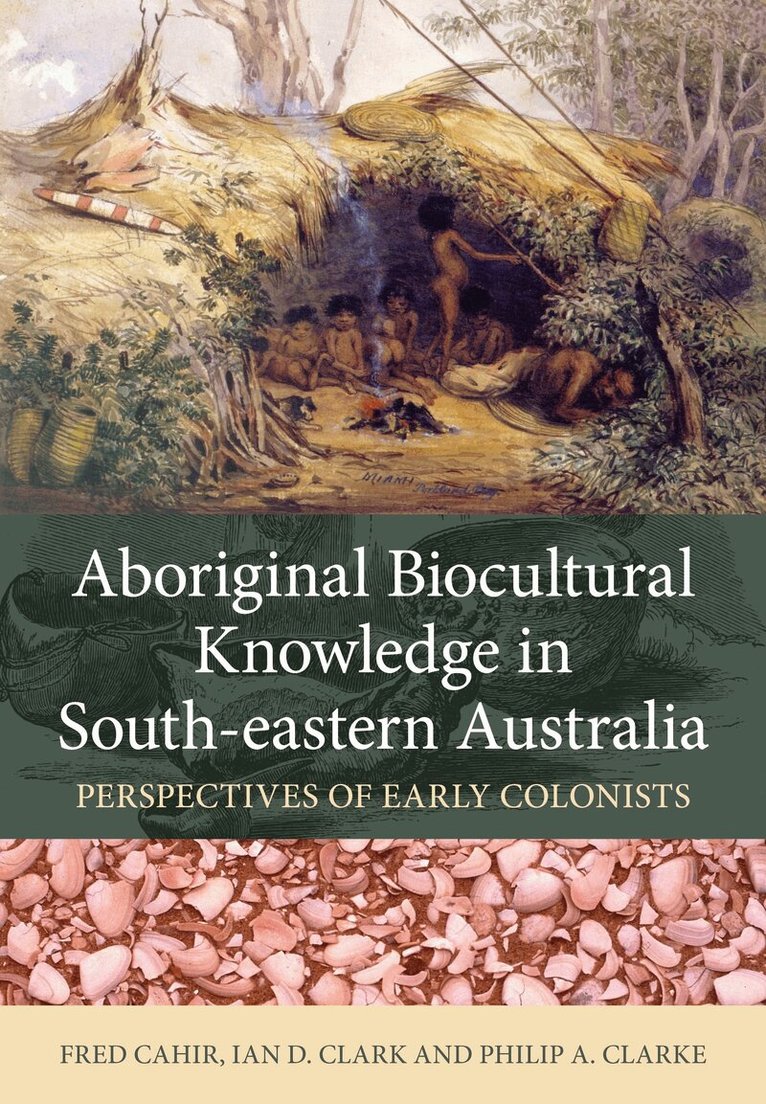
Indigenous Australians have long understood sustainable hunting and harvesting, seasonal changes in flora and fauna, predator–prey relationships and imbalances, and seasonal fire management. Yet the extent of their knowledge and expertise has been largely unknown and underappreciated by non-Aboriginal colonists, especially in the south-east of Australia where Aboriginal culture was severely fractured.
Aboriginal Biocultural Knowledge in South-eastern Australia is the first book to examine historical records from early colonists who interacted with south-eastern Australian Aboriginal communities and documented their understanding of the environment, natural resources such as water and plant and animal foods, medicine and other aspects of their material world. This book provides a compelling case for the importance of understanding Indigenous knowledge, to inform discussions around climate change, biodiversity, resource management, health and education. It will be a valuable reference for natural resource management agencies, academics in Indigenous studies and anyone interested in Aboriginal culture and knowledge.
Cultural sensitivityReaders are warned that there may be words, descriptions and terms used or referenced in this book that are culturally sensitive, and which might not normally be used in certain public or community contexts. While this information may not reflect current understanding, it is provided by the author in a historical context.
541 kr
Skickas inom 5-8 vardagar
531 kr
Läs direkt efter köp
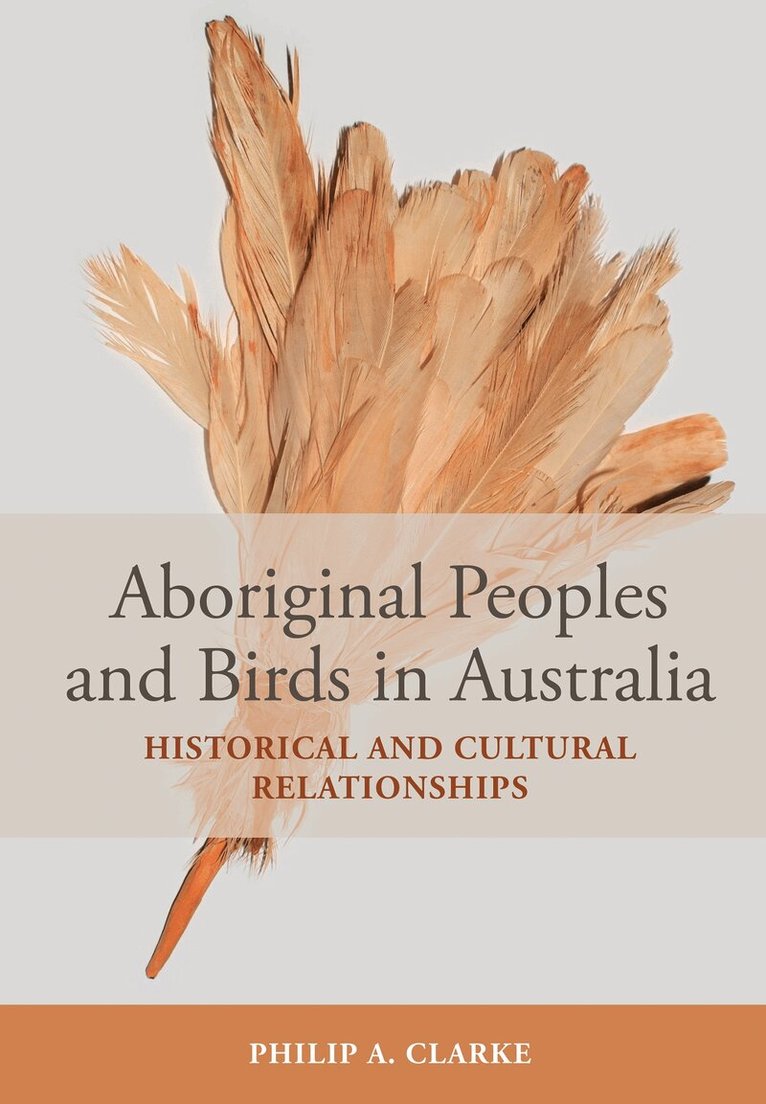
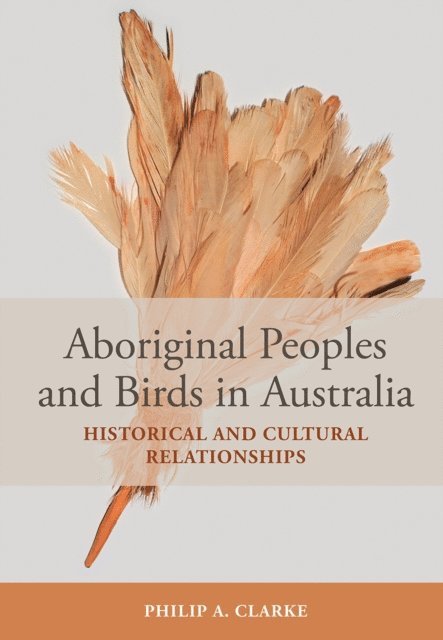
Australia is home to many distinctive species of birds, and Aboriginal peoples have developed close alliances with them over the millennia of their custodianship of this country. Aboriginal Peoples and Birds in Australia: Historical and Cultural Relationships provides a review of the broad physical, historical and cultural relationships that Aboriginal people have had with the Australian avifauna.
This book aims to raise awareness of the alternative bodies of ornithological knowledge that reside outside of Western science. It describes the role of birds as totemic ancestors and spirit beings, and explores Aboriginal bird nomenclature, foraging techniques and the use of avian materials to make food, medicine and artefacts. Through a historical perspective, this book examines the gaps between knowledge systems of Indigenous peoples and Western science, to encourage greater collaboration and acknowledgment in the future.
Cultural sensitivity
Readers are warned that there may be words, descriptions and terms used in this book that are culturally sensitive, and which might not normally be used in certain public or community contexts. While this information may not reflect current understanding, it is provided by the author in a historical context.
This publication may also contain quotations, terms and annotations that reflect the historical attitude of the original author or that of the period in which the item was written, and may be considered inappropriate today.
Aboriginal and Torres Strait Islander peoples are advised that this publication may contain the names and images of people who have passed away.
446 kr
Skickas inom 5-8 vardagar
446 kr
Skickas inom 5-8 vardagar
529 kr
Läs direkt efter köp
563 kr
Läs direkt efter köp
Indigenous Australians have long understood sustainable hunting and harvesting, seasonal changes in flora and fauna, predator–prey relationships and imbalances, and seasonal fire management. Yet the extent of their knowledge and expertise has been largely unknown and underappreciated by non-Aboriginal colonists, especially in the south-east of Australia where Aboriginal culture was severely fractured.
Aboriginal Biocultural Knowledge in South-eastern Australia is the first book to examine historical records from early colonists who interacted with south-eastern Australian Aboriginal communities and documented their understanding of the environment, natural resources such as water and plant and animal foods, medicine and other aspects of their material world. This book provides a compelling case for the importance of understanding Indigenous knowledge, to inform discussions around climate change, biodiversity, resource management, health and education. It will be a valuable reference for natural resource management agencies, academics in Indigenous studies and anyone interested in Aboriginal culture and knowledge.
Cultural sensitivityReaders are warned that there may be words, descriptions and terms used or referenced in this book that are culturally sensitive, and which might not normally be used in certain public or community contexts. While this information may not reflect current understanding, it is provided by the author in a historical context.
541 kr
Skickas inom 5-8 vardagar
531 kr
Läs direkt efter köp
Australia is home to many distinctive species of birds, and Aboriginal peoples have developed close alliances with them over the millennia of their custodianship of this country. Aboriginal Peoples and Birds in Australia: Historical and Cultural Relationships provides a review of the broad physical, historical and cultural relationships that Aboriginal people have had with the Australian avifauna.
This book aims to raise awareness of the alternative bodies of ornithological knowledge that reside outside of Western science. It describes the role of birds as totemic ancestors and spirit beings, and explores Aboriginal bird nomenclature, foraging techniques and the use of avian materials to make food, medicine and artefacts. Through a historical perspective, this book examines the gaps between knowledge systems of Indigenous peoples and Western science, to encourage greater collaboration and acknowledgment in the future.
Cultural sensitivity
Readers are warned that there may be words, descriptions and terms used in this book that are culturally sensitive, and which might not normally be used in certain public or community contexts. While this information may not reflect current understanding, it is provided by the author in a historical context.
This publication may also contain quotations, terms and annotations that reflect the historical attitude of the original author or that of the period in which the item was written, and may be considered inappropriate today.
Aboriginal and Torres Strait Islander peoples are advised that this publication may contain the names and images of people who have passed away.
446 kr
Skickas inom 5-8 vardagar