Philip Andrews-Speed – författare
Visar alla böcker från författaren Philip Andrews-Speed. Handla med fri frakt och snabb leverans.
13 produkter
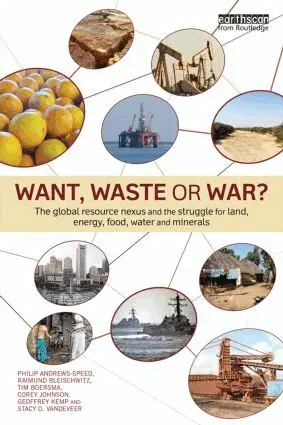
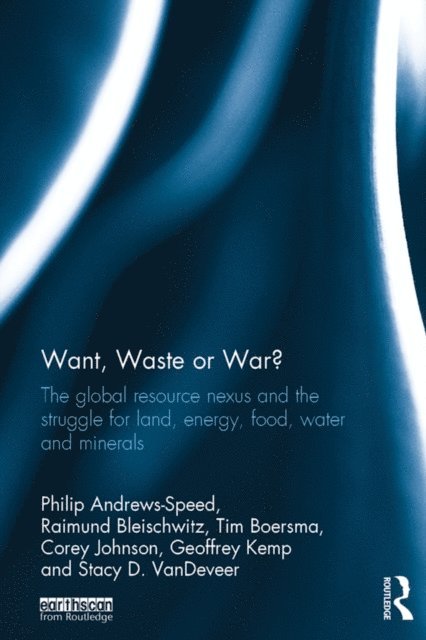
Want, Waste or War?
The Global Resource Nexus and the Struggle for Land, Energy, Food, Water and Minerals
Av Philip Andrews-Speed, Raimund Bleischwitz m. fl.
Häftad, 2014
825 kr
Lägg i varukorg
In addition to environmental change, the structure and trends of global politics and the economy are also changing as more countries join the ranks of the world’s largest economies with their resource-intensive patterns. The nexus approach, conceptualized as attention to resource connections and …
Strategic Implications of China's Energy Needs
Av Philip Andrews-Speed, Xuan-Li Liao m. fl.
Häftad, 2005
445 kr
Lägg i varukorg
China is frequently described as a threat to regional and global stability and its rapidly rising demand for imported energy is seens as one cause of this threat. This book shows that domestic politics and foreign policy have both played a part in China's recent major energy policy decisions. …
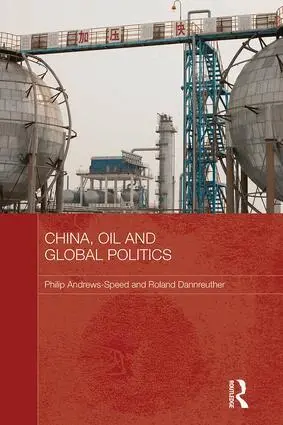
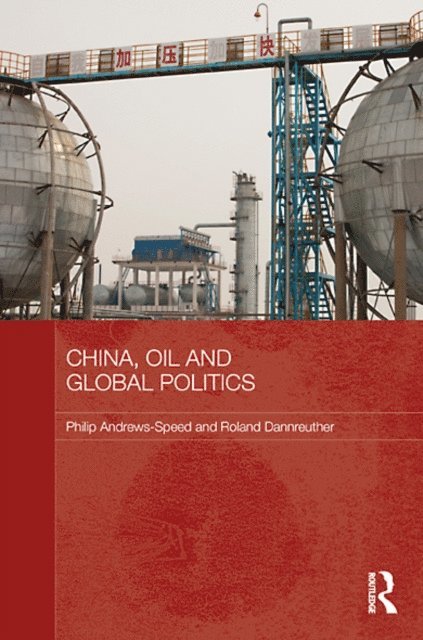
China, Oil and Global Politics
Av Philip Andrews-Speed, Roland Dannreuther
Inbunden, 2011
2516 kr
Lägg i varukorg
China’s rapid economic growth has led to a huge increase in its domestic energy needs. This book provides a critical overview of how China’s growing need for oil imports is shaping its international economic and diplomatic strategy and how this affects global political relations and behaviour. Part …
China, Oil and Global Politics
Av Philip Andrews-Speed, Roland Dannreuther
Häftad, 2013
853 kr
Lägg i varukorg
China’s rapid economic growth has led to a huge increase in its domestic energy needs. This book provides a critical overview of how China’s growing need for oil imports is shaping its international economic and diplomatic strategy and how this affects global political relations and behaviour. Part …
China, Oil and Global Politics
Av Roland Dannreuther, Philip Andrews-Speed
E-bok, 2011
1004 kr
Lägg i varukorg
China’s rapid economic growth has led to a huge increase in its domestic energy needs. This book provides a critical overview of how China’s growing need for oil imports is shaping its international economic and diplomatic strategy and how this affects global political relations and behaviour. Part …
China, Oil and Global Politics
Av Roland Dannreuther, Philip Andrews-Speed
E-bok, 2011
983 kr
Lägg i varukorg
China’s rapid economic growth has led to a huge increase in its domestic energy needs. This book provides a critical overview of how China’s growing need for oil imports is shaping its international economic and diplomatic strategy and how this affects global political relations and behaviour. Part …
Strategic Implications of China's Energy Needs
Av Philip Andrews-Speed, Xuan-Li Liao m. fl.
Inbunden, 2017
2710 kr
Lägg i varukorg
China is frequently described as a threat to regional and global stability and its rapidly rising demand for imported energy is seens as one cause of this threat. This book shows that domestic politics and foreign policy have both played a part in China's recent major energy policy decisions. …
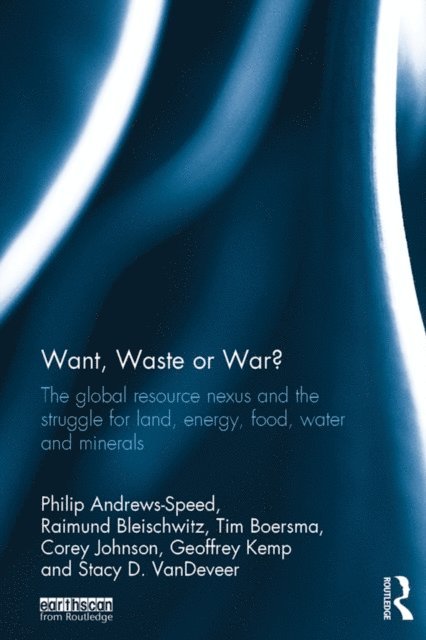
Want, Waste or War?
The Global Resource Nexus and the Struggle for Land, Energy, Food, Water and Minerals
Av Philip Andrews-Speed, Raimund Bleischwitz m. fl.
Inbunden, 2014
2521 kr
Lägg i varukorg
In addition to environmental change, the structure and trends of global politics and the economy are also changing as more countries join the ranks of the world’s largest economies with their resource-intensive patterns. The nexus approach, conceptualized as attention to resource connections and …
Want, Waste or War?
The Global Resource Nexus and the Struggle for Land, Energy, Food, Water and Minerals
Av Stacy D. VanDeveer, Geoffrey Kemp m. fl.
E-bok, 2014
970 kr
Lägg i varukorg
In addition to environmental change, the structure and trends of global politics and the economy are also changing as more countries join the ranks of the world’s largest economies with their resource-intensive patterns. The nexus approach, conceptualized as attention to resource connections and …
Want, Waste or War?
The Global Resource Nexus and the Struggle for Land, Energy, Food, Water and Minerals
Av Stacy D. VanDeveer, Geoffrey Kemp m. fl.
E-bok, 2014
970 kr
Lägg i varukorg
In addition to environmental change, the structure and trends of global politics and the economy are also changing as more countries join the ranks of the world’s largest economies with their resource-intensive patterns. The nexus approach, conceptualized as attention to resource connections and …
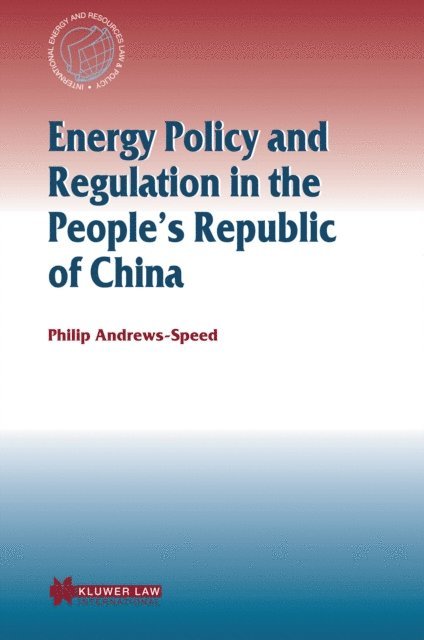
Energy Policy and Regulation in the People's Republic of China
E-bok, 2004
3334 kr
Lägg i varukorg
China is the world¿s second largest consumer of commercial energy and is therefore a significant contributor to atmospheric pollution. It is becoming a major player in global and regional markets for energy products, services and investment. This book provides an overview of the formulation and …
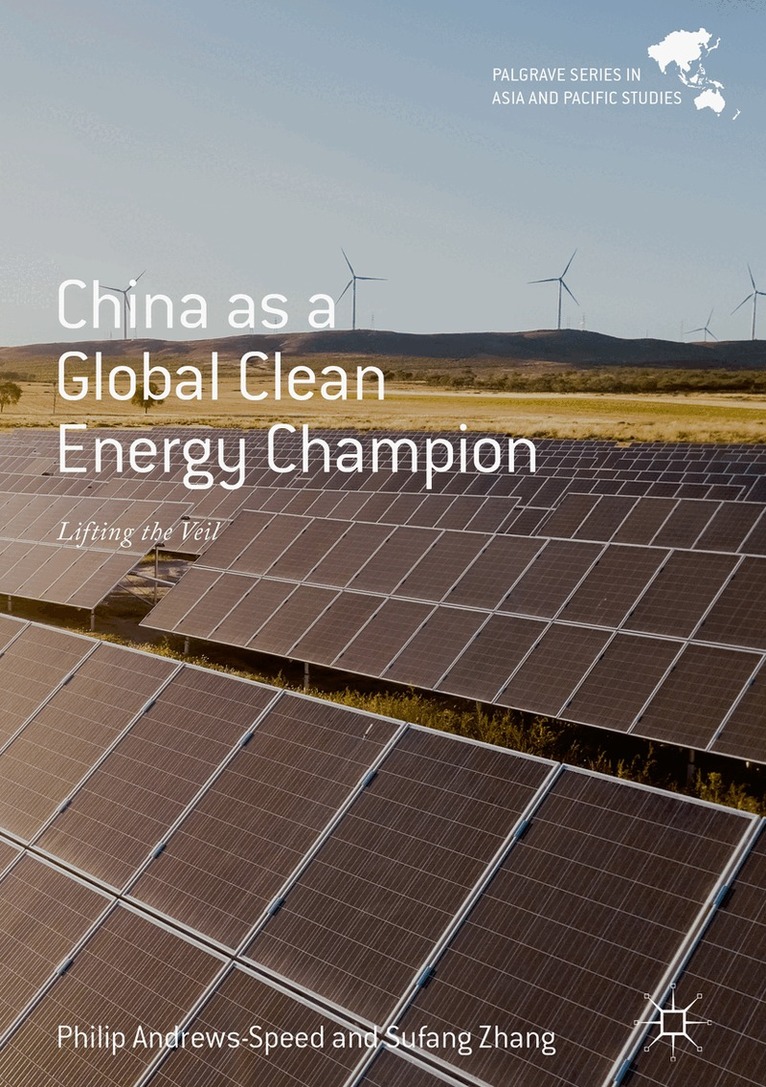
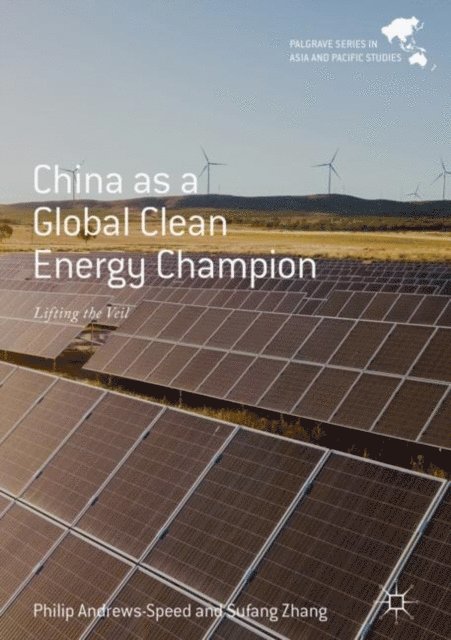
China as a Global Clean Energy Champion
Lifting the Veil
Av Philip Andrews-Speed, Sufang Zhang
Inbunden, 2019
876 kr
Lägg i varukorg
This book assesses China’s reputation as a global clean energy champion, and applies institutional and public policy theories to explain how the country has achieved so much and why there continue to be so many unintended consequences and constraints to progress. It considers the extent to which …
China as a Global Clean Energy Champion
Lifting the Veil
Av Sufang Zhang, Philip Andrews-Speed
E-bok, 2019
1141 kr
Lägg i varukorg
This book assesses China’s reputation as a global clean energy champion, and applies institutional and public policy theories to explain how the country has achieved so much and why there continue to be so many unintended consequences and constraints to progress. It considers the extent to which …