Philip Crang – författare
597 kr
Skickas inom 10-15 vardagar
639 kr
Skickas inom 10-15 vardagar
2 113 kr
Skickas inom 10-15 vardagar
695 kr
Skickas inom 10-15 vardagar
1 990 kr
Skickas inom 3-6 vardagar
`Practising Human Geography lucidly, comprehensively, and sometimes passionately shows why methodology matters, and why it is often so hard. To choose a method is to choose the kind of geographical values one wants to uphold. You need to get it right.These authors do' - Trevor Barnes, University of British Columbia
`Practising Human Geography is a godsend for students. Written in an accessible and engaging style, the book demystifies the study of geographical methodology, offering a wealth of practical advice from the authors' own research experience. This is not a manual of approved geographical techniques. It is a reflexive, critical and highly personal account, combining historical depth with up-to-the-minute examples of research in practice. Practising Human Geography is a comprehensive and theoretically informed introduction to the practices of fieldwork, data collection, interpretation and writing, enabling students to make sense of their own data and to develop a critical perspective on the existing literature. The book makes complicated ideas approachable through the effective use of case studies and a firm grasp of contemporary debates' - Peter Jackson, Professor of Human Geography, University of Sheffield
Practising Human Geography is a critical introduction to key issues in the practice of human geography, informed by the question 'how do geographers do research?' In examining those methods and practices that are essential to doing geography, the text presents a theoretically-informed discussion of the construction and interpretation of geographical data - including: the use of core research methodologies; using official and non-official sources; and the interpretative role of the researcher.
Framed by an overview of how ideas of practising human geography have changed, the twelve chapters offer a comprehensive and integrated overview of research methodologies. The text is illustrated throughout with text boxes, case studies, and definitions of key terms. Practising Human Geography will introduce geographers - from undergraduate to faculty - to the core issues that inform research design and practice.
3 110 kr
Skickas
`Practising Human Geography lucidly, comprehensively, and sometimes passionately shows why methodology matters, and why it is often so hard. To choose a method is to choose the kind of geographical values one wants to uphold. You need to get it right.These authors do' - Trevor Barnes, University of British Columbia
`Practising Human Geography is a godsend for students. Written in an accessible and engaging style, the book demystifies the study of geographical methodology, offering a wealth of practical advice from the authors' own research experience. This is not a manual of approved geographical techniques. It is a reflexive, critical and highly personal account, combining historical depth with up-to-the-minute examples of research in practice. Practising Human Geography is a comprehensive and theoretically informed introduction to the practices of fieldwork, data collection, interpretation and writing, enabling students to make sense of their own data and to develop a critical perspective on the existing literature. The book makes complicated ideas approachable through the effective use of case studies and a firm grasp of contemporary debates' - Peter Jackson, Professor of Human Geography, University of Sheffield
Practising Human Geography is a critical introduction to key issues in the practice of human geography, informed by the question 'how do geographers do research?' In examining those methods and practices that are essential to doing geography, the text presents a theoretically-informed discussion of the construction and interpretation of geographical data - including: the use of core research methodologies; using official and non-official sources; and the interpretative role of the researcher.
Framed by an overview of how ideas of practising human geography have changed, the twelve chapters offer a comprehensive and integrated overview of research methodologies. The text is illustrated throughout with text boxes, case studies, and definitions of key terms. Practising Human Geography will introduce geographers - from undergraduate to faculty - to the core issues that inform research design and practice.
824 kr
Läs direkt efter köp
Social relations in our globalising world are increasingly stretched out across the borders of two or more nation-states. Yet, despite the growing academic interest in transnational economic networks, political movements and cultural forms, too little attention has been paid to the transformations of space that these processes both reflect and reproduce.Transnational Spaces takes a innovative perspective, looking at transnationalism as a social space that can be occupied by a wide range of actors, not all of whom are themselves directly connected to transnational migrant communities.
824 kr
Läs direkt efter köp
Social relations in our globalising world are increasingly stretched out across the borders of two or more nation-states. Yet, despite the growing academic interest in transnational economic networks, political movements and cultural forms, too little attention has been paid to the transformations of space that these processes both reflect and reproduce.Transnational Spaces takes a innovative perspective, looking at transnationalism as a social space that can be occupied by a wide range of actors, not all of whom are themselves directly connected to transnational migrant communities.
706 kr
Läs direkt efter köp
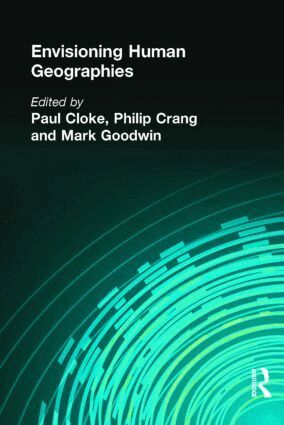
Bringing together many of the leading human geographers from around the English-speaking world, Envisioning Human Geographies offers a series of personal visions for the future of human geography. The result is a vigorous and far-sighted debate about what human geography could and should be concerned with in the twenty-first century.The individual contributors develop their arguments to address the shape and direction of human geographies, with each chapter looking forward and envisioning an intellectual future for the subject. The result is a set of powerful statements written around the themes of:·space·nature ·enclosure ·political-economy·non-representation ·post-colonialism ·feminism·post-structuralism ·computation·morality·spirituality ·activism. The statements are tied via an introduction that discusses the ideological, academic and aesthetic prompts that fire the human geographical imagination.Envisioning Human Geographies maps out important new territories of enquiry for human geography, and is essential reading for all students studying the nature and philosophy of the subject.
2 604 kr
Skickas inom 10-15 vardagar
779 kr
Läs direkt efter köp
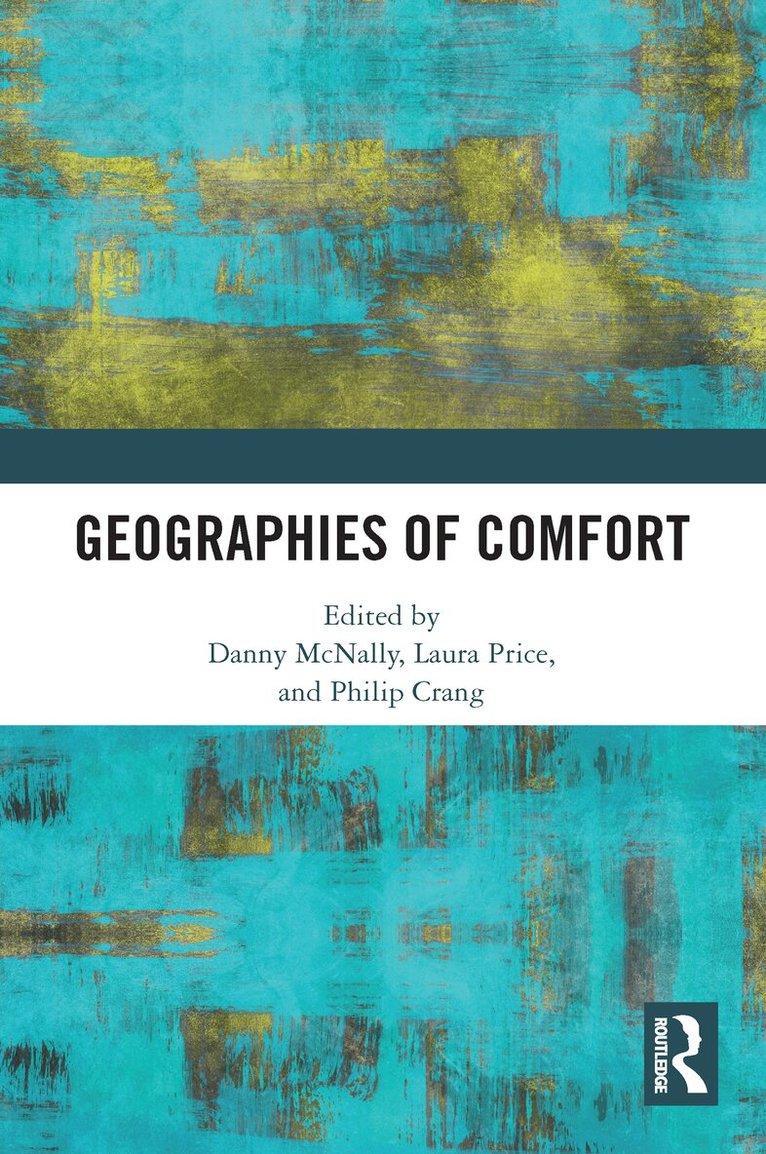
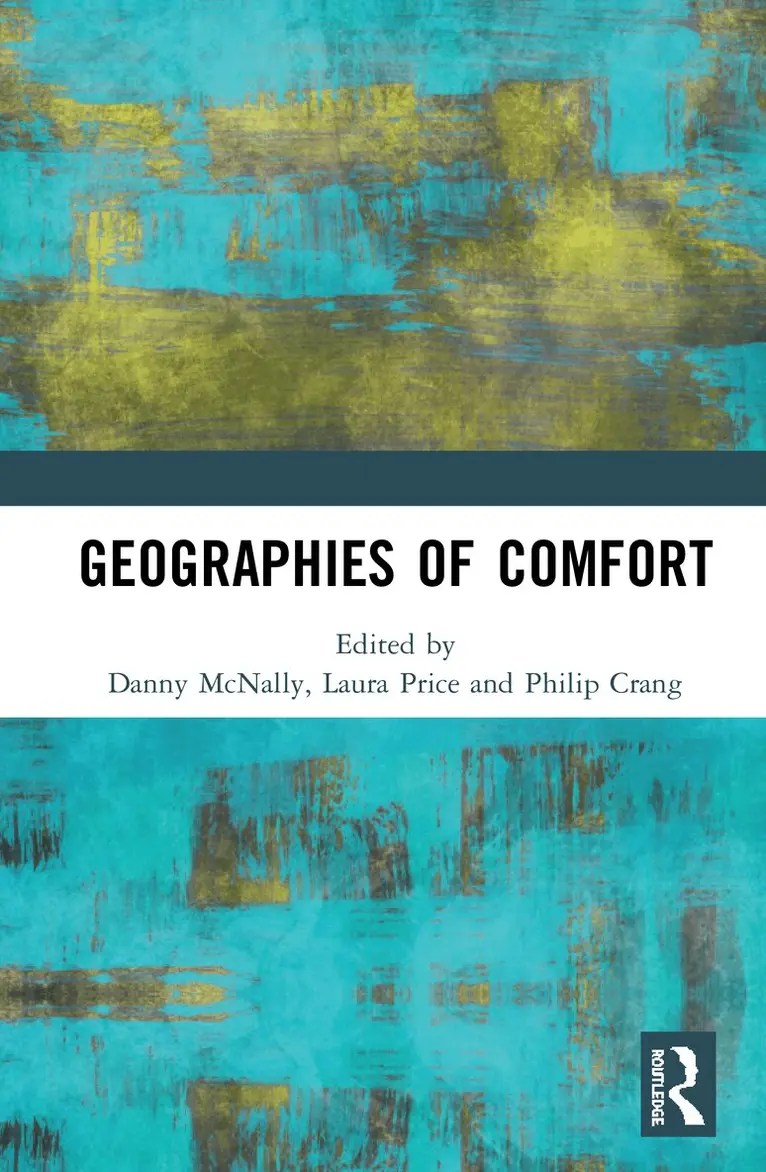
Bringing together conceptual and empirical research from leading thinkers, this book critically examines ‘comfort’ in everyday life in an era of continually occurring social, political and environmental changes.
Comfort and discomfort have assumed a central position in a range of works examining the relations between place and emotion, the senses, affect and materiality. This book argues that the emergence of this theme reflects how questions of comfort intersect humanistic, cultural-political and materialist registers of understanding the world. It highlights how geographies of comfort becomes a timely concern for Human Geography after its cultural, emotional and affective aspects. More specifically, comfort has become a vital theme for work on mobilities, home, environment and environmentalism, sociability in public space and the body. ‘Comfort’ is recognized as more than just a sensory experience through which we understand the world; its presence, absence and pursuit actively make and un-make the world. In light of this recognition, this book engages deeply with ‘comfort’ as both an analytic approach and an object of analysis.
This book offers international and interdisciplinary perspectives that deploys the lens of comfort to make sense of the textures of everyday life in a variety of geographical contexts. It will appeal to those working in human geography, anthropology, feminist theory, cultural studies and sociology.
779 kr
Läs direkt efter köp
Bringing together conceptual and empirical research from leading thinkers, this book critically examines ‘comfort’ in everyday life in an era of continually occurring social, political and environmental changes.
Comfort and discomfort have assumed a central position in a range of works examining the relations between place and emotion, the senses, affect and materiality. This book argues that the emergence of this theme reflects how questions of comfort intersect humanistic, cultural-political and materialist registers of understanding the world. It highlights how geographies of comfort becomes a timely concern for Human Geography after its cultural, emotional and affective aspects. More specifically, comfort has become a vital theme for work on mobilities, home, environment and environmentalism, sociability in public space and the body. ‘Comfort’ is recognized as more than just a sensory experience through which we understand the world; its presence, absence and pursuit actively make and un-make the world. In light of this recognition, this book engages deeply with ‘comfort’ as both an analytic approach and an object of analysis.
This book offers international and interdisciplinary perspectives that deploys the lens of comfort to make sense of the textures of everyday life in a variety of geographical contexts. It will appeal to those working in human geography, anthropology, feminist theory, cultural studies and sociology.
706 kr
Läs direkt efter köp
Bringing together many of the leading human geographers from around the English-speaking world, Envisioning Human Geographies offers a series of personal visions for the future of human geography. The result is a vigorous and far-sighted debate about what human geography could and should be concerned with in the twenty-first century.The individual contributors develop their arguments to address the shape and direction of human geographies, with each chapter looking forward and envisioning an intellectual future for the subject. The result is a set of powerful statements written around the themes of:·space·nature ·enclosure ·political-economy·non-representation ·post-colonialism ·feminism·post-structuralism ·computation·morality·spirituality ·activism. The statements are tied via an introduction that discusses the ideological, academic and aesthetic prompts that fire the human geographical imagination.Envisioning Human Geographies maps out important new territories of enquiry for human geography, and is essential reading for all students studying the nature and philosophy of the subject.
807 kr
Läs direkt efter köp
`Practising Human Geography lucidly, comprehensively, and sometimes passionately shows why methodology matters, and why it is often so hard. To choose a method is to choose the kind of geographical values one wants to uphold. You need to get it right.These authors do′ - Trevor Barnes, University of British Columbia
`Practising Human Geography is a godsend for students. Written in an accessible and engaging style, the book demystifies the study of geographical methodology, offering a wealth of practical advice from the authors′ own research experience. This is not a manual of approved geographical techniques. It is a reflexive, critical and highly personal account, combining historical depth with up-to-the-minute examples of research in practice. Practising Human Geography is a comprehensive and theoretically informed introduction to the practices of fieldwork, data collection, interpretation and writing, enabling students to make sense of their own data and to develop a critical perspective on the existing literature. The book makes complicated ideas approachable through the effective use of case studies and a firm grasp of contemporary debates′ - Peter Jackson, Professor of Human Geography, University of Sheffield
Practising Human Geography is a critical introduction to key issues in the practice of human geography, informed by the question ′how do geographers do research?′ In examining those methods and practices that are essential to doing geography, the text presents a theoretically-informed discussion of the construction and interpretation of geographical data - including: the use of core research methodologies; using official and non-official sources; and the interpretative role of the researcher.
Framed by an overview of how ideas of practising human geography have changed, the twelve chapters offer a comprehensive and integrated overview of research methodologies. The text is illustrated throughout with text boxes, case studies, and definitions of key terms. Practising Human Geography will introduce geographers - from undergraduate to faculty - to the core issues that inform research design and practice.
2 183 kr
Skickas inom 10-15 vardagar