Philip Giurlando – författare
751 kr
Skickas inom 10-15 vardagar
2 394 kr
Skickas inom 10-15 vardagar
891 kr
Läs direkt efter köp
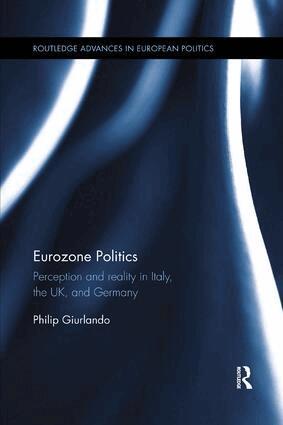
The crisis of the Eurozone has had a significant impact on the politics of Europe. In many countries, the euro was largely interpreted by elites as a development that would ameliorate their nations’ problems. However, recent events have proven the contrary, with the rise of radical right-wing politics and populism across the continent.
This book investigates the politics of the euro, with a primary focus on Italy, but also with additional chapters on the UK and Germany. Using a range of original and secondary data, it reconstructs how the euro was interpreted by both elites and non-elites from the late nineties to 2010. By recruiting a large sample of non-elites, it examines perceptions of the euro and the ways in which these views allowed for the justification of painful austerity measures required to enter the Economic and Monetary Union. In doing so, it sheds light on the ways in which non-elites interpret complex political objects like the euro and provides a systemic comparison of the cognitive schema of non-elites and elites.
This book will be of key interest to scholars and students of the European Union, European politics, Italian politics, comparative politics and political economy.
891 kr
Läs direkt efter köp
The crisis of the Eurozone has had a significant impact on the politics of Europe. In many countries, the euro was largely interpreted by elites as a development that would ameliorate their nations’ problems. However, recent events have proven the contrary, with the rise of radical right-wing politics and populism across the continent.
This book investigates the politics of the euro, with a primary focus on Italy, but also with additional chapters on the UK and Germany. Using a range of original and secondary data, it reconstructs how the euro was interpreted by both elites and non-elites from the late nineties to 2010. By recruiting a large sample of non-elites, it examines perceptions of the euro and the ways in which these views allowed for the justification of painful austerity measures required to enter the Economic and Monetary Union. In doing so, it sheds light on the ways in which non-elites interpret complex political objects like the euro and provides a systemic comparison of the cognitive schema of non-elites and elites.
This book will be of key interest to scholars and students of the European Union, European politics, Italian politics, comparative politics and political economy.
1 524 kr
Skickas inom 10-15 vardagar
1 891 kr
Läs direkt efter köp
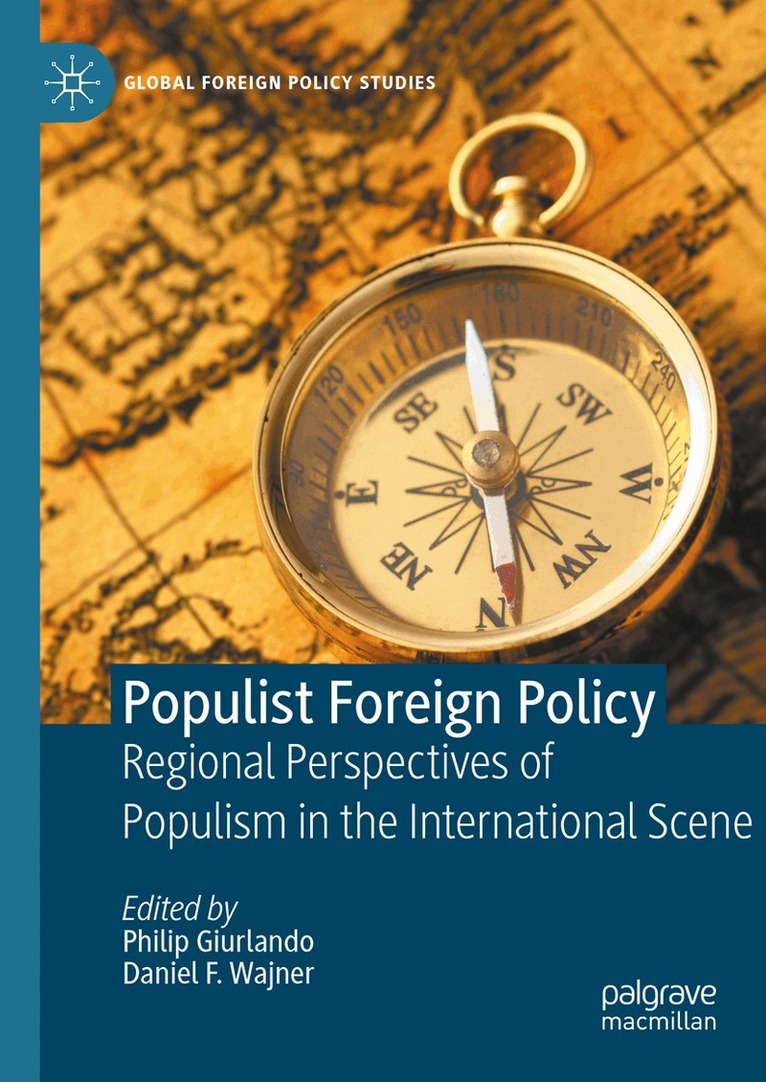
The empirical analysis sheds new light on how populists’ distinctive conception of a world divided antagonistically between “the people” and “the elites” influences behaviour towards multilateral organizations such as the United Nations and the European Union, and regional or global hegemonic powers like the United States, Germany, Russia, and China. The book also shows how ideas related to identity, ideology, status and emotions, impinge on populists’ conduct vis-à-vis other international actors, and how national and international structures affect the implementation of populist foreign policies in the regional, interregional, and global arenas. The wide geographical diversity and regional representation are also valuable in identifying cultural similarities and differences. Hence, the findings contribute to lively debates on whether there is a unified and coherent foreign policy among populist leaderships, and whether populism leads to a gradual “corrective” of transnational trends in contemporary politics or, conversely, to a more radical, structural shift in the liberal international order.
648 kr
Skickas inom 5-8 vardagar
1 524 kr
Skickas inom 10-15 vardagar