Philip Judson – författare
Visar alla böcker från författaren Philip Judson. Handla med fri frakt och snabb leverans.
5 produkter
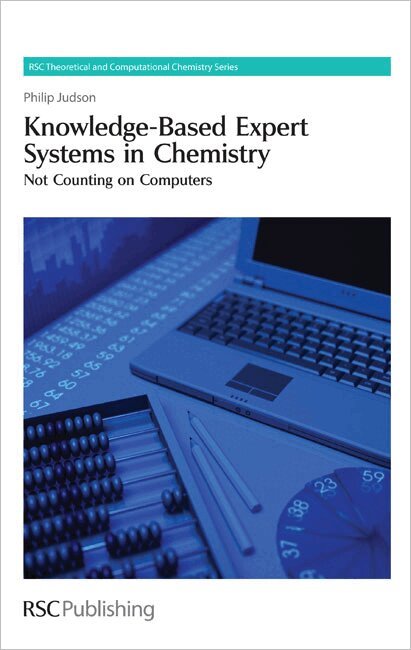
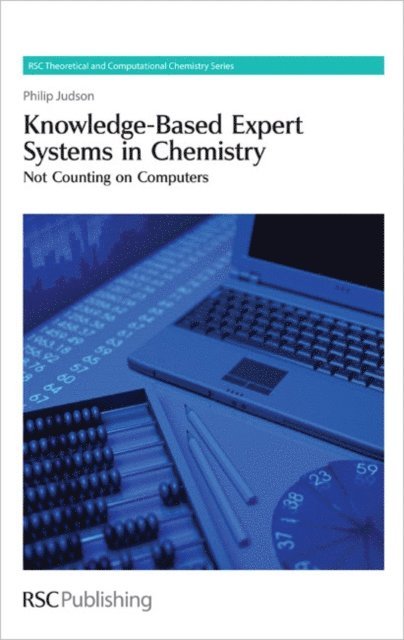
Knowledge-Based Expert Systems in Chemistry
Not Counting on Computers
Av Philip Judson, Jonathan Hirst m. fl.
Inbunden, 2009
1812 kr
Lägg i varukorg
This is currently the only book available on the development of knowledge-based, and related, expert systems in chemistry and toxicology. Written by a pioneer in the field, it shows how computers can work with qualitative information where precise numerical methods are not satisfactory. An …
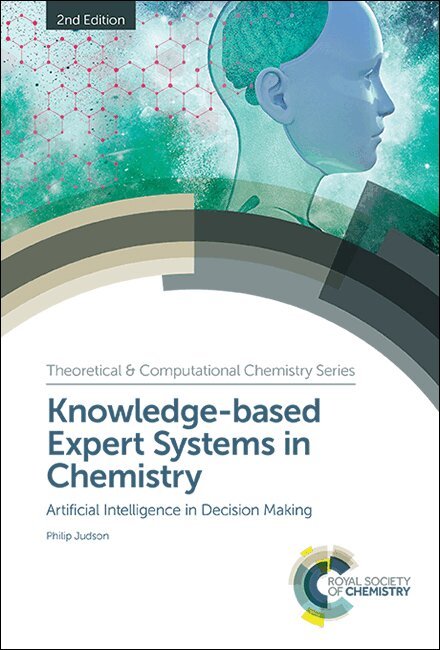
Knowledge-based Expert Systems in Chemistry
Artificial Intelligence in Decision Making
Inbunden, 2019
2716 kr
Lägg i varukorg
There have been significant developments in the use of knowledge-based expert systems in chemistry since the first edition of this book was published in 2009. This new edition has been thoroughly revised and updated to reflect the advances.The underlying theme of the book is still the need for …
Knowledge-based Expert Systems in Chemistry
Artificial Intelligence in Decision Making
E-bok, 2019
2376 kr
Lägg i varukorg
There have been significant developments in the use of knowledge-based expert systems in chemistry since the first edition of this book was published in 2009. This new edition has been thoroughly revised and updated to reflect the advances. The underlying theme of the book is still the need for …
Knowledge-based Expert Systems in Chemistry
Artificial Intelligence in Decision Making
E-bok, 2019
2428 kr
Lägg i varukorg
There have been significant developments in the use of knowledge-based expert systems in chemistry since the first edition of this book was published in 2009. This new edition has been thoroughly revised and updated to reflect the advances. The underlying theme of the book is still the need for …
Knowledge-Based Expert Systems in Chemistry
Not Counting on Computers
E-bok, 2009
1548 kr
Lägg i varukorg
This is currently the only book available on the development of knowledge-based, and related, expert systems in chemistry and toxicology. Written by a pioneer in the field, it shows how computers can work with qualitative information where precise numerical methods are not satisfactory. An …