Philip Kortum – författare
Visar alla böcker från författaren . Handla med fri frakt och snabb leverans.
5 produkter
5 produkter
Del 1 - Users' Guides to Human Factors
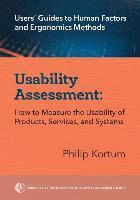
Usability Assessment: How to Measure the Usability of Products, Services, and Systems
Häftad, Engelska, 2016
614 kr
E-bok
PDF, Engelska, 2008571 kr
Läs direkt efter köp
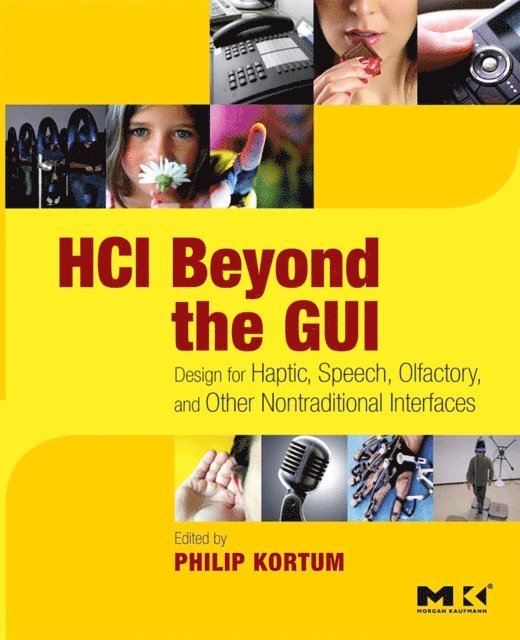
As technology expands and evolves, one-dimensional, graphical user interface (GUI) design becomes increasingly limiting and simplistic. Designers must meet the challenge of developing new and creative interfaces that adapt to meet human needs and technological trends. HCI Beyond the GUI provides designers with this know how by exploring new ways to reach users that involve all of the human senses. Dr. Kortum gathers contributions from leading human factors designers to present a single reference for professionals, researchers, and students.- Explores the human factors involved in the design and implementation of the nontraditional interfaces, detailing design strategies, testing methodologies, and implementation techniques- Provides an invaluable resource for practitioners who design interfaces for children, gamers and users with accessibility needs- Offers extensive case studies, examples and design guidelines
Häftad, Engelska, 2008
585 kr
Skickas inom 10-15 vardagar
As technology expands and evolves, one-dimensional, graphical user interface (GUI) design becomes increasingly limiting and simplistic. Designers must meet the challenge of developing new and creative interfaces that adapt to meet human needs and technological trends. HCI Beyond the GUI provides designers with this know how by exploring new ways to reach users that involve all of the human senses. Dr. Kortum gathers contributions from leading human factors designers to present a single reference for professionals, researchers, and students. Explores the human factors involved in the design and implementation of the nontraditional interfaces, detailing design strategies, testing methodologies, and implementation techniques Provides an invaluable resource for practitioners who design interfaces for children, gamers and users with accessibility needs Offers extensive case studies, examples and design guidelines
Häftad, Engelska, 2026
588 kr
Kommande
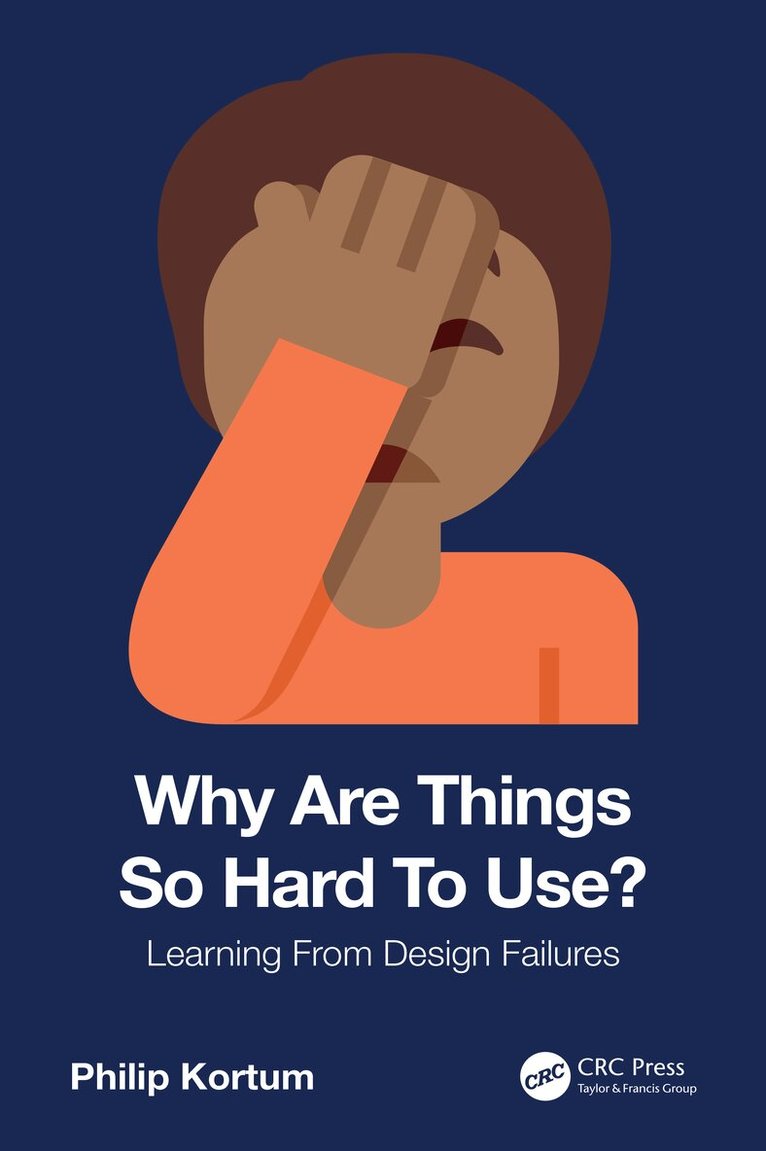
Why Are Things So Hard To Use?: Learning From Design Failures explores the often-overlooked lessons hidden in poorly designed interfaces. While good design tends to go unnoticed, bad design leaves a lasting impression, frustrating users and highlighting what not to do.Written in an engaging, first-person style, this book challenges UI/UX designers to rethink their approach by examining the critical role of failed designs in shaping better, more intuitive interfaces. Through ten distinct categories of design failures, such as neglecting user capabilities or failing to communicate effectively, the book provides real-world examples that are insightful and easy to grasp. With over 100 pictorial examples of design missteps and more than 40 examples of exceptional design, readers will gain a clear understanding of what works and what does not. The book addresses the challenges posed by emerging technologies like AI and voice interfaces, offering actionable recommendations to help designers create interfaces that truly meet user needs and lead them on a path to better design.This book is ideal for professionals in human factors and UI/UX design as well as students of these fields.
Inbunden, Engelska, 2026
1 077 kr
Kommande
Why Are Things So Hard To Use?: Learning From Design Failures explores the often-overlooked lessons hidden in poorly designed interfaces. While good design tends to go unnoticed, bad design leaves a lasting impression, frustrating users and highlighting what not to do.Written in an engaging, first-person style, this book challenges UI/UX designers to rethink their approach by examining the critical role of failed designs in shaping better, more intuitive interfaces. Through ten distinct categories of design failures, such as neglecting user capabilities or failing to communicate effectively, the book provides real-world examples that are insightful and easy to grasp. With over 100 pictorial examples of design missteps and more than 40 examples of exceptional design, readers will gain a clear understanding of what works and what does not. The book addresses the challenges posed by emerging technologies like AI and voice interfaces, offering actionable recommendations to help designers create interfaces that truly meet user needs and lead them on a path to better design.This book is ideal for professionals in human factors and UI/UX design as well as students of these fields.