Philip Mills – författare
Visar alla böcker från författaren Philip Mills. Handla med fri frakt och snabb leverans.
8 produkter
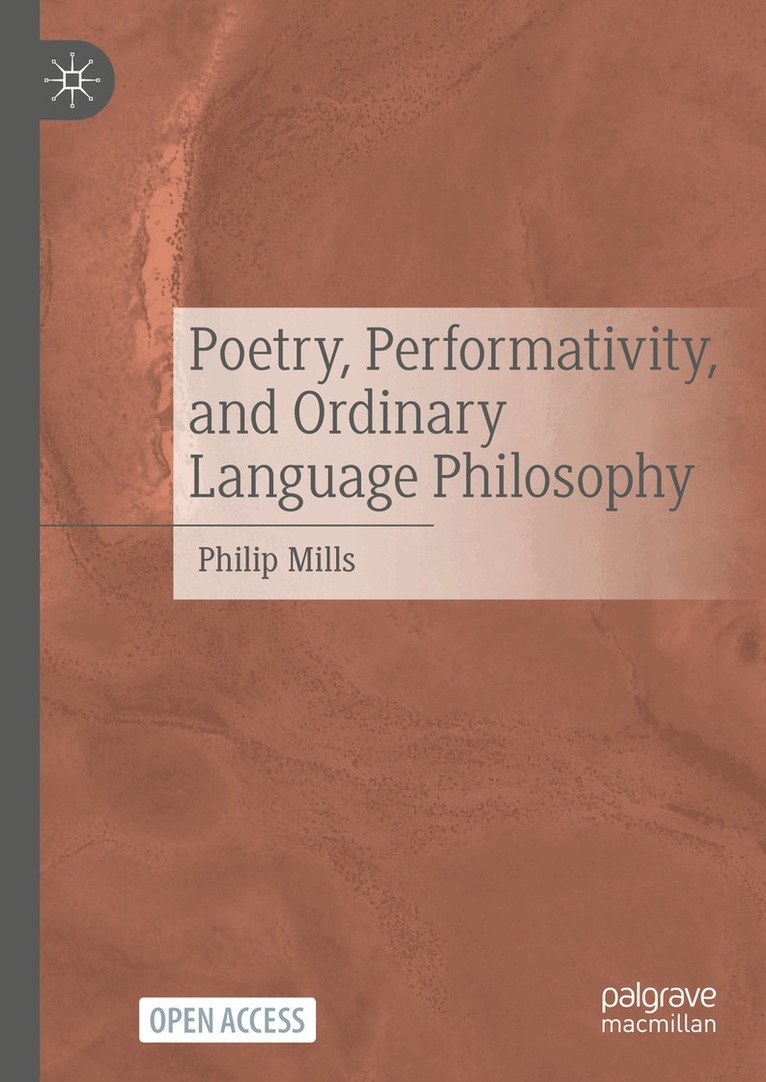
Poetry, Performativity, and Ordinary Language Philosophy
Av Philip Mills
Inbunden, 2025
604 kr
Lägg i varukorg
How can Ordinary Language Philosophy (OLP) help us understand poetry? Against John L. Austin’s exclusion of poetic utterances as parasitical, Philip Mills explores how contemporary poetics broadens the aims and scope of OLP. Through the analysis of French and American poetry that reinterprets …
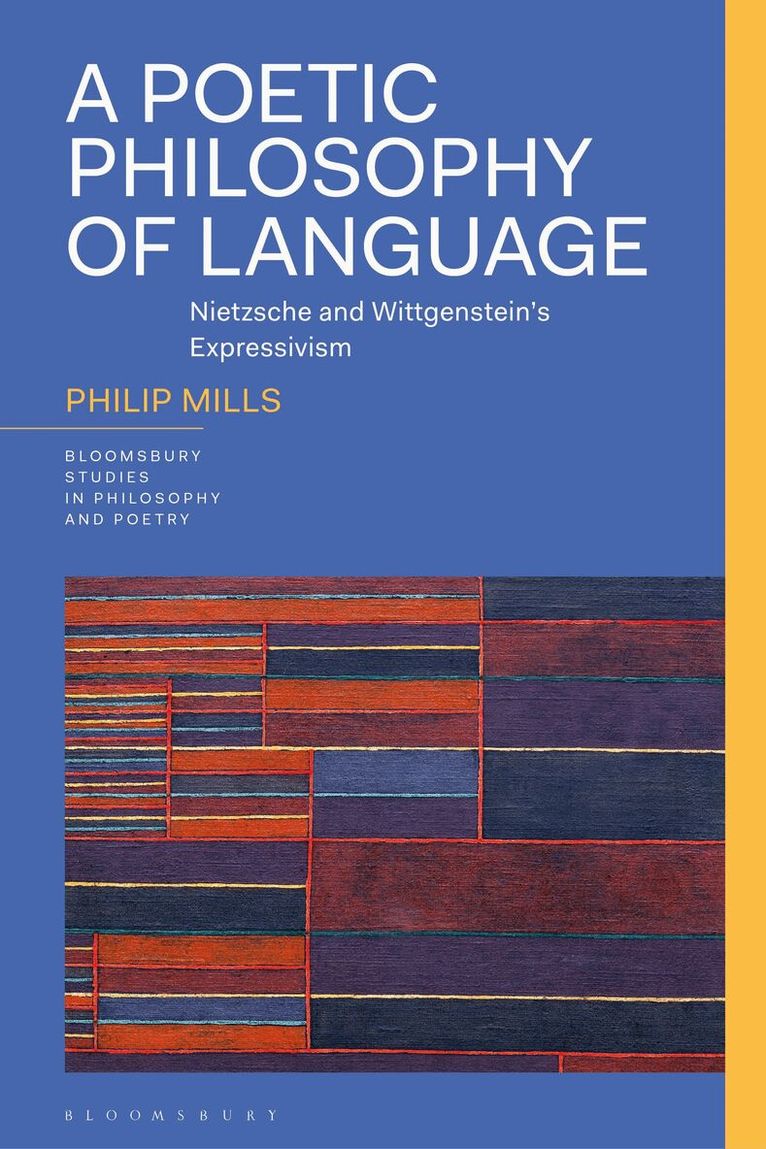
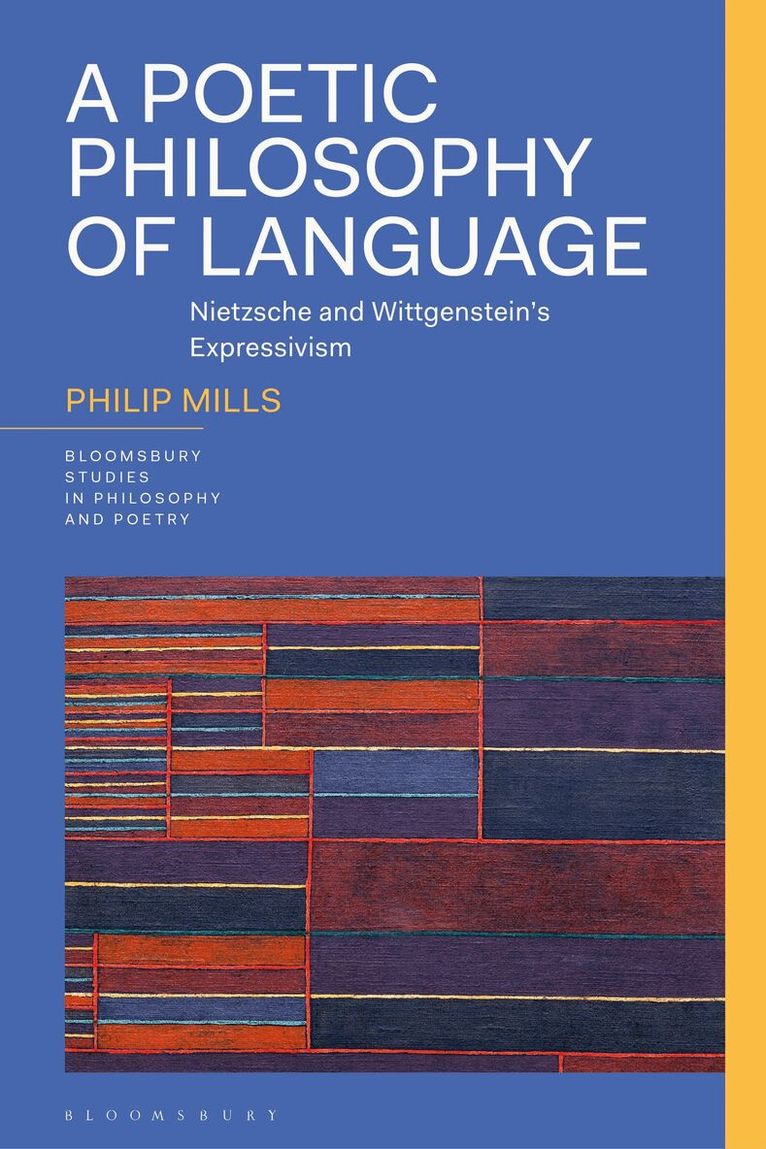
Poetic Philosophy of Language
Nietzsche and Wittgenstein’s Expressivism
Av Philip Mills, James D. Reid
Inbunden, 2022
1551 kr
Lägg i varukorg
Connecting poetry and philosophy of language, Philip Mills bridges the continental and analytical divide by bringing together the writings of Nietzsche and Wittgenstein. Through an expressivist philosophy of poetry, he argues that we can understand some of the core questions in the philosophy of …
Poetic Philosophy of Language
Nietzsche and Wittgenstein’s Expressivism
Av Philip Mills
E-bok, 2022
538 kr
Lägg i varukorg
Connecting poetry and philosophy of language, Philip Mills bridges the continental and analytical divide by bringing together the writings of Nietzsche and Wittgenstein. Through an expressivist philosophy of poetry, he argues that we can understand some of the core questions in the philosophy of …
Poetic Philosophy of Language
Nietzsche and Wittgenstein’s Expressivism
Av Philip Mills
E-bok, 2022
538 kr
Lägg i varukorg
Connecting poetry and philosophy of language, Philip Mills bridges the continental and analytical divide by bringing together the writings of Nietzsche and Wittgenstein. Through an expressivist philosophy of poetry, he argues that we can understand some of the core questions in the philosophy of …
Poetic Philosophy of Language
Nietzsche and Wittgenstein’s Expressivism
Av Philip Mills, James D. Reid
Häftad, 2024
495 kr
Lägg i varukorg
Connecting poetry and philosophy of language, Philip Mills bridges the continental and analytical divide by bringing together the writings of Nietzsche and Wittgenstein. Through an expressivist philosophy of poetry, he argues that we can understand some of the core questions in the philosophy of …
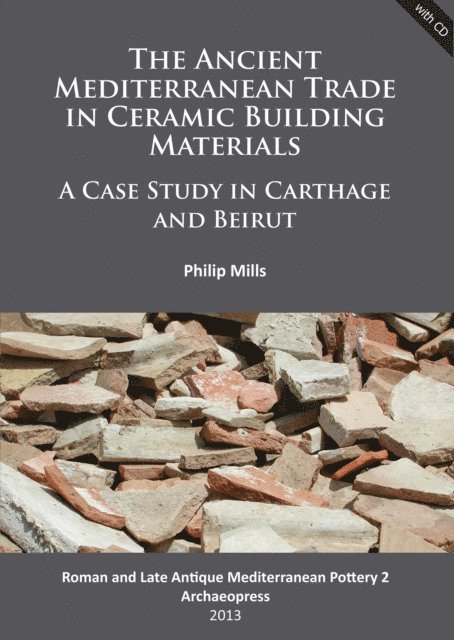
Ancient Mediterranean Trade in Ceramic Building Materials: A Case Study in Carthage and Beirut
Av Philip Mills
E-bok, 2013
335 kr
Lägg i varukorg
This study (the second volume in the Archaeopress series devoted to the publication of ceramics in the Roman Mediterranean and outlying territories from the late Republic to late Antiquity) addresses the level of interregional trade of ceramic building material (CBM), traditionally seen as a high …
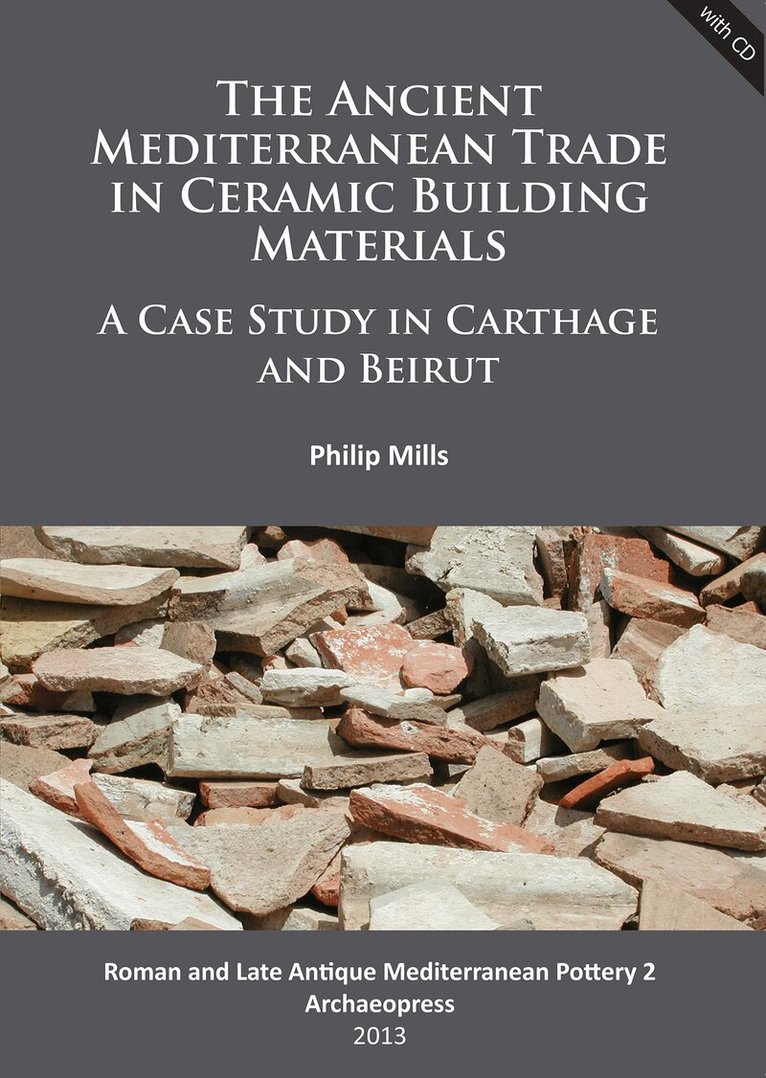
Ancient Mediterranean Trade in Ceramic Building Materials: A Case Study in Carthage and Beirut
Av Philip Mills
Häftad, 2013
479 kr
Lägg i varukorg
This study (the second volume in the Archaeopress series devoted to the publication of ceramics in the Roman Mediterranean and outlying territories from the late Republic to late Antiquity) addresses the level of interregional trade of ceramic building material (CBM), traditionally seen as a high …
Poetry, Performativity, and Ordinary Language Philosophy
Av Philip Mills
Häftad, 2026
485 kr
Lägg i varukorg
How can Ordinary Language Philosophy (OLP) help us understand poetry? Against John L. Austin’s exclusion of poetic utterances as parasitical, Philip Mills explores how contemporary poetics broadens the aims and scope of OLP. Through the analysis of French and American poetry that reinterprets …