Philip Robins - Böcker
Visar alla böcker från författaren Philip Robins. Handla med fri frakt och snabb leverans.
8 produkter
8 produkter
2 088 kr
Skickas inom 10-15 vardagar
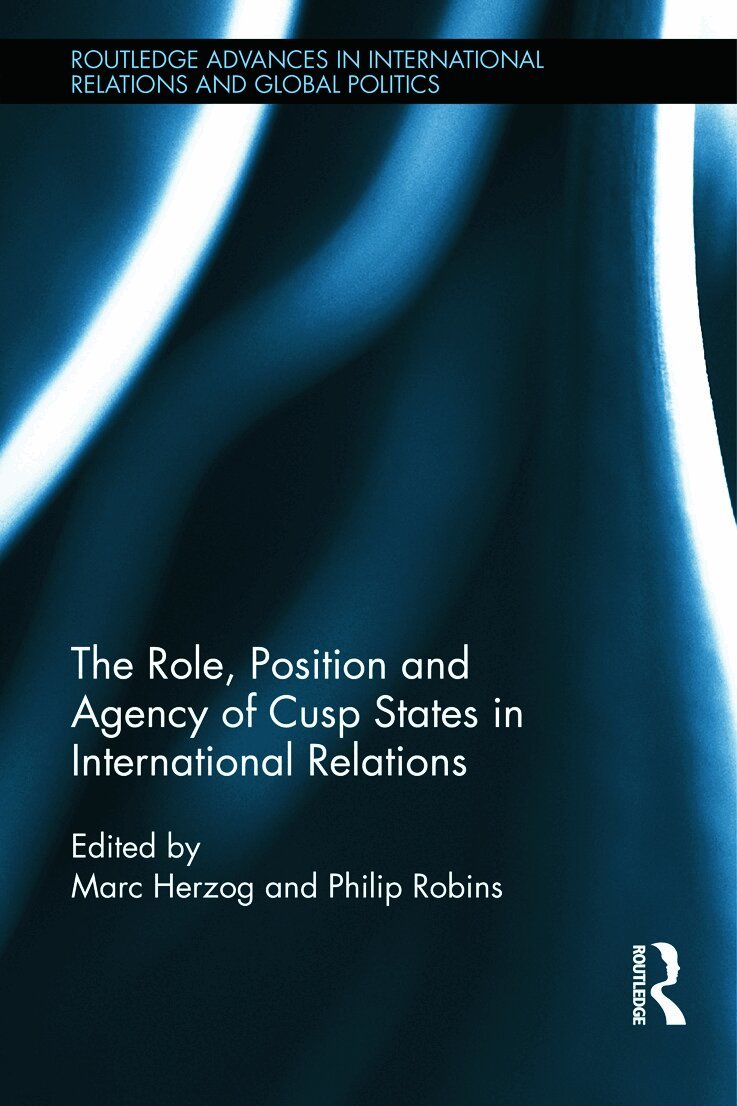
This work seeks to develop a new concept with which to analyse the actions and activities of states that tend to be relatively ignored by the discipline of International Relations (IR).As a discipline, IR has a tendency to lean towards the analytically safe. Given the current and recent dynamism of the international system that is both surprising and undesirable. Arranged around the concept of the idea of the Cusp State (and cuspness more generally), the book consists of empirical analysis of eight different countries Brazil, Iran, Israel, Japan, Mexico, Taiwan, Turkey and Ukraine, defined as ‘states that lie uneasily on the political and/or normative edge of what is widely believed to be an established region’. By focusing on the importance of comparing groups of states, like states with high degrees of ‘cuspness’, this book argues that it is possible to categorise the world in a fresher and more original way, and one which covers more of the globe than either a systemic or regionalist approach would do.This work will be of great interest to students and scholars of Geopolitics, International Security and Regionalism.
972 kr
Skickas inom 5-8 vardagar
366 kr
Skickas inom 5-8 vardagar
1 146 kr
Skickas inom 7-10 vardagar
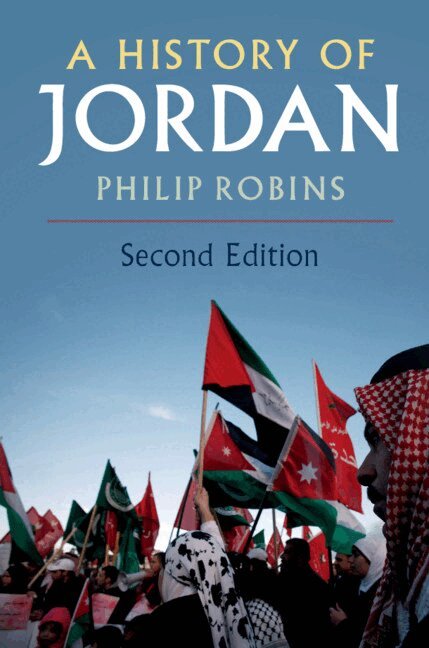
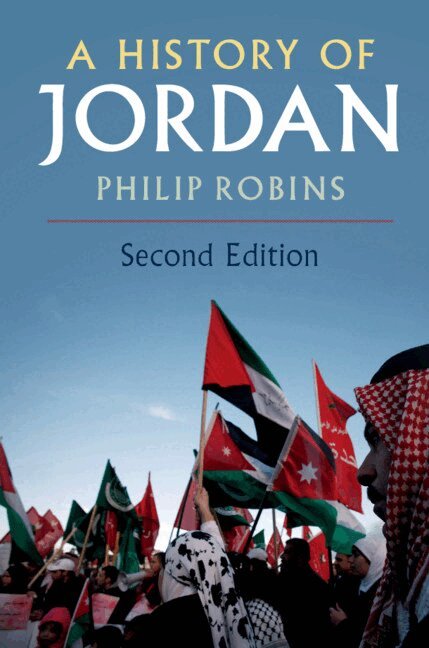
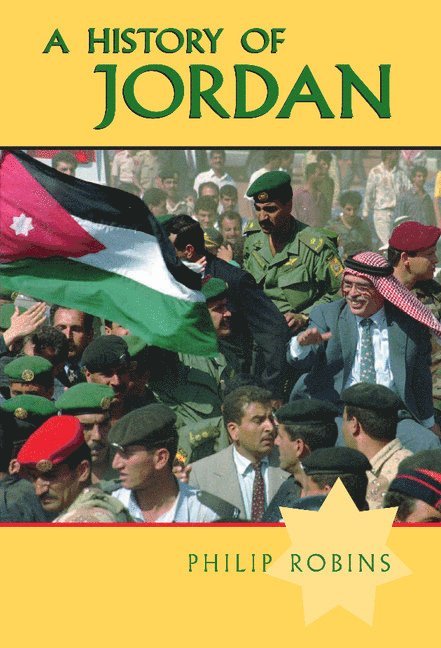
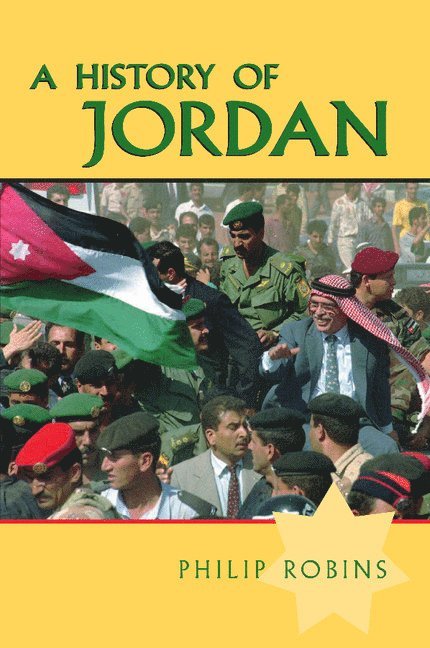
Since the publication of the first edition, substantial changes have occurred in the political landscape of Jordan and the Middle East. King Abdullah II has cemented his rule amidst an onslaught of threats which have faced his kingdom since he succeeded his father in 1999. The Syrian civil war has fundamentally shifted the political context of its neighbouring countries, with Jordan experiencing a huge population explosion as people moved across the border from Syria. This second edition of Robins' accessible and succinct survey of Jordanian political history is an account of a century of events within a country whose fortunes are closely identified with its heads of state. Beginning in the early 1920s in the Mandate years, and now benefiting from new material on the rise of the Muslim Brotherhood, attempts at democratisation, the collapse of the economy, the Jordan Spring and refugee crisis, this new edition featuring original research brings Jordan's political history into the twenty-first century.
357 kr
Skickas inom 7-10 vardagar
Since the publication of the first edition, substantial changes have occurred in the political landscape of Jordan and the Middle East. King Abdullah II has cemented his rule amidst an onslaught of threats which have faced his kingdom since he succeeded his father in 1999. The Syrian civil war has fundamentally shifted the political context of its neighbouring countries, with Jordan experiencing a huge population explosion as people moved across the border from Syria. This second edition of Robins' accessible and succinct survey of Jordanian political history is an account of a century of events within a country whose fortunes are closely identified with its heads of state. Beginning in the early 1920s in the Mandate years, and now benefiting from new material on the rise of the Muslim Brotherhood, attempts at democratisation, the collapse of the economy, the Jordan Spring and refugee crisis, this new edition featuring original research brings Jordan's political history into the twenty-first century.
712 kr
Skickas inom 10-15 vardagar
This work seeks to develop a new concept with which to analyse the actions and activities of states that tend to be relatively ignored by the discipline of International Relations (IR).As a discipline, IR has a tendency to lean towards the analytically safe. Given the current and recent dynamism of the international system that is both surprising and undesirable. Arranged around the concept of the idea of the Cusp State (and cuspness more generally), the book consists of empirical analysis of eight different countries Brazil, Iran, Israel, Japan, Mexico, Taiwan, Turkey and Ukraine, defined as ‘states that lie uneasily on the political and/or normative edge of what is widely believed to be an established region’. By focusing on the importance of comparing groups of states, like states with high degrees of ‘cuspness’, this book argues that it is possible to categorise the world in a fresher and more original way, and one which covers more of the globe than either a systemic or regionalist approach would do.This work will be of great interest to students and scholars of Geopolitics, International Security and Regionalism.
117 kr
Skickas inom 7-10 vardagar
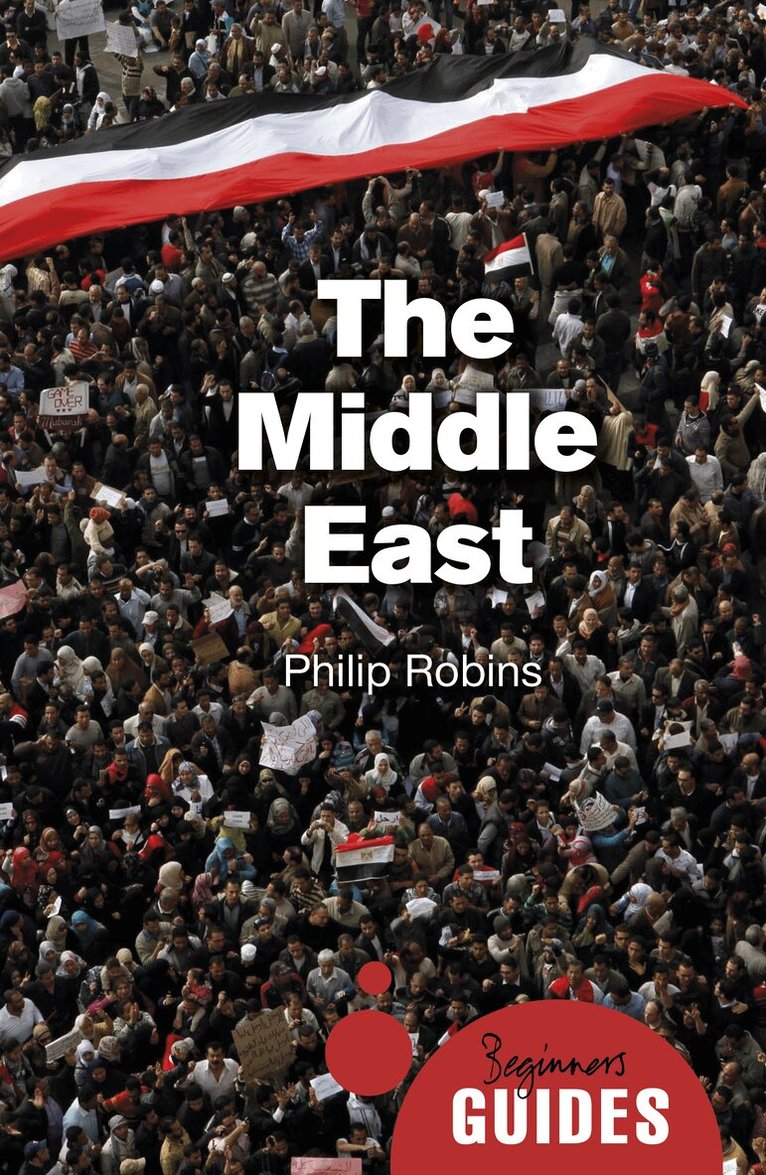
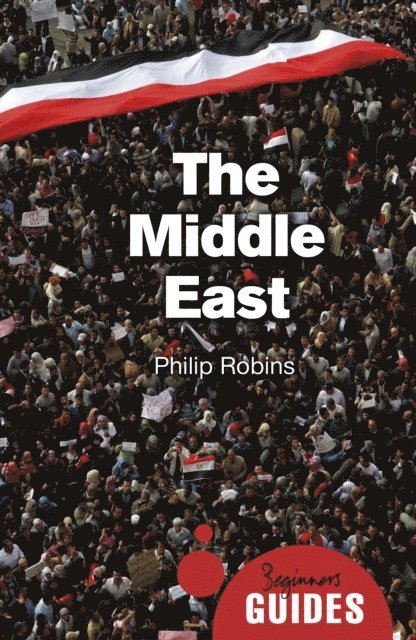
The wave of popular uprisings that swept through the Middle East promised to pave the way for democracy. It brought down dictators and captured the popular imagination, but for most of the region, peace and stability remain as elusive today as they have ever been.In this fully revised introduction, Oxford University’s Philip Robins takes a close look at the issues plaguing the region. With each chapter focusing on a key theme, Robins weaves together the disparate countries into a coherent and entertaining narrative. From leadership and gender to religion and society, The Middle East: A Beginner’s Guide is replete with case studies, astute analysis, profiles of key personalities, and even jokes from the region. There is no better resource for understanding the Middle East, both past and present.
231 kr
Skickas inom 5-8 vardagar
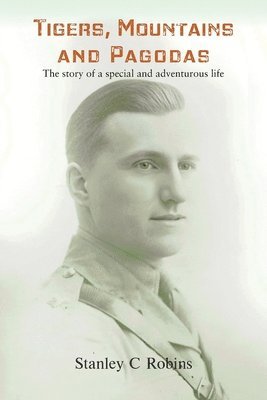
Tigers, Mountains and Pagodas the story of a special and adventurous life At the end of 1923 Stanley Robins passed out of Sandhurst as a prize-winning cadet. He was commissioned into the North Staffordshire regiment, at the time based in British India. Stanley was "thrilled" at this posting as he saw army service in India as the gateway to a "special and adventurous life"; and so it turned out to be.In India Stanley became an expert and highly knowledgeable big game hunter, especially of tigers, including man-eaters and gained a deep affinity with the Indian Jungle and its wildlife. He became a lifelong friend of Jim Corbett; the greatest of the big game hunters. Like Jim he was to be an advocate for wildlife conservation and condemned post World War II hunting methods, especially in Africa.Army postings sent Stanley to the dangerous and volatile North-West Frontier, where "no man's life was safe". He was decorated for gallantry in one of the hardest fought operations on the Frontier. Despite the dangers of nearly constant action against the war-like border tribes he gained a deep knowledge of its people, the country and the culture.Whenever military postings allowed he was keen to visit and learn about the India that had put a "spell" on him; its varied peoples, culture and history and to visit the areas of India rarely seen by most Europeans.As international tensions grew in the late 1930s Stanley was transferred to what became the 14h Army in Burma, playing a vital part in the Allied fighting withdrawal from the "Land of Pagodas" and was decorated for his distinguished service. He was the last man out of Rangoon and the first through the Taukkyan Roadblock, by which the Japanese army hoped to trap Allied forces in Burma, in their lightning campaign.During the Allied liberation of Burma Stanley was personally selected by General Slim, commander of the 14th Army, to ensure effective, critical and growing logistical support for Allied forces, US, Chinese and British, in their advance against the JapaneseAt Indian independence Stanley's actions and decisions on that day prevented what might have been a massacre of Europeans and loyal Indian Army soldiers at Nagpur.