Philipp Jussen – författare
Visar alla böcker från författaren Philipp Jussen. Handla med fri frakt och snabb leverans.
6 produkter
6 produkter
Inbunden, Engelska, 2021
873 kr
Skickas inom 10-15 vardagar
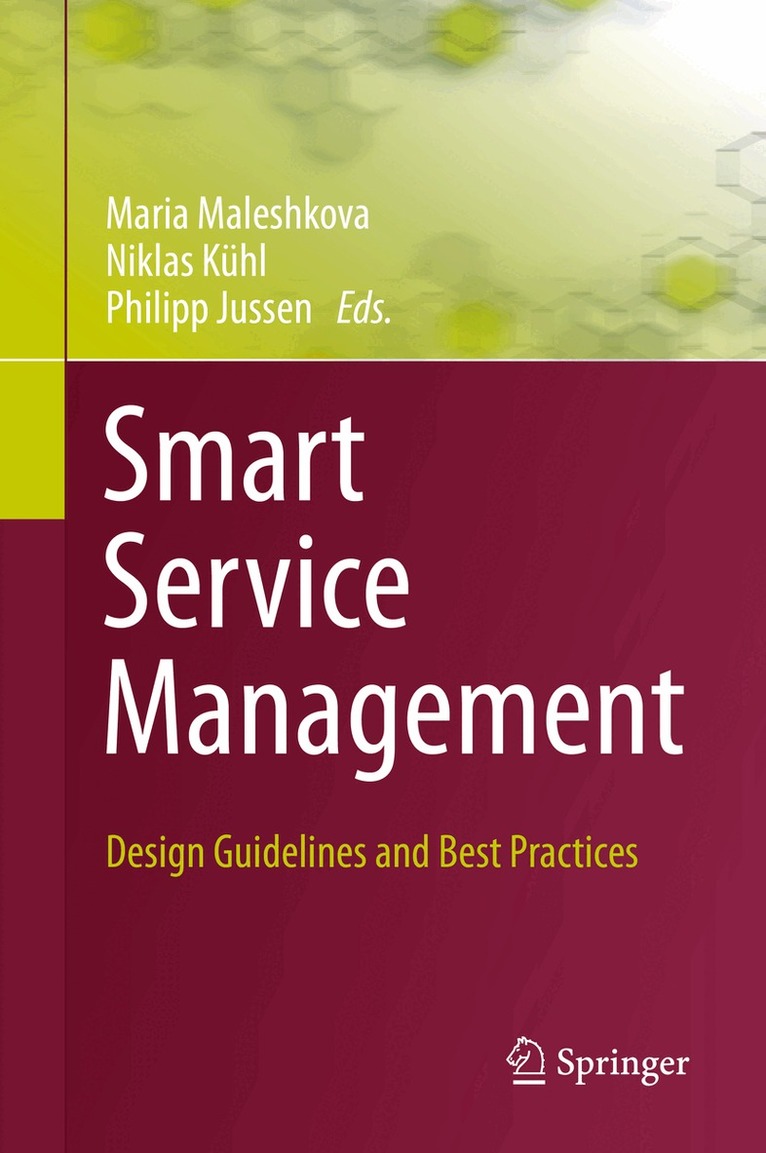
This book presents the main theoretical foundations behind smart services as well as specific guidelines and practically proven methods on how to design them. Furthermore, it gives an overview of the possible implementation architectures and shows how the designed smart services can be realized with specific technologies. Finally, it provides four specific use cases that show how smart services have been realized in practice and what impact they have within the businesses.The first part of the book defines the basic concepts and aims to establish a shared understanding of terms, such as smart services, service systems, smart service systems or cyber-physical systems. On this basis, it provides an analysis of existing work and includes insights on how an organization incorporating smart services could enhance and adjust their management and business processes. The second part on the design of smart services elaborates on what constitutes a successful smart service and describes experiences in the area of interdisciplinary teams, strategic partnerships, the overall service systems and the common data basis. In the third part, technical reference architectures are presented in detail, encompassing topics on the design of digital twins in cyber physical systems, the communication between entities and sensors in the age of Industry 4.0 as well as data management and integration. The fourth part then highlights a number of analytical possibilities that can be realized and that can constitute or be part of smart services, including machine learning and artificial intelligence methods. Finally, the applicability of the introduced design and development method is demonstrated by considering specific real-world use cases. These include services in the industrial and mobility sector, which were developed in direct cooperation with industry partners.The main target audience of this book is industry-focused readers, especially practitioners from industry, who are involved in supporting and managing digital business. These include professionals working in business development, product management, strategy, and development, ranging from middle management to Chief Digital Officers. It conveys all the basics needed for developing smart services and successfully placing them on the market by explaining technical aspects as well as showcasing practical use cases.
E-bok
Engelska, 2021786 kr
Läs direkt efter köp
This book presents the main theoretical foundations behind smart services as well as specific guidelines and practically proven methods on how to design them. Furthermore, it gives an overview of the possible implementation architectures and shows how the designed smart services can be realized with specific technologies. Finally, it provides four specific use cases that show how smart services have been realized in practice and what impact they have within the businesses.
The first part of the book defines the basic concepts and aims to establish a shared understanding of terms, such as smart services, service systems, smart service systems or cyber-physical systems. On this basis, it provides an analysis of existing work and includes insights on how an organization incorporating smart services could enhance and adjust their management and business processes. The second part on the design of smart services elaborates on what constitutes a successful smart service and describes experiences in the area of interdisciplinary teams, strategic partnerships, the overall service systems and the common data basis. In the third part, technical reference architectures are presented in detail, encompassing topics on the design of digital twins in cyber physical systems, the communication between entities and sensors in the age of Industry 4.0 as well as data management and integration. The fourth part then highlights a number of analytical possibilities that can be realized and that can constitute or be part of smart services, including machine learning and artificial intelligence methods. Finally, the applicability of the introduced design and development method is demonstrated by considering specific real-world use cases. These include services in the industrial and mobility sector, which were developed in direct cooperation with industry partners.The main target audience of this book is industry-focused readers, especially practitioners from industry, who are involved in supporting and managing digital business. These include professionals working in business development, product management, strategy, and development, ranging from middle management to Chief Digital Officers. It conveys all the basics needed for developing smart services and successfully placing them on the market by explaining technical aspects as well as showcasing practical use cases.Häftad, Engelska, 2022
624 kr
Skickas inom 10-15 vardagar
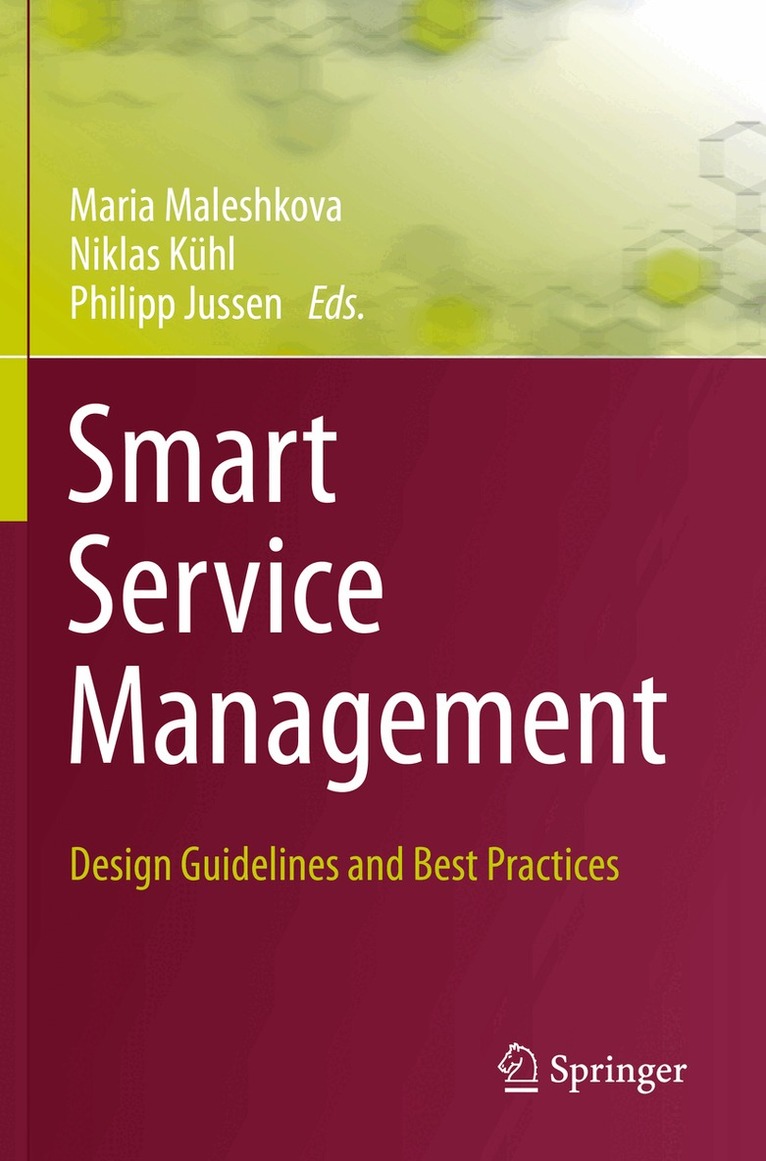
This book presents the main theoretical foundations behind smart services as well as specific guidelines and practically proven methods on how to design them. Furthermore, it gives an overview of the possible implementation architectures and shows how the designed smart services can be realized with specific technologies. Finally, it provides four specific use cases that show how smart services have been realized in practice and what impact they have within the businesses.The first part of the book defines the basic concepts and aims to establish a shared understanding of terms, such as smart services, service systems, smart service systems or cyber-physical systems. On this basis, it provides an analysis of existing work and includes insights on how an organization incorporating smart services could enhance and adjust their management and business processes. The second part on the design of smart services elaborates on what constitutes a successful smart service and describes experiences in the area of interdisciplinary teams, strategic partnerships, the overall service systems and the common data basis. In the third part, technical reference architectures are presented in detail, encompassing topics on the design of digital twins in cyber physical systems, the communication between entities and sensors in the age of Industry 4.0 as well as data management and integration. The fourth part then highlights a number of analytical possibilities that can be realized and that can constitute or be part of smart services, including machine learning and artificial intelligence methods. Finally, the applicability of the introduced design and development method is demonstrated by considering specific real-world use cases. These include services in the industrial and mobility sector, which were developed in direct cooperation with industry partners.The main target audience of this book is industry-focused readers, especially practitioners from industry, who are involved in supporting and managing digital business. These include professionals working in business development, product management, strategy, and development, ranging from middle management to Chief Digital Officers. It conveys all the basics needed for developing smart services and successfully placing them on the market by explaining technical aspects as well as showcasing practical use cases.
Inbunden, Tyska, 2019
918 kr
Skickas inom 10-15 vardagar
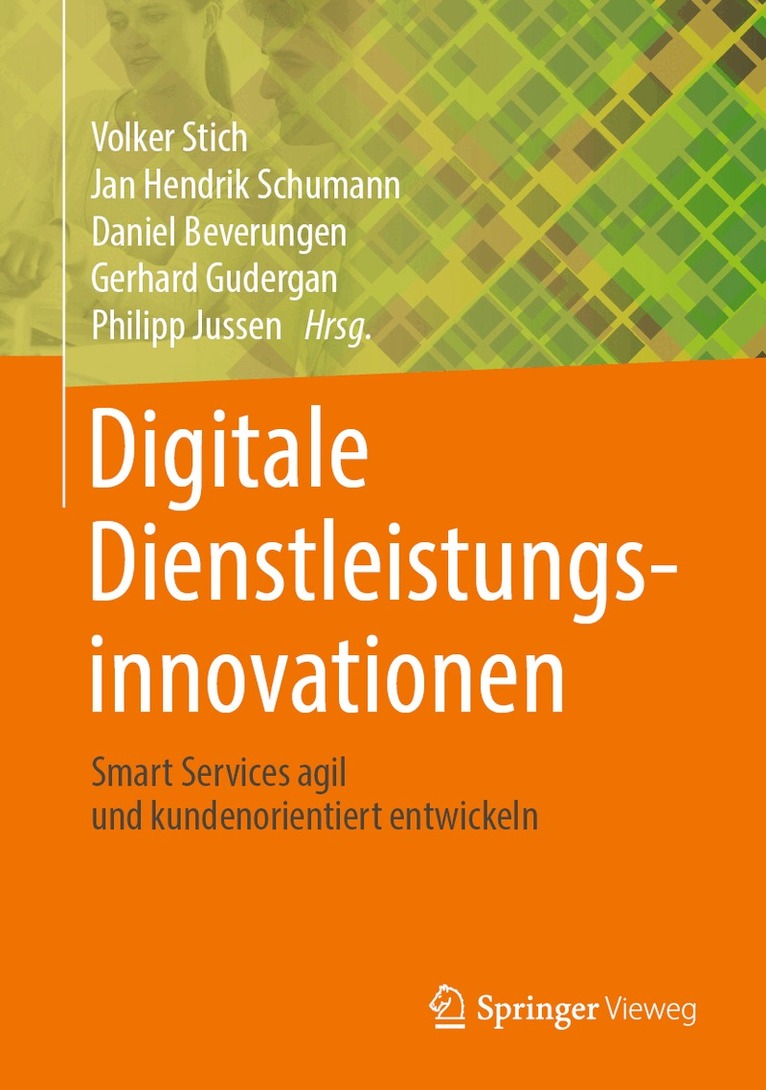
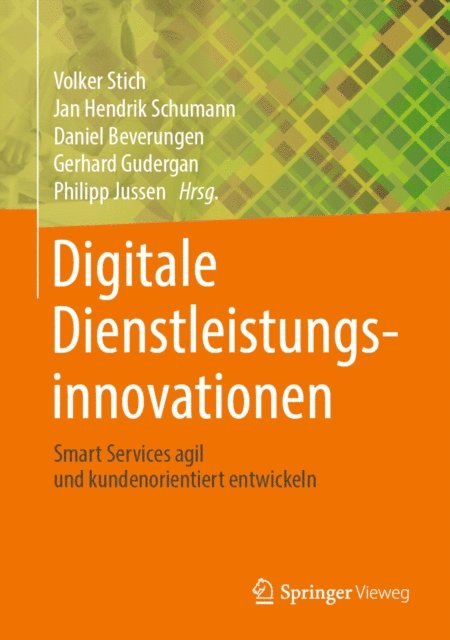
Dieser Herausgeberband stellt Grundlagen und unternehmensspezifische Anwendungsbeispiele digitaler Dienstleistungsinnovationen vor, die in 23 Verbundforschungsprojekten der BMBF-Förderlinie “Dienstleistungsinnovation durch Digitalisierung“ entwickelt worden sind. Zunächst werden neue Methoden für die Entwicklung digitaler, datenbasierter Dienstleistungen vermittelt und anhand von Umsetzungsbeispielen veranschaulicht. Dabei wird beispielsweise der Vergleich von klassischen Methoden des Service Engineerings mit neuen agilen Vorgehensweisen gezogen. Darauf aufbauend werden Potenziale digitaler und virtualisierter Dienstleistungsprozesse aufgezeigt. Darüber hinaus wird die unternehmensinterne Transformation durch digitale Dienstleistungen untersucht, indem übergeordnete Muster der Veränderungen betrachtet und Leitlinien für die erfolgreiche Transformation ausgearbeitet werden. Schließlich werden Veränderungen im Markt durch das zunehmende Angebot von digitalen Dienstleistungen beleuchtet und strategische Erfolgsfaktoren für die Digitalisierung der Kundenschnittstelle in Dienstleistungssystemen herausgearbeitet. Der Herausgeberband vermittelt Fachexperten und Entscheidungsträgern in Unternehmen somit neuestes Methodenwissen, erfolgreiche Anwendungsbeispiele sowie einen klaren Navigationsrahmen für die Einführung und das Management innovativer, digitaler Dienstleistungen.
E-bok
Tyska, 2019916 kr
Läs direkt efter köp
Dieser Herausgeberband stellt Grundlagen und unternehmensspezifische Anwendungsbeispiele digitaler Dienstleistungsinnovationen vor, die in 23 Verbundforschungsprojekten der BMBF-Förderlinie “Dienstleistungsinnovation durch Digitalisierung“ entwickelt worden sind. Zunächst werden neue Methoden für die Entwicklung digitaler, datenbasierter Dienstleistungen vermittelt und anhand von Umsetzungsbeispielen veranschaulicht. Dabei wird beispielsweise der Vergleich von klassischen Methoden des Service Engineerings mit neuen agilen Vorgehensweisen gezogen. Darauf aufbauend werden Potenziale digitaler und virtualisierter Dienstleistungsprozesse aufgezeigt. Darüber hinaus wird die unternehmensinterne Transformation durch digitale Dienstleistungen untersucht, indem übergeordnete Muster der Veränderungen betrachtet und Leitlinien für die erfolgreiche Transformation ausgearbeitet werden. Schließlich werden Veränderungen im Markt durch das zunehmende Angebot von digitalen Dienstleistungen beleuchtet und strategische Erfolgsfaktoren für die Digitalisierung der Kundenschnittstelle in Dienstleistungssystemen herausgearbeitet. Der Herausgeberband vermittelt Fachexperten und Entscheidungsträgern in Unternehmen somit neuestes Methodenwissen, erfolgreiche Anwendungsbeispiele sowie einen klaren Navigationsrahmen für die Einführung und das Management innovativer, digitaler Dienstleistungen.
E-bok
PDF, Tyska, 2016406 kr
Läs direkt efter köp
Im Bereich der industriellen Dienstleistungen kommt dem produktivitätsorientierten Management eine zentrale Bedeutung zu. Die vorliegende Arbeit erklärt das Verhalten von Dienstleistungsproduktionssystemen unter Berücksichtigung des menschlichen Arbeitsverhaltens und bildet die Wirkungsweise auf Basis von Kennlinien ab. Hierzu wird zum einen ein produktionstheoretisches Modell und zum anderen ein systemdynamisches Modell der industriellen Dienstleistungsproduktion entwickelt.