
Philipp von Wussow – författare
Visar alla böcker från författaren Philipp von Wussow. Handla med fri frakt och snabb leverans.
3 produkter
3 produkter
Inbunden, Engelska, 2020
1 558 kr
Skickas inom 3-6 vardagar
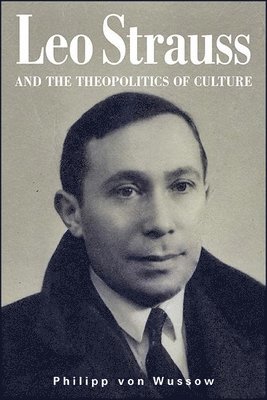
This archive-based study of the philosophy of Leo Strauss provides in-depth interpretations of key texts and their larger theoretical contexts.2020 CHOICE Outstanding Academic Title In this book, Philipp von Wussow argues that the philosophical project of Leo Strauss must be located in the intersection of culture, religion, and the political. Based on archival research on the philosophy of Strauss, von Wussow provides in-depth interpretations of key texts and their larger theoretical contexts. Presenting the necessary background in German-Jewish philosophy of the interwar period, von Wussow then offers detailed accounts and comprehensive interpretations of Strauss's early masterwork, Philosophy and Law, his wartime lecture "German Nihilism," the sources and the scope of Strauss's critique of modern "relativism," and a close commentary on the late text "Jerusalem and Athens." With its rare blend of close reading and larger perspectives, this book is valuable for students of political philosophy, continental thought, and twentieth-century Jewish philosophy alike. It is indispensable as a guide to Strauss's philosophical project, as well as to some of the most intricate details of his writings.
Häftad, Engelska, 2021
490 kr
Skickas inom 5-8 vardagar
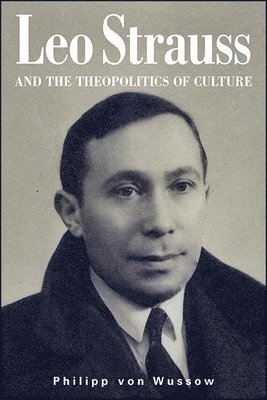
This archive-based study of the philosophy of Leo Strauss provides in-depth interpretations of key texts and their larger theoretical contexts.2020 CHOICE Outstanding Academic Title In this book, Philipp von Wussow argues that the philosophical project of Leo Strauss must be located in the intersection of culture, religion, and the political. Based on archival research on the philosophy of Strauss, von Wussow provides in-depth interpretations of key texts and their larger theoretical contexts. Presenting the necessary background in German-Jewish philosophy of the interwar period, von Wussow then offers detailed accounts and comprehensive interpretations of Strauss's early masterwork, Philosophy and Law, his wartime lecture "German Nihilism," the sources and the scope of Strauss's critique of modern "relativism," and a close commentary on the late text "Jerusalem and Athens." With its rare blend of close reading and larger perspectives, this book is valuable for students of political philosophy, continental thought, and twentieth-century Jewish philosophy alike. It is indispensable as a guide to Strauss's philosophical project, as well as to some of the most intricate details of his writings.
E-bok
Tyska, 2023136 kr
Läs direkt efter köp
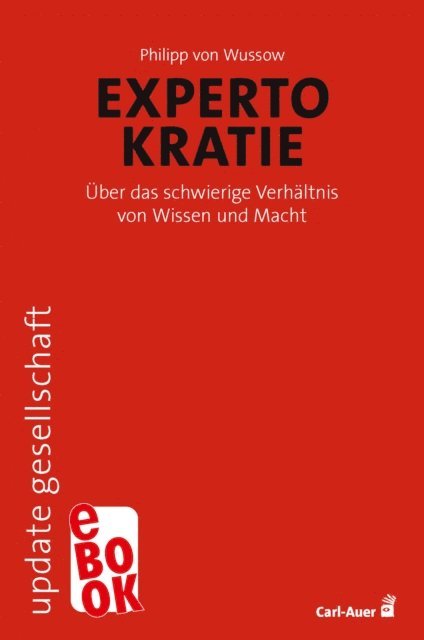
Expertokratie – dieses Buzzword ist spätestens seit der Corona-Pandemie in aller Munde. Doch sobald wir genauer überlegen, was damit gemeint ist, verschwimmt seine Bedeutung. Hat die Kritik an der Expertokratie überhaupt einen Sinn, wenn sie sich gleichermaßen gegen die EU-Bürokratie, die sogenannte Davos-Elite und die Corona-Politik der Bundesregierung richtet?Es fällt auf, dass heute ähnliche Fragen zum Verhältnis von Wissen und Macht auftauchen, wie sie schon von antiken Philosophen gestellt wurden: Was wissen Experten überhaupt, und was macht ihr Wissen überlegen? Welche Probleme ergeben sich, wenn wissenschaftliche Erkenntnisse in die Politik übertragen werden? Ist Expertokratie demokratisch? Und wie können wir die Expertokratie sinnvoll kritisieren, ohne auf Expertise zu verzichten?Philipp von Wussow zeichnet in seinem Essay die geistesgeschichtlichen und begrifflichen Unschärfen eines neuen Leitbegriffs nach und stellt die überraschende These auf: Wir brauchen mehr Mut zum Nichtwissen.