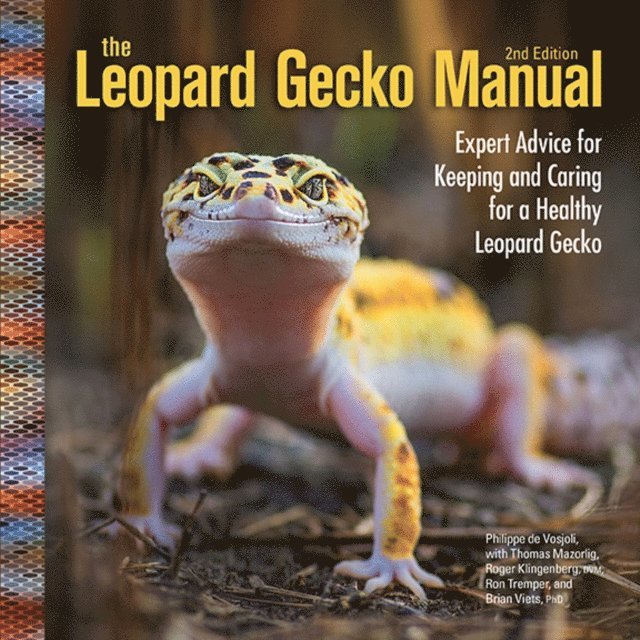
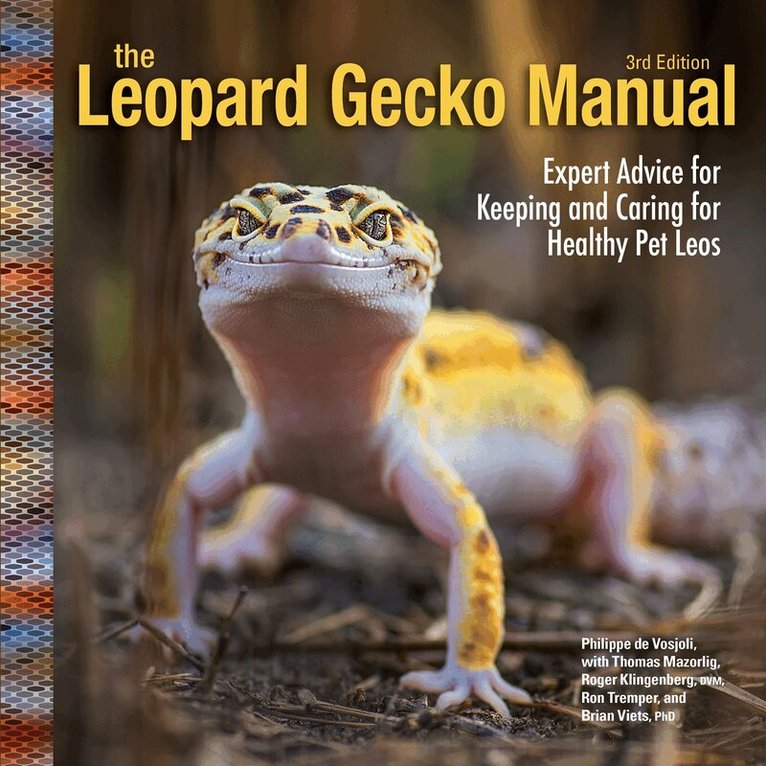
The leopard gecko has fast become the reptilian version of the parakeet or goldfish. Considered to be the first domesticated species of lizard, the leopard gecko is attractive, perfectly sized, and easy to breed. Leopard Gecko Manual takes a close look at all the characteristics that have made these attractive lizards so amazingly popular in the pet world. Written by a team of herpetoculture experts and gecko specialists, this up-to-date and authoritative guide provides reliable guidelines for keepers who wish to add a gecko to their vivarium and maintain their pet in excellent health and condition. This second edition is revised and expanded to include new sections on Gecko nutrition and feeding, housing, breeding, and banded Geckos. Inside the Leopard Gecko Manual: How to select leopard geckos as pets or for breeding Understanding the anatomy and behavior of these fascinating lizards Feeding your leopard gecko a nutritionally sound diet, with the latest insights on feeder insects and prepared foods How to design and maintain the ideal naturalistic habitat for your leopard gecko Detailed information on all aspects of breeding, egg-laying, and incubation What you need to know about skin shedding cycles and tail loss Recognizing signs of disease and how to handle health issues Special chapters on African fat-tailed geckos and other eublepharids
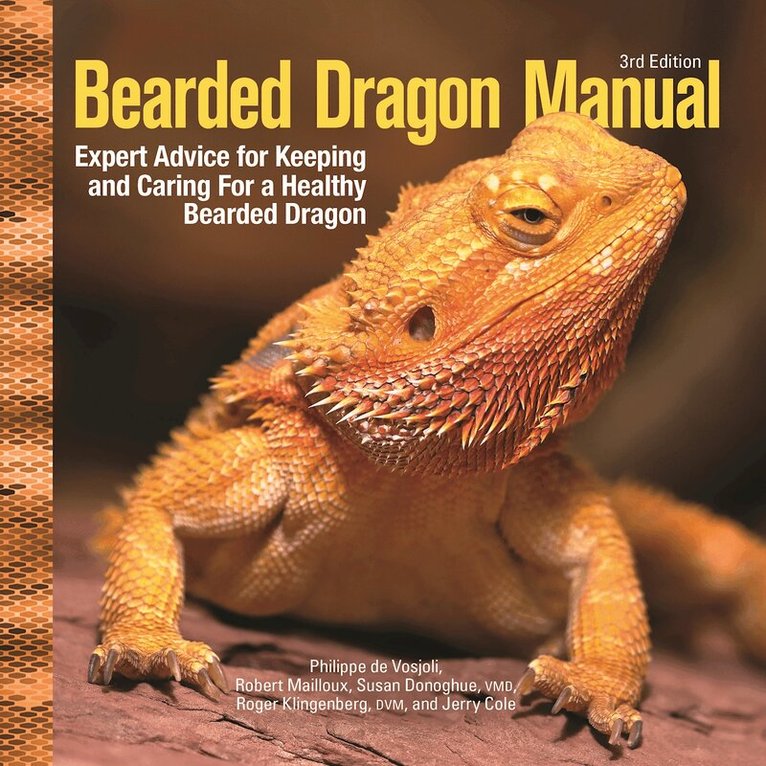
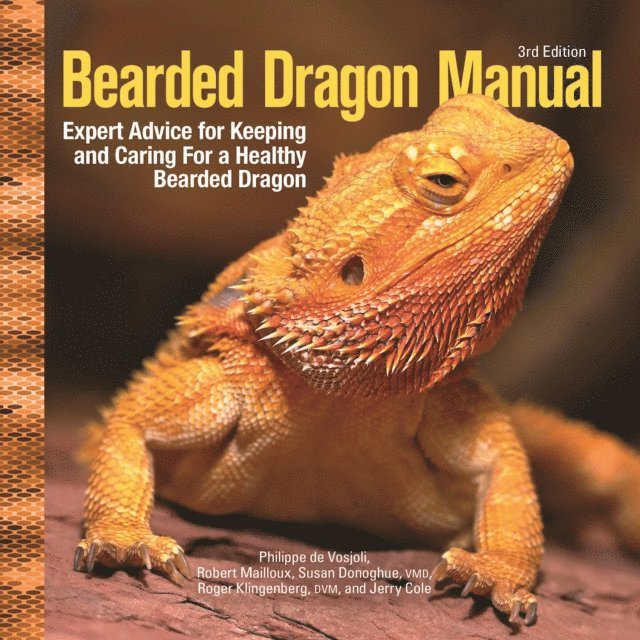
Notorious for being one of the best reptiles to have as a pet, the bearded dragon is a well-known favorite. This new edition of the best-selling The Bearded Dragon Manual is packed with valuable information that will help you learn how to take quality care of your pet and provides a close look at all the characteristics that have made these attractive lizards so popular. From breeding, egg-laying, and basic genetics to creating a comfortable habitat, understanding typical bearded dragon behavior and personality quirks, diet and nutrition, and so much more, each detailed chapter will help bring you closer to this remarkable reptile! Also included are insightful answers to dragon owners’ frequently asked questions on tank size, feeder crickets, shedding issues, tail rot, and more. New edition includes updated information on care and feeding, breeding, habitat, and habits, as well as eight new sections.
Considered to be the first domesticated species of lizard - and one of the heartiest of all lizard species - the leopard gecko is attractive, perfectly sized, and easy to breed. The Leopard Gecko Manual takes a close look at all the characteristics that have made these attractive lizards so amazingly popular in the pet world. Herpetocultural authority Philippe de Vosjoli is joined by a team of experts and gecko specialists to author this up-to-date and authoritative resource that provides reliable guidelines for keepers who wish to add a gecko to their vivarium and maintain their pet in excellent health and condition. Topics include selecting a gecko, understanding the anatomy and behavior, nutrition, habitat, shedding cycles, and more! Also included is a special section on African fat-tailed geckos and other eublepharids. Keep your leopard gecko happy and healthy with this comprehensive guide.
Notorious for being one of the best reptiles to have as a pet, the bearded dragon is a well-known favorite. This new edition of the best-selling The Bearded Dragon Manual is packed with valuable information that will help you learn how to take quality care of your pet and provides a close look at all the characteristics that have made these attractive lizards so popular. From breeding, egg-laying, and basic genetics to creating a comfortable habitat, understanding typical bearded dragon behavior and personality quirks, diet and nutrition, and so much more, each detailed chapter will help bring you closer to this remarkable reptile! Also included are insightful answers to dragon owners'' frequently asked questions on tank size, feeder crickets, shedding issues, tail rot, and more. New edition includes updated information on care and feeding, breeding, habitat, and habits, as well as eight new sections.
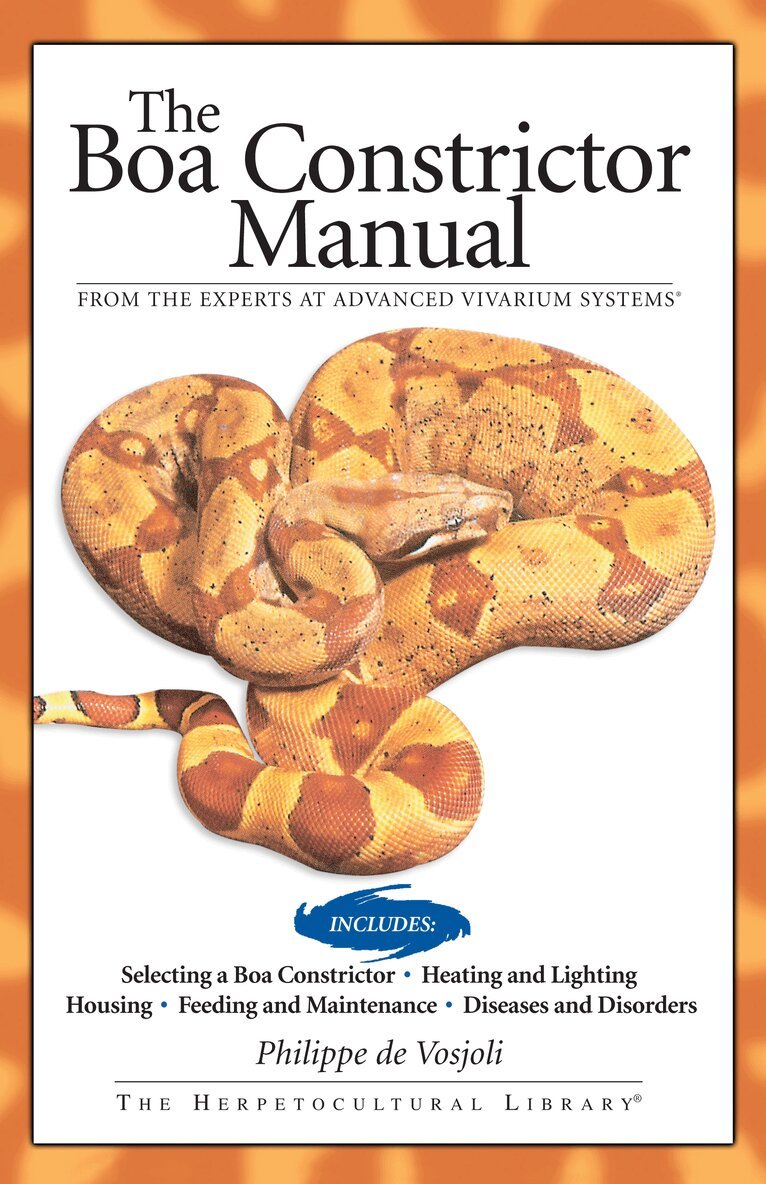
Still the most popular large snake in the pet world, the boa constrictor of South America is a hardy, beautiful snake that is fairly docile and considered safe when handled properly. In The Boa Constrictor Manual, world-renowned herp expert Philippe de Vosjoli has written a concise and useful guide, well illustrated with color photographs, that offers all of the information a boa keeper needs to maintain a pet snake safely and in the best of health. This Advanced Vivarium Systems title includes information about selecting and purchasing a healthy boa constrictor, proper housing and maintenance needs, feeding, and safe handling. Dr. Roger Klingenberg, a herp veterinary specialist, has written a special health chapter on diseases and disorders, with particular emphasis on the dreaded boa AIDS (inclusion body disease or IBD) as well as parasitism, respiratory disease, and more. The chapter concludes with a six-page chart on troubleshooting health concerns, which all boa constrictor keepers will find useful for general upkeep and recognizing and dealing with serious issues. Beyond the husbandry and health of boa constrictors, this book offers an excellent chapter by Jeff Ronne on breeding Colombia boa constrictors, beginning with the size and health of breeding and animals and the female’s cycling to the birth and care of newborns. Resources and index included.