Philippe Erikson – författare
Visar alla böcker från författaren Philippe Erikson. Handla med fri frakt och snabb leverans.
2 produkter
2 produkter
E-bok
PDF, Spanska, 201978 kr
Läs direkt efter köp
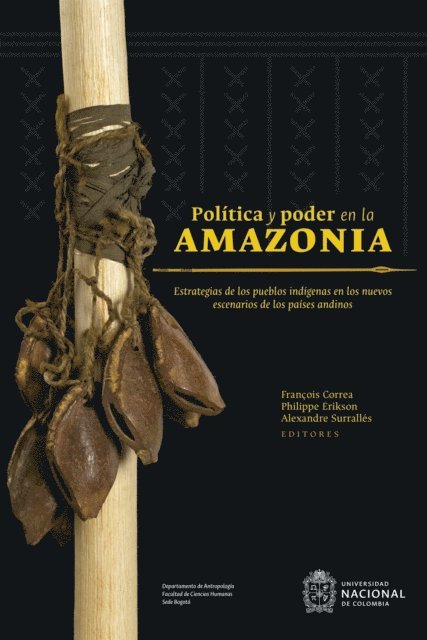
Este libro recoge las ponencias del Congreso realizado en Bogotá entre el 22 y 23 de octubre de 2015 por el grupo de investigación internacional Antropología Política Contemporánea en la Amazonia Occidental, adscrito al Centre National de la Recherche Scientifique de Francia. Los autores anali- zan la lógica de la gobernanza estatal en la Amazonia de los países andinos, las respuestas de los movimientos indígenas y las novedosas formas de hacer política que, apoyadas en sus tradiciones, estos implementan con el fin de encarar y negociar su participación en las sociedades estatalizadas. Es nues- tra expectativa que sus aportes contribuyan a develar las estrategias que los indígenas implementan en respuesta a las políticas públicas, a esclarecer el ejercicio del poder tradicional y a precisar el desempeño de los "nuevos" líderes en la arena política del Estado. Pero, sobre todo, es nuestra aspiración que este libro contribuya a la construcción de relaciones equitativas entre las poblaciones indígenas de las selvas amazónicas con las sociedades y Estados de los países andinos.
Inbunden, Engelska, 2022
381 kr
Tillfälligt slut
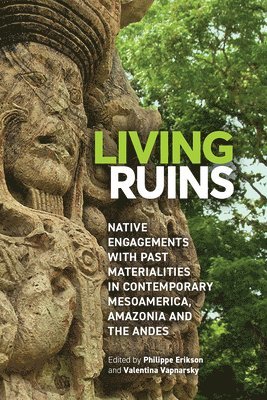
Ruins and remnants of the past are endowed with life, rather than mere relics handed down from previous generations. Living Ruins explores some of the ways Indigenous people relate to the material remains of human activity and provides an informed and critical stance that nuances and contests institutionalized patrimonialization discourse on vestiges of the past in present landscapes. Ten case studies from the Maya region, Amazonia, and the Andes detail and contextualize narratives, rituals, and a range of practices and attitudes toward different kinds of vestiges. The chapters engage with recently debated issues such as regimes of historicity and knowledge, cultural landscapes, conceptions of personhood and ancestrality, artifacts, and materiality. They focus on Indigenous perspectives rather than mainstream narratives such as those mediated by UNESCO, Hollywood, travel agents, and sometimes even academics. The contributions provide critical analyses alongside a multifaceted account of how people relate to the place/time nexus, expanding our understanding of different ontological conceptualizations of the past and their significance in the present. Living Ruins adds to the lively body of work on the invention of tradition, Indigenous claims on their lands and history, “retrospective ethnogenesis,” and neo-Indianism in a world where tourism, NGOs, and Western essentialism are changing Indigenous attitudes and representations. This book is significant to anyone interested in cultural heritage studies, Amerindian spirituality, and Indigenous engagement with archaeological sites in Latin America. Contributors: Cedric Becquey, Laurence Charlier Zeineddine, Marie Chosson, Pablo Cruz, Philippe Erikson, Antoinette Molinié, Fernando Santos-Granero, Emilie Stoll, Valentina Vapnarsky, Pirjo Kristiina Virtanen