Philippe Le Goff – författare
Visar alla böcker från författaren Philippe Le Goff. Handla med fri frakt och snabb leverans.
3 produkter
3 produkter
1 476 kr
Skickas inom 10-15 vardagar
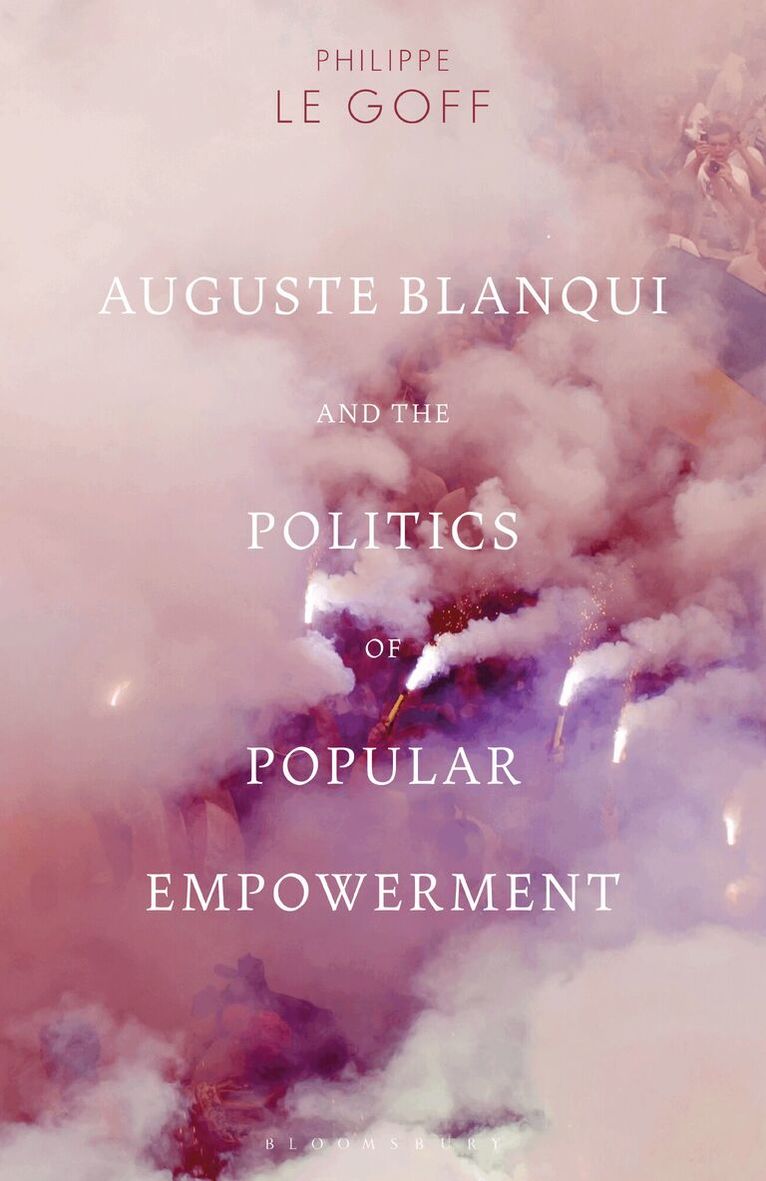
Few individuals made such an impact on nineteenth-century French politics as Louis-Auguste Blanqui (1805-1881). Political organiser, leader, propagandist and prisoner, Blanqui was arguably the foremost proponent of popular power to emerge after the French Revolution. Practical engagement in all the major uprisings that spanned the course of his life – 1830, 1848, 1870-71 – was accompanied by theoretical reflections on a broad range of issues, from free will and fatalism to public education and individual development. Since his death, however, Blanqui has not been simply overlooked or neglected; his name has widely become synonymous with theoretical misconception and practical misadventure.Auguste Blanqui and the Politics of Popular Empowerment offers a major re-evaluation of one the most controversial figures in the history of revolutionary politics. The book draws extensively on Blanqui's manuscripts and published works, as well as writings only recently translated into English for the first time. Through a detailed reconstruction and critical analysis of Blanqui's political thought, it challenges the prevailing image of an unthinking insurrectionist and rediscovers a forceful and compelling theory of collective political action and radical social change. It suggests that some of Blanqui's fundamental assumptions – from the insistence on the primacy of subjective determination to the rejection of historical necessity – are still relevant to politics today.
410 kr
Skickas
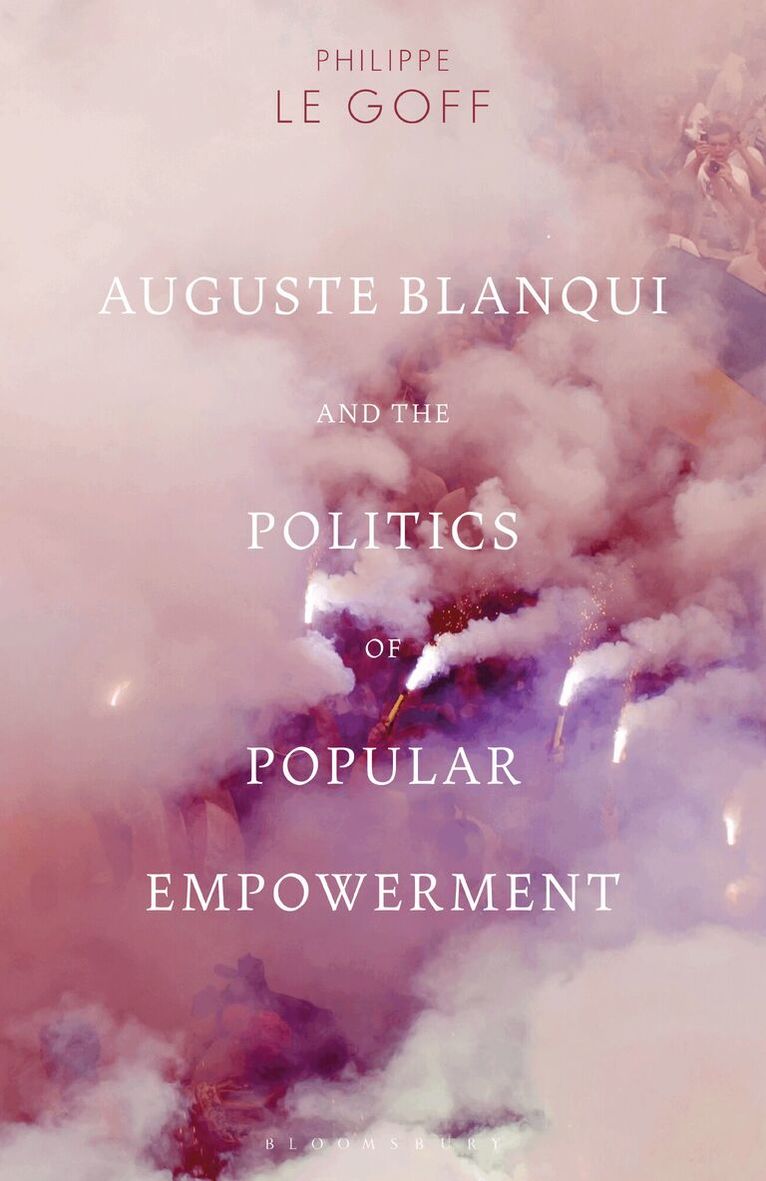
Few individuals made such an impact on nineteenth-century French politics as Louis-Auguste Blanqui (1805-1881). Political organiser, leader, propagandist and prisoner, Blanqui was arguably the foremost proponent of popular power to emerge after the French Revolution. Practical engagement in all the major uprisings that spanned the course of his life – 1830, 1848, 1870-71 – was accompanied by theoretical reflections on a broad range of issues, from free will and fatalism to public education and individual development. Since his death, however, Blanqui has not been simply overlooked or neglected; his name has widely become synonymous with theoretical misconception and practical misadventure.Auguste Blanqui and the Politics of Popular Empowerment offers a major re-evaluation of one the most controversial figures in the history of revolutionary politics. The book draws extensively on Blanqui's manuscripts and published works, as well as writings only recently translated into English for the first time. Through a detailed reconstruction and critical analysis of Blanqui's political thought, it challenges the prevailing image of an unthinking insurrectionist and rediscovers a forceful and compelling theory of collective political action and radical social change. It suggests that some of Blanqui's fundamental assumptions – from the insistence on the primacy of subjective determination to the rejection of historical necessity – are still relevant to politics today.
1 087 kr
Tillfälligt slut
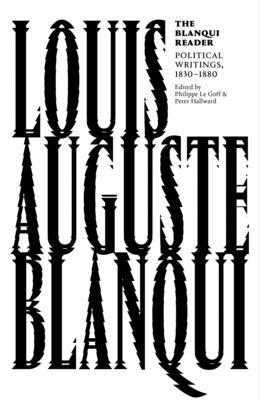
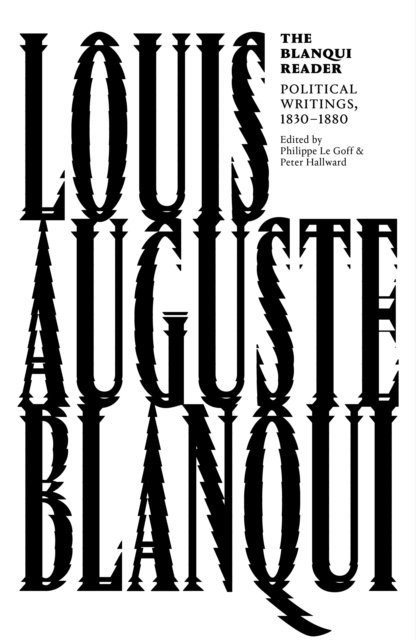
Louis-Auguste Blanqui (1805-1881) was one of the most important and controversial figures in nineteenth-century French revolutionary politics, and he played a major role in all of the great upheavals that punctuated his life - the insurrections of 1830, 1848 and 1870-71. Adamant that a just and egalitarian society can only be established by revolutionary means, he recognised that no revolution can succeed if it fails to overcome the coercive resources of the state, and no revolutionary government can endure if it betrays the principles that alone earn and deserve mass support.At odds with followers of Proudhon on the one hand and of Marx on the other, while Blanqui commanded unrivalled authority in French revolutionary circles during parts of his own lifetime he was quickly forgotten (if not derided) after his death. This is the first collection of Blanqui's political writings ever published in English, and it includes new and complete translations of his best known texts: Instructions for an Armed Uprising, and Eternity by the Stars. With material drawn from all his main publications and speeches, as well as from the full sweep of his voluminous manuscripts and correspondence, this wide-ranging anthology will enable anglophone readers and political activists to arrive at their own critical assessment of Blanqui's thought and legacy for the first time.