Philippus Wester - Böcker
Visar alla böcker från författaren Philippus Wester. Handla med fri frakt och snabb leverans.
5 produkter
5 produkter
1 819 kr
Skickas inom 10-15 vardagar
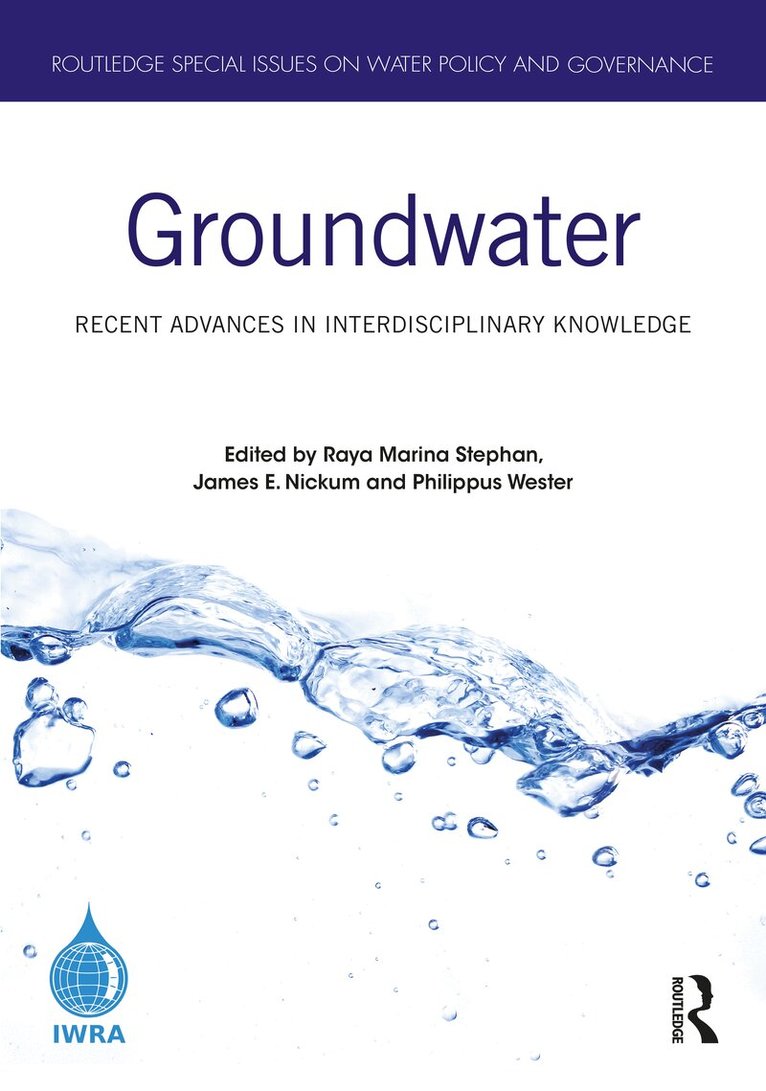
Groundwater is invisible, but its impact is visible everywhere. Everything around us relies on groundwater, our drinking water and sanitation, our food supply and our natural environment. Yet because it is invisible, information, management and governance of groundwater is often poor and inadequate. This book contributes to UN Water Groundwater year (2022), and to the effort of “making the invisible, visible”. Through worldwide case studies ranging from the Americas (California, Brazil), to Asia (India, Iran, Lao PDR, Nepal), Africa (Malawi, Tanzania, South Africa) and the MENA region (Lebanon, Morocco, Yemen), including cases of transboundary aquifers, the chapters in this edited volume reflect important recent advances in interdisciplinary knowledge on the governance, management, practice and science-policy interfaces of groundwater.An insightful resource for researchers and planners in the field of environmental policies, water laws, climate change and groundwater governance, this book comes with a new Introduction. The other chapters were originally published in Water International.
576 kr
Skickas inom 10-15 vardagar
Groundwater is invisible, but its impact is visible everywhere. Everything around us relies on groundwater, our drinking water and sanitation, our food supply and our natural environment. Yet because it is invisible, information, management and governance of groundwater is often poor and inadequate. This book contributes to UN Water Groundwater year (2022), and to the effort of “making the invisible, visible”. Through worldwide case studies ranging from the Americas (California, Brazil), to Asia (India, Iran, Lao PDR, Nepal), Africa (Malawi, Tanzania, South Africa) and the MENA region (Lebanon, Morocco, Yemen), including cases of transboundary aquifers, the chapters in this edited volume reflect important recent advances in interdisciplinary knowledge on the governance, management, practice and science-policy interfaces of groundwater.An insightful resource for researchers and planners in the field of environmental policies, water laws, climate change and groundwater governance, this book comes with a new Introduction. The other chapters were originally published in Water International.
1 744 kr
Skickas inom 7-10 vardagar
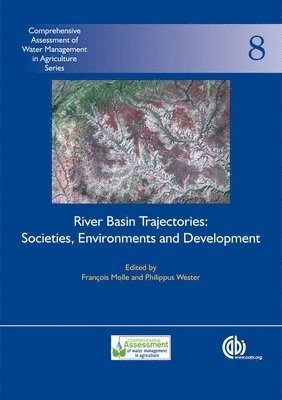
Using a variety of case studies, this book provides an overview of how societies have gradually developed their water resources and furthers our understanding of how such resources can be managed successfully or unsuccessfully. Discussing how and why particular options are selected, and why a particular course of events eventually prevails, the book stresses the importance of context and a multidisciplinary approach in moving towards sustainable and equitable development.
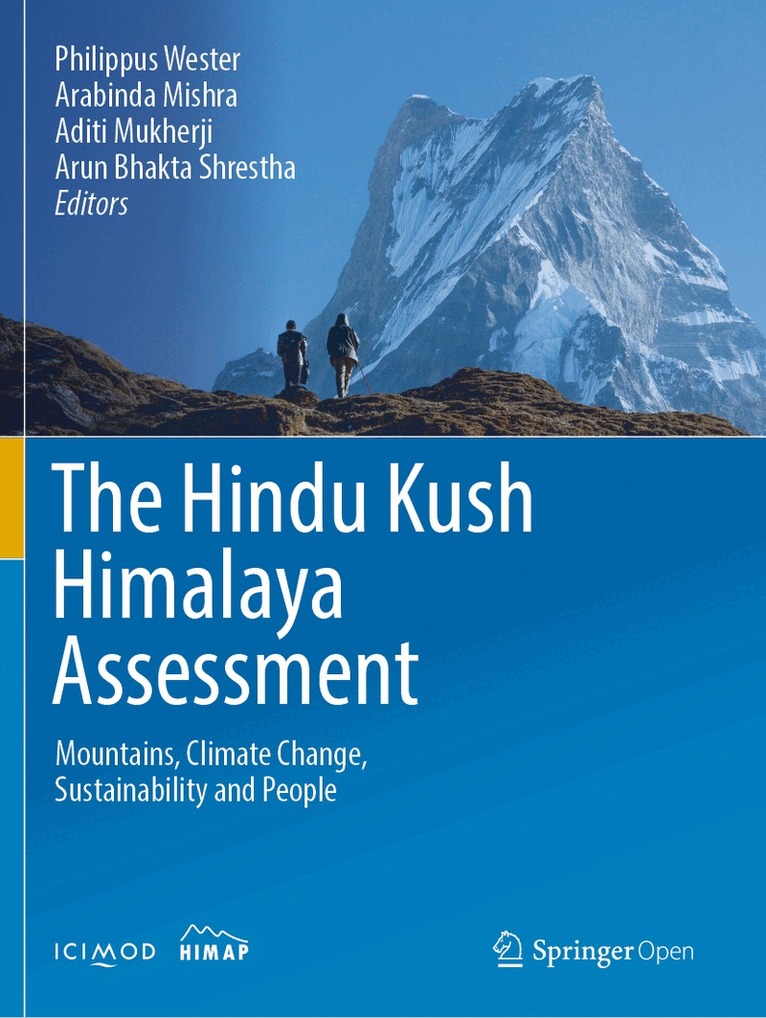
Hindu Kush Himalaya Assessment
Mountains, Climate Change, Sustainability and People
Inbunden, Engelska, 2019
536 kr
Skickas inom 10-15 vardagar
This open access volume is the first comprehensive assessment of the Hindu Kush Himalaya (HKH) region. It comprises important scientific research on the social, economic, and environmental pillars of sustainable mountain development and will serve as a basis for evidence-based decision-making to safeguard the environment and advance people’s well-being. The compiled content is based on the collective knowledge of over 300 leading researchers, experts and policymakers, brought together by the Hindu Kush Himalayan Monitoring and Assessment Programme (HIMAP) under the coordination of the International Centre for Integrated Mountain Development (ICIMOD). This assessment was conducted between 2013 and 2017 as the first of a series of monitoring and assessment reports, under the guidance of the HIMAP Steering Committee: Eklabya Sharma (ICIMOD), Atiq Raman (Bangladesh), Yuba Raj Khatiwada (Nepal), Linxiu Zhang (China), Surendra Pratap Singh (India), Tandong Yao (China) and David Molden (ICIMOD and Chair of the HIMAP SC).This First HKH Assessment Report consists of 16 chapters, which comprehensively assess the current state of knowledge of the HKH region, increase the understanding of various drivers of change and their impacts, address critical data gaps and develop a set of evidence-based and actionable policy solutions and recommendations. These are linked to nine mountain priorities for the mountains and people of the HKH consistent with the Sustainable Development Goals. This book is a must-read for policy makers, academics and students interested in this important region and an essentially important resource for contributors to global assessments such as the IPCC reports.
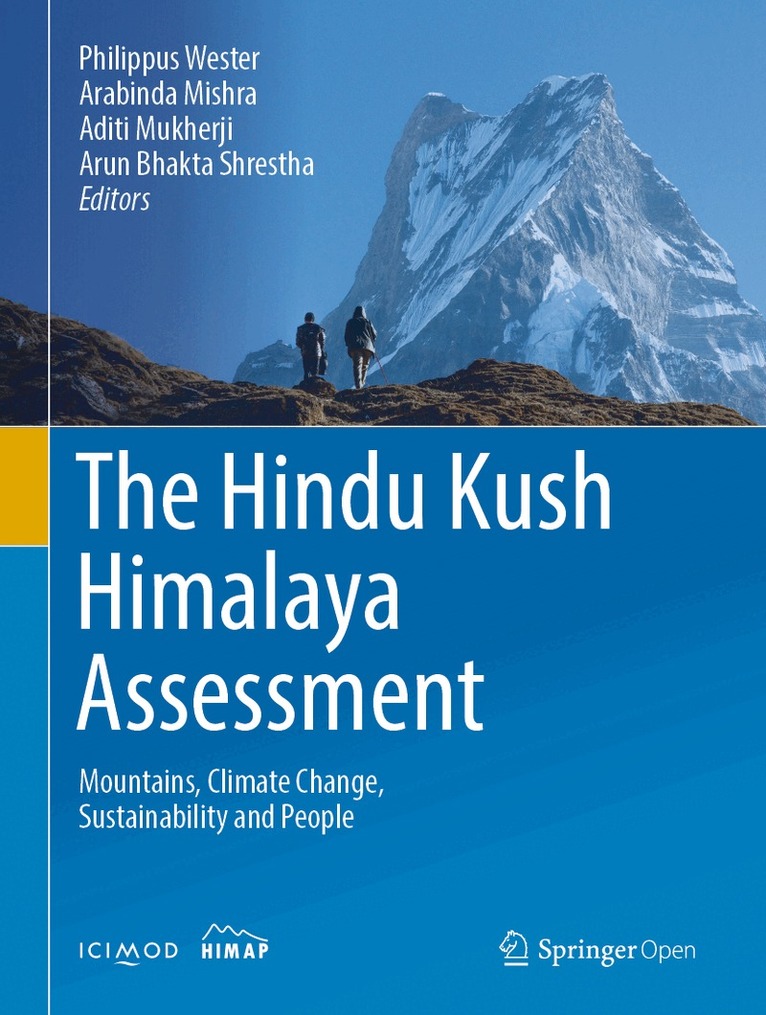
Hindu Kush Himalaya Assessment
Mountains, Climate Change, Sustainability and People
Häftad, Engelska, 2019
536 kr
Skickas inom 10-15 vardagar
This open access volume is the first comprehensive assessment of the Hindu Kush Himalaya (HKH) region. It comprises important scientific research on the social, economic, and environmental pillars of sustainable mountain development and will serve as a basis for evidence-based decision-making to safeguard the environment and advance people’s well-being. The compiled content is based on the collective knowledge of over 300 leading researchers, experts and policymakers, brought together by the Hindu Kush Himalayan Monitoring and Assessment Programme (HIMAP) under the coordination of the International Centre for Integrated Mountain Development (ICIMOD). This assessment was conducted between 2013 and 2017 as the first of a series of monitoring and assessment reports, under the guidance of the HIMAP Steering Committee: Eklabya Sharma (ICIMOD), Atiq Raman (Bangladesh), Yuba Raj Khatiwada (Nepal), Linxiu Zhang (China), Surendra Pratap Singh (India), Tandong Yao (China) and David Molden (ICIMOD and Chair of the HIMAP SC).This First HKH Assessment Report consists of 16 chapters, which comprehensively assess the current state of knowledge of the HKH region, increase the understanding of various drivers of change and their impacts, address critical data gaps and develop a set of evidence-based and actionable policy solutions and recommendations. These are linked to nine mountain priorities for the mountains and people of the HKH consistent with the Sustainable Development Goals. This book is a must-read for policy makers, academics and students interested in this important region and an essentially important resource for contributors to global assessments such as the IPCC reports.