Phillip Brian Harper – författare
Visar alla böcker från författaren Phillip Brian Harper. Handla med fri frakt och snabb leverans.
4 produkter
4 produkter
E-bok
PDF, Engelska, 1994696 kr
Läs direkt efter köp
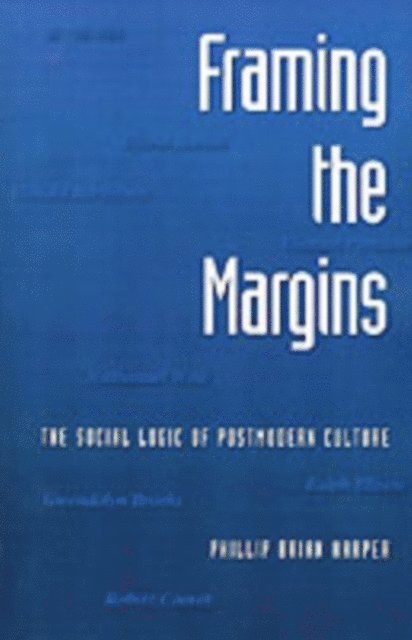
This dramatic rereading of postmodernism seeks to broaden current theoretical conceptions of the movement as both a social-philosophical condition and a literary and cultural phenomenon. Phil Harper contends that the fragmentation considered to be characteristic of the postmodern age can in fact be traced to the status of marginalized groups in the United States since long before the contemporary era. This status is reflected in the work of American writers from the thirties through the fifties whom Harper addresses in this study, including Nathanael West, Anaïs Nin, Djuna Barnes, Ralph Ellison, and Gwendolyn Brooks. Treating groups that are disadvantaged or disempowered whether by circumstance of gender, race, or sexual orientation, the writers profiled here occupy the cusp between the modern and the postmodern; between the recognizably modernist aesthetic of alienation and the fragmented, disordered sensibility of postmodernism. Proceeding through close readings of these literary texts in relation to various mass-cultural productions, Harper examines the social placement of the texts in the scope of literary history while analyzing more minutely the interior effects of marginalization implied by the fictional characters enacting these narratives. In particular, he demonstrates how these works represent the experience of social marginality as highly fractured and fracturing, and indicates how such experience is implicated in the phenomenon of postmodernist fragmentation. Harper thus accomplishes the vital task of recentering cultural focus on issues and groups that are decentered by very definition, and thereby specifies the sociopolitical significance of postmodernism in a way that has not yet been done.
Inbunden, Engelska, 1999
947 kr
Skickas inom 10-15 vardagar
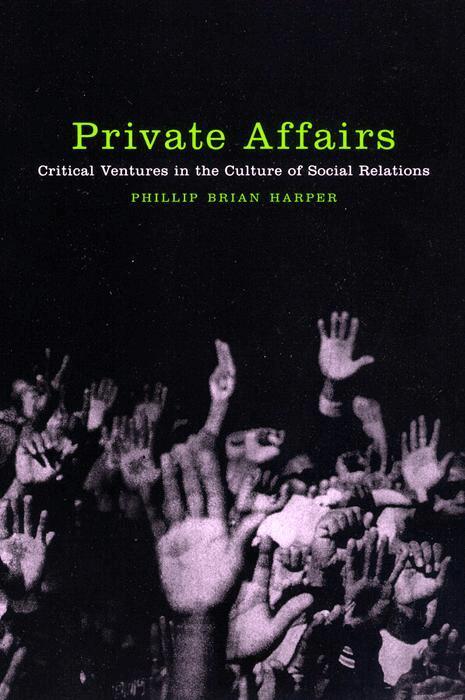
In Private Affairs, Phillip Brian Harper explores the social and cultural significance of the private, proposing that, far from a universal right, privacy is limited by one's racial-and sexual-minority status. Ranging across cinema, literature, sculpture, and lived encounters-from Rodin's The Kiss to Jenny Livingston's Paris is Burning-Private Affairs demonstrates how the very concept of privacy creates personal and sociopolitical hierarchies in contemporary America.
Häftad, Engelska, 1999
363 kr
Skickas inom 5-8 vardagar
In Private Affairs, Phillip Brian Harper explores the social and cultural significance of the private, proposing that, far from a universal right, privacy is limited by one's racial-and sexual-minority status. Ranging across cinema, literature, sculpture, and lived encounters-from Rodin's The Kiss to Jenny Livingston's Paris is Burning-Private Affairs demonstrates how the very concept of privacy creates personal and sociopolitical hierarchies in contemporary America.
Häftad, Engelska, 2015
433 kr
Skickas inom 5-8 vardagar
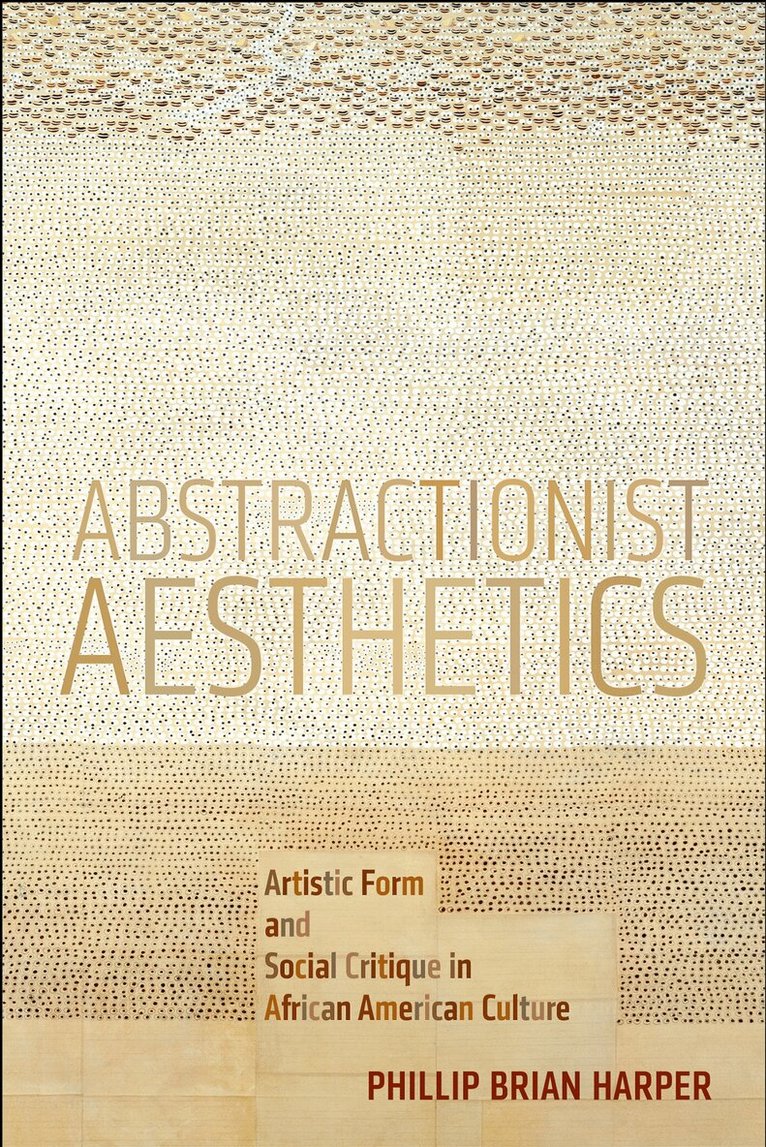
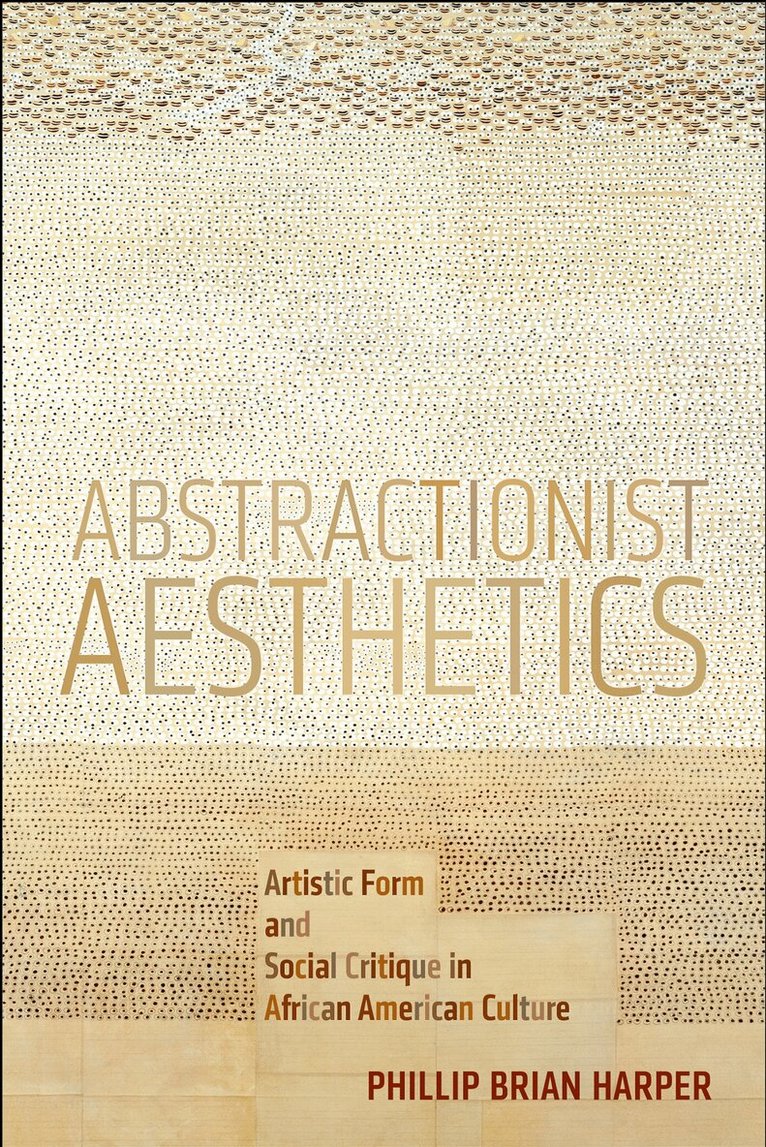
An artistic discussion on the critical potential of African American expressive cultureIn a major reassessment of African American culture, Phillip Brian Harper intervenes in the ongoing debate about the "proper" depiction of black people. He advocates for African American aesthetic abstractionism—a representational mode whereby an artwork, rather than striving for realist verisimilitude, vigorously asserts its essentially artificial character. Maintaining that realist representation reaffirms the very social facts that it might have been understood to challenge, Harper contends that abstractionism shows up the actual constructedness of those facts, thereby subjecting them to critical scrutiny and making them amenable to transformation.Arguing against the need for "positive" representations, Abstractionist Aesthetics displaces realism as the primary mode of African American representational aesthetics, re-centers literature as a principal site of African American cultural politics, and elevates experimental prose within the domain of African American literature. Drawing on examples across a variety of artistic production, including the visual work of Fred Wilson and Kara Walker, the music of Billie Holiday and Cecil Taylor, and the prose and verse writings of Ntozake Shange, Alice Walker, and John Keene, this book poses urgent questions about how racial blackness is made to assume certain social meanings. In the process, African American aesthetics are upended, rendering abstractionism as the most powerful modality for Black representation.