Phillips Payson O'Brien – författare
Visar alla böcker från författaren Phillips Payson O'Brien. Handla med fri frakt och snabb leverans.
18 produkter
War and Power
Who Wins Wars - and Why
Häftad, 2025
192 kr
Lägg i varukorg
'Phillips O'Brien is one of the keenest observers of modern strategy, and his new book takes a deep historical look at the evolution of warfare and its implications for conflicts like the ongoing one in Ukraine' Francis Fukuyama -------------------- War and power are two of the most-widely …
War and Power
Who Wins Wars — and Why
Häftad, 2026
148 kr
Lägg i varukorg
'Phillips O'Brien is one of the keenest observers of modern strategy, and his new book takes a deep historical look at the evolution of warfare and its implications for conflicts like the ongoing one in Ukraine' Francis Fukuyama--------------------War and power are two of the most-widely discussed …
War and Power
Who Wins Wars — and Why
Inbunden, 2025
247 kr
Lägg i varukorg
'Phillips O'Brien is one of the keenest observers of modern strategy, and his new book takes a deep historical look at the evolution of warfare and its implications for conflicts like the ongoing one in Ukraine' Francis Fukuyama--------------------War and power are two of the most-widely discussed …
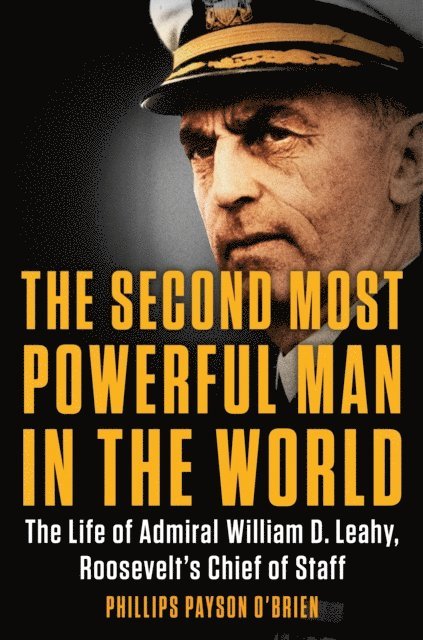
Second Most Powerful Man in the World
The Life of Admiral William D. Leahy, Roosevelt''s Chief of Staff
E-bok, 2019
112 kr
Lägg i varukorg
The life of Franklin Roosevelt''s most trusted and powerful advisor, Admiral William D. Leahy, Chief of Staff to the Commander-in-Chief Aside from FDR, no American did more to shape World War II than Admiral William D. Leahy--not Douglas MacArthur, not Dwight Eisenhower, and not even the legendary …
The Second Most Powerful Man in the World: The Life of Admiral William D. Leahy, Roosevelt's Chief of Staff
Häftad, 2020
406 kr
Lägg i varukorg
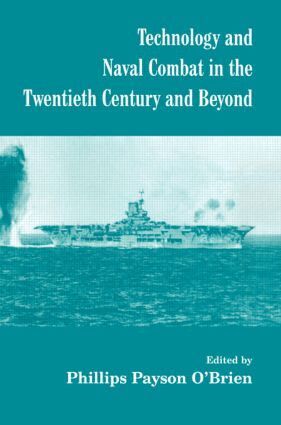
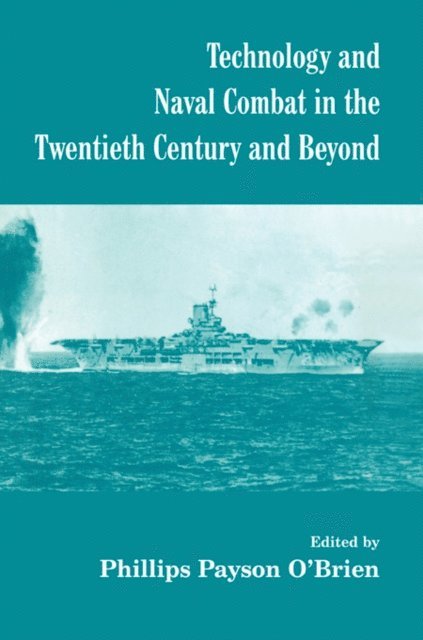
Technology and Naval Combat in the Twentieth Century and Beyond
Av Phillips Payson O'Brien, Phillips Payson O'Brien
Häftad, 2007
936 kr
Lägg i varukorg
This work examines how the navies of Great Britain, the USA, Germany, Japan, the Soviet Union, France and Italy confronted the various technological changes posed during different periods in the 20th century.
Technology and Naval Combat in the Twentieth Century and Beyond
Technology and Naval Combat in the Twentieth Centu
Av Phillips Payson O'Brien, Phillips Payson O'Brien
Inbunden, 2001
2585 kr
Lägg i varukorg
This work examines how the navies of Great Britain, the USA, Germany, Japan, the Soviet Union, France and Italy confronted the various technological changes posed during different periods in the 20th century.
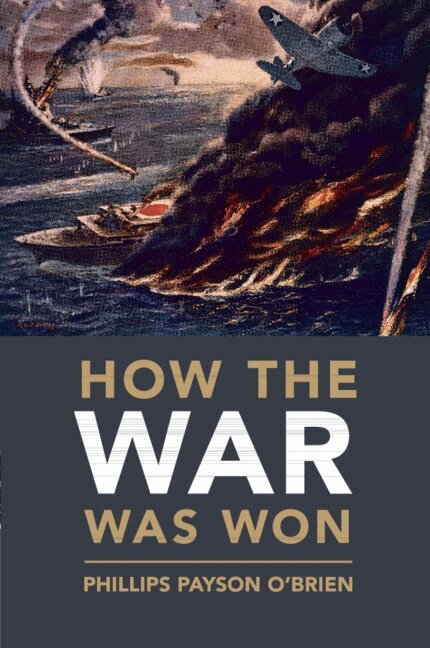
How the War Was Won
Air-Sea Power and Allied Victory in World War II
Häftad, 2019
399 kr
Lägg i varukorg
World War II is usually seen as a titanic land battle, decided by mass armies, most importantly those on the Eastern Front. Phillips Payson O'Brien shows us the war in a completely different light. In this compelling new history of the Allied path to victory, he argues that in terms of production, …
Technology and Naval Combat in the Twentieth Century and Beyond
E-bok, 2013
981 kr
Lägg i varukorg
This work examines how the navies of Great Britain, the USA, Germany, Japan, the Soviet Union, France and Italy confronted the various technological changes posed during different periods in the 20th century.
Technology and Naval Combat in the Twentieth Century and Beyond
E-bok, 2013
981 kr
Lägg i varukorg
This work examines how the navies of Great Britain, the USA, Germany, Japan, the Soviet Union, France and Italy confronted the various technological changes posed during different periods in the 20th century.
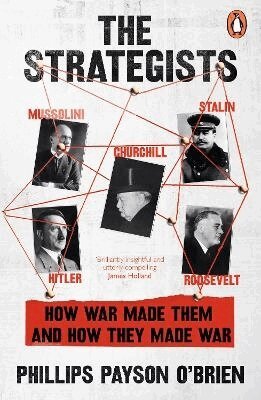
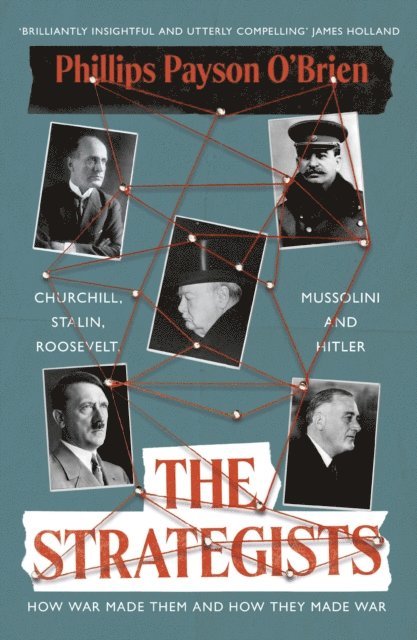
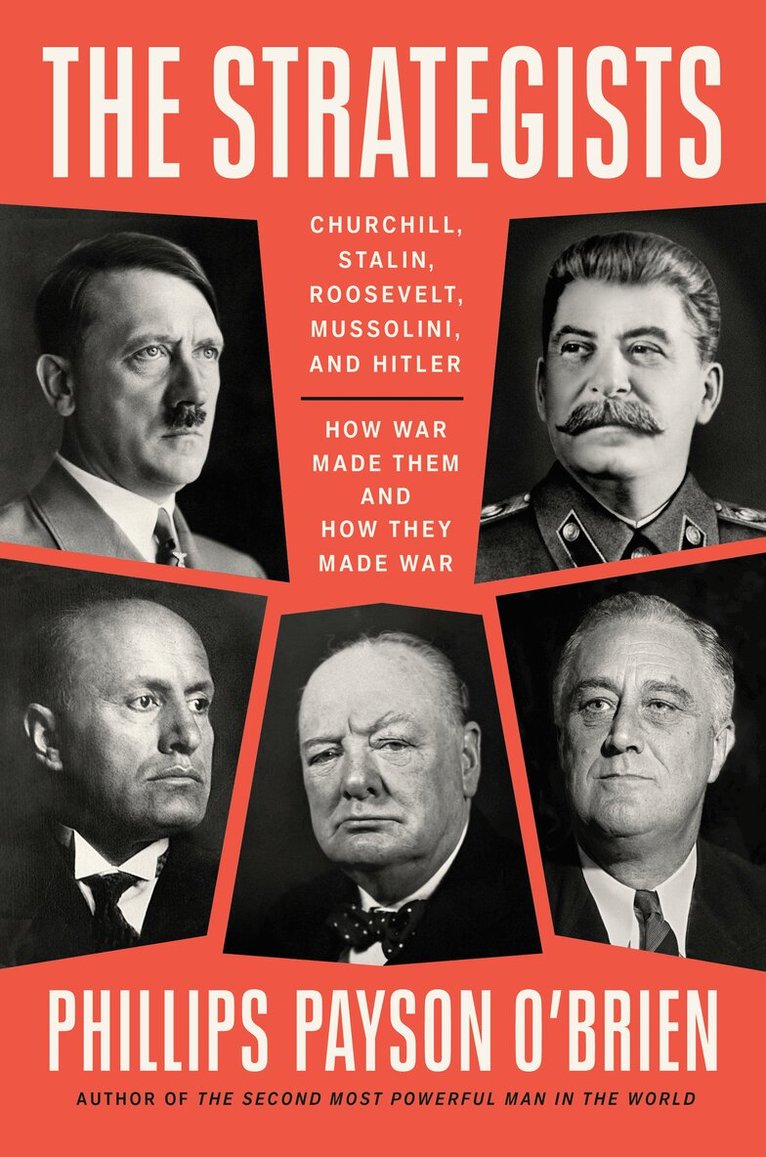
Strategists
Churchill, Stalin, Roosevelt, Mussolini and Hitler – How War Made Them, And How They Made War
Häftad, 2025
160 kr
Lägg i varukorg
'Entirely fresh, brilliantly insightful and utterly compelling ' James HollandChurchill. Hitler. Stalin. Mussolini. Roosevelt. Five of the most impactful leaders of WW2, each with their own individualistic and idiosyncratic approach to warfare. But if we want to understand their military strategy, …
Strategists
Churchill, Stalin, Roosevelt, Mussolini and Hitler – How War Made Them, And How They Made War
E-bok, 2024
125 kr
Lägg i varukorg
'Entirely fresh, brilliantly insightful and utterly compelling ' James HollandChurchill. Hitler. Stalin. Mussolini. Roosevelt. Five of the most impactful leaders of WW2, each with their own individualistic and idiosyncratic approach to warfare. But if we want to understand their military strategy, …
Strategists
Churchill, Stalin, Roosevelt, Mussolini and Hitler – How War Made Them, And How They Made War
Ljudbok, 2024
204 kr
Lägg i varukorg
Brought to you by Penguin. Churchill. Hitler. Stalin. Mussolini. Roosevelt. Five of the most impactful leaders of WW2, each with their own individualistic and idiosyncratic approach to warfare. But if we want to understand their military strategy, we must first understand the strategist. In THE …
War and Power
Who Wins Wars — and Why
E-bok, 2025
113 kr
Lägg i varukorg
'Phillips O'Brien is one of the keenest observers of modern strategy, and his new book takes a deep historical look at the evolution of warfare and its implications for conflicts like the ongoing one in Ukraine' Francis Fukuyama--------------------War and power are two of the most-widely discussed …
War and Power
Who Wins Wars - and Why
Ljudbok, 2025
179 kr
Lägg i varukorg
Brought to you by Penguin. War and power are two of the most-widely discussed issues in all of human history, and yet they are, time and again, misunderstood - often disastrously so.Whilst we might think the outcome of war is determined by so-called 'Great Powers' who dominate their opponents with …
The Strategists
Churchill, Stalin, Roosevelt, Mussolini, and Hitler--How War Made Them and How They Made War
Inbunden, 1900
416 kr
Lägg i varukorg
Churchill. Hitler. Stalin. Mussolini. Roosevelt. Five of the most impactful leaders of WW2, each with their own individualistic and idiosyncratic approach to warfare. But if we want to understand their military strategy, we must first understand the strategist. In The Strategists , Professor …
Strategists
Churchill, Stalin, Roosevelt, Mussolini and Hitler – How War Made Them, And How They Made War
Inbunden, 2024
304 kr
Tillfälligt slut
'Entirely fresh, brilliantly insightful and utterly compelling' James Holland'Full of fascinating insights about the use and misuse of power' Daniel Todman***Churchill. Hitler. Stalin. Mussolini. Roosevelt. Five of the most impactful leaders of WW2, each with their own individualistic and …