Pierre Englebert – författare
Visar alla böcker från författaren Pierre Englebert. Handla med fri frakt och snabb leverans.
7 produkter
7 produkter
Inbunden, Engelska, 2019
2 179 kr
Skickas inom 10-15 vardagar
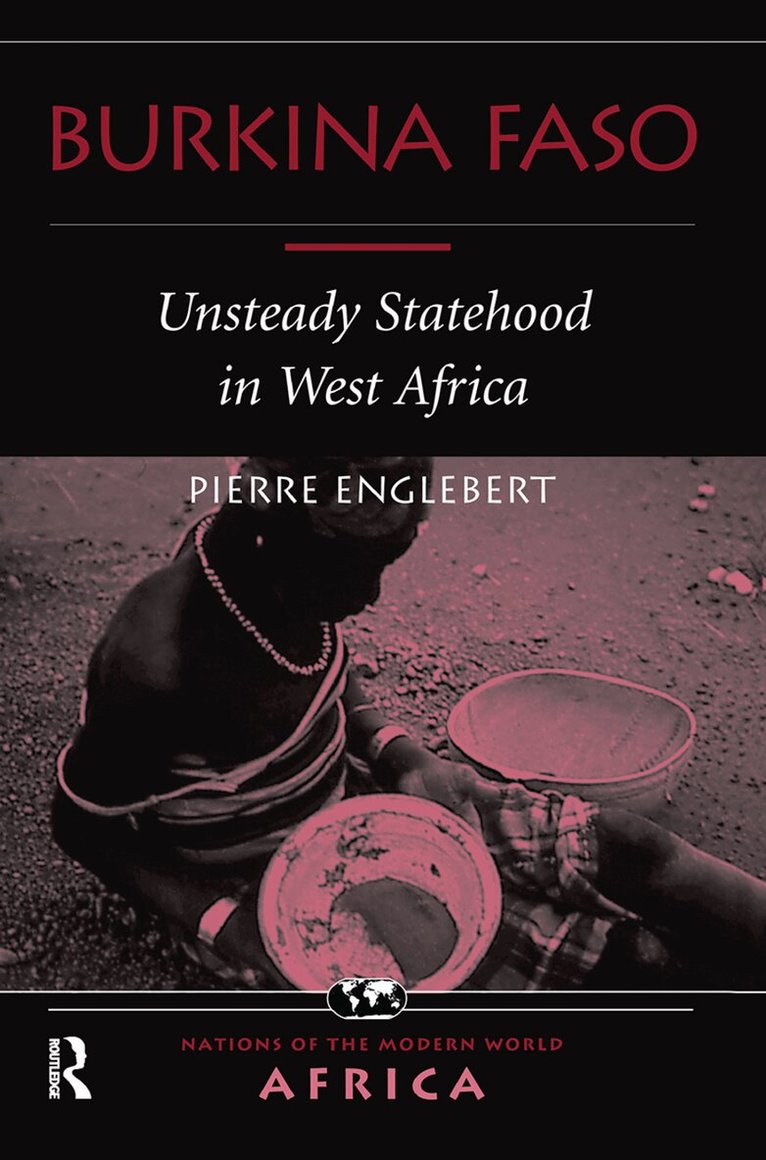
Poor even by the standards of West Africa, Burkina Faso has been plagued by political instability since independence from France in 1960. It has suffered five military coups, the last of which cost the life of Thomas Sankara, who had waged war on poverty, corruption and illiteracy. Yet Burkina Faso's growth was surprisingly strong during the 1980s,
E-bok
PDF, Engelska, 2018880 kr
Läs direkt efter köp
Poor even by the standards of West Africa and landlocked at the edge of the Sahel, Burkina Faso—the “Land of Men of Dignity”—has been plagued by political instability since independence from France in 1960. The country has suffered five military coups, the last of which cost the life of the outspoken and charismatic leader Thomas Sankara, who had waged war on poverty, corruption, and illiteracy. Yet Burkina’s growth was surprisingly strong during the 1980s, as it made the best of its meager assets in cotton, gold, and livestock. The country is also fortunate in its relative lack of ethnic conflict, and the several religions practiced—Islam, Christianity, and animism— peacefully coexist. Burkina has earned mixed reviews on the international stage, however, fighting two wars with Mali and supporting Taylor’s rebels in the Liberian civil war. In this textured introduction to Burkina Faso, Pierre Englebert highlights the historical and contemporary factors that account for the country’s instability; considers the ethnic, religious, and social contours of the Burkinabé polity; examines in depth the country’s economic policies and prospects; and analyzes Burkina’s external relations. Looking toward the next millennium, he concludes by assessing the chances of the apparent recent drive toward a more democratic system.
E-bok
Engelska, 2018880 kr
Läs direkt efter köp
Poor even by the standards of West Africa and landlocked at the edge of the Sahel, Burkina Faso—the “Land of Men of Dignity”—has been plagued by political instability since independence from France in 1960. The country has suffered five military coups, the last of which cost the life of the outspoken and charismatic leader Thomas Sankara, who had waged war on poverty, corruption, and illiteracy. Yet Burkina’s growth was surprisingly strong during the 1980s, as it made the best of its meager assets in cotton, gold, and livestock. The country is also fortunate in its relative lack of ethnic conflict, and the several religions practiced—Islam, Christianity, and animism— peacefully coexist. Burkina has earned mixed reviews on the international stage, however, fighting two wars with Mali and supporting Taylor’s rebels in the Liberian civil war. In this textured introduction to Burkina Faso, Pierre Englebert highlights the historical and contemporary factors that account for the country’s instability; considers the ethnic, religious, and social contours of the Burkinabé polity; examines in depth the country’s economic policies and prospects; and analyzes Burkina’s external relations. Looking toward the next millennium, he concludes by assessing the chances of the apparent recent drive toward a more democratic system.
Häftad, Engelska, 1999
801 kr
Skickas inom 10-15 vardagar
Poor even by the standards of West Africa and landlocked at the edge of the Sahel, Burkina Faso—the “Land of Men of Dignity”—has been plagued by political instability since independence from France in 1960. The country has suffered five military coups, the last of which cost the life of the outspoken and charismatic leader Thomas Sankara, who had waged war on poverty, corruption, and illiteracy. Yet Burkina’s growth was surprisingly strong during the 1980s, as it made the best of its meager assets in cotton, gold, and livestock. The country is also fortunate in its relative lack of ethnic conflict, and the several religions practiced—Islam, Christianity, and animism— peacefully coexist. Burkina has earned mixed reviews on the international stage, however, fighting two wars with Mali and supporting Taylor’s rebels in the Liberian civil war. In this textured introduction to Burkina Faso, Pierre Englebert highlights the historical and contemporary factors that account for the country’s instability; considers the ethnic, religious, and social contours of the Burkinabé polity; examines in depth the country’s economic policies and prospects; and analyzes Burkina’s external relations. Looking toward the next millennium, he concludes by assessing the chances of the apparent recent drive toward a more democratic system.
Häftad, Engelska, 2019
1 011 kr
Skickas inom 10-15 vardagar
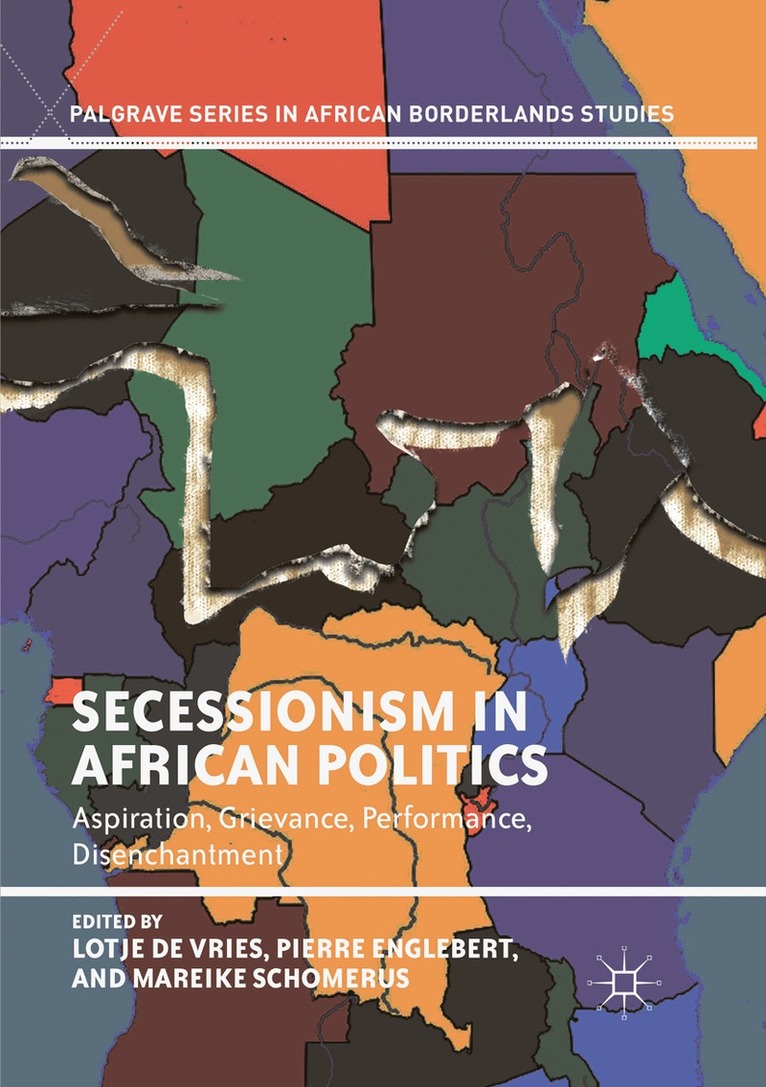
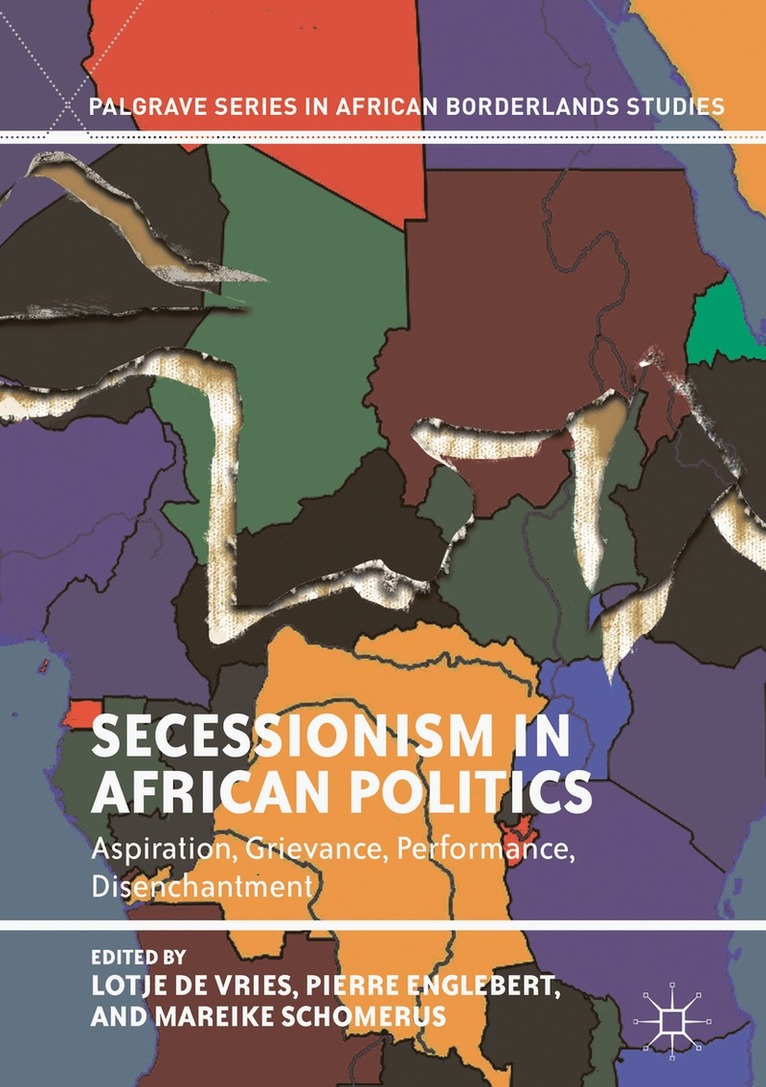
Secessionism perseveres as a complex political phenomenon in Africa, yet often a more in-depth analysis is overshadowed by the aspirational simplicity of pursuing a new state. Using historical and contemporary approaches, this edited volume offers the most exhaustive collection of empirical studies of African secessionism to date. The respected expert contributors put salient and lesser known cases into comparative perspective, covering Biafra, Katanga, Eritrea and South Sudan alongside Barotseland, Cabinda, and the Comoros, among others. Suggesting that African secessionism can be understood through the categories of aspiration, grievance, performance, and disenchantment, the book's analytical framework promises to be a building block for future studies of the topic.
Inbunden, Engelska, 2018
1 415 kr
Skickas inom 10-15 vardagar
Secessionism perseveres as a complex political phenomenon in Africa, yet often a more in-depth analysis is overshadowed by the aspirational simplicity of pursuing a new state. Using historical and contemporary approaches, this edited volume offers the most exhaustive collection of empirical studies of African secessionism to date. The respected expert contributors put salient and lesser known cases into comparative perspective, covering Biafra, Katanga, Eritrea and South Sudan alongside Barotseland, Cabinda, and the Comoros, among others. Suggesting that African secessionism can be understood through the categories of aspiration, grievance, performance, and disenchantment, the book's analytical framework promises to be a building block for future studies of the topic.
E-bok
Engelska, 20181 214 kr
Läs direkt efter köp
Secessionism perseveres as a complex political phenomenon in Africa, yet often a more in-depth analysis is overshadowed by the aspirational simplicity of pursuing a new state. Using historical and contemporary approaches, this edited volume offers the most exhaustive collection of empirical studies of African secessionism to date. The respected expert contributors put salient and lesser known cases into comparative perspective, covering Biafra, Katanga, Eritrea and South Sudan alongside Barotseland, Cabinda, and the Comoros, among others. Suggesting that African secessionism can be understood through the categories of aspiration, grievance, performance, and disenchantment, the book''s analytical framework promises to be a building block for future studies of the topic.