Piet Lens – författare
Visar alla böcker från författaren Piet Lens. Handla med fri frakt och snabb leverans.
13 produkter
13 produkter
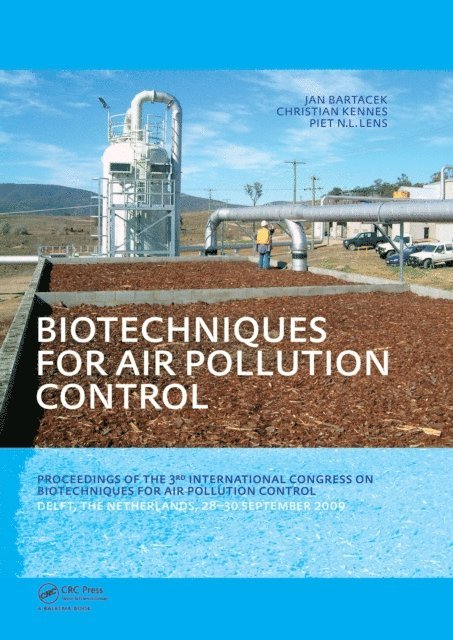
Biotechniques for Air Pollution Control
Proceedings of the 3rd International Congress on Biotechniques for Air Pollution Control. Delft, The Netherlands, September 28-30, 2009
Inbunden, Engelska, 2010
1 710 kr
Skickas inom 10-15 vardagar
Energy and feedstock materials for the chemical industry show an increasing demand. With constraints related to availability and use of oil, the energy and chemical industry is subject to considerable changes. The need for the use of cheaper and widely available feedstocks, and the development of sustainable and environmentally friendly chemical processes is growing rapidly under both economical and public pressure. Therefore, waste gas treatment has gradually been integrated into the process design. Instead of discharging their waste gases into the atmosphere, industries increasingly attempt to become self-sufficient and recover compounds from their own wastestreams or use (upgraded) wastestreams of neighbouring industries as raw material. The proceedings of the 3rd International Symposium on Biotechniques for Air Pollution Control, held on 28-30 September 2009 in Delft, the Netherlands, give an overview of innovative biotechnology based processes for treatment of waste gasses. Various innovative research aspects of environmental chemistry, environmental engineering, and bioprocess technology are discussed.
1 884 kr
Skickas
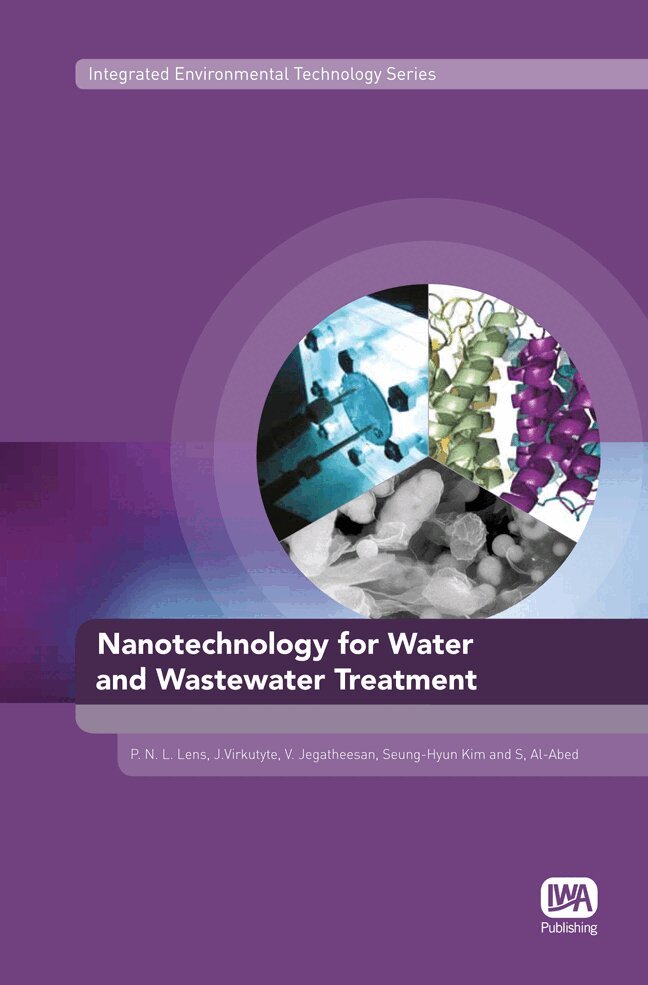
The rapid development of nanoscience enables a technology revolution that will soon impact virtually every facet of the water sector. Yet, there is still too little understanding of what nanoscience and nanotechnology is, what can it do and whether to fear it or not, even among the educated public as well as scientists and engineers from other disciplines. Despite the numerous books and textbooks available on the subject, there is a gap in the literature that bridges the space between the synthesis (conventional and more greener methods) and use (applications in the drinking water production, wastewater treatment and environmental remediation fields) of nanotechnology on the one hand and its potential environmental implications (fate and transport of nanomaterials, toxicity, Life Cycle Assessments) on the other. Nanotechnology for Water and Wastewater Treatment explores these topics with a broad-based multidisciplinary scope and can be used by engineers and scientists outside the field and by students at both undergraduate and post graduate level.
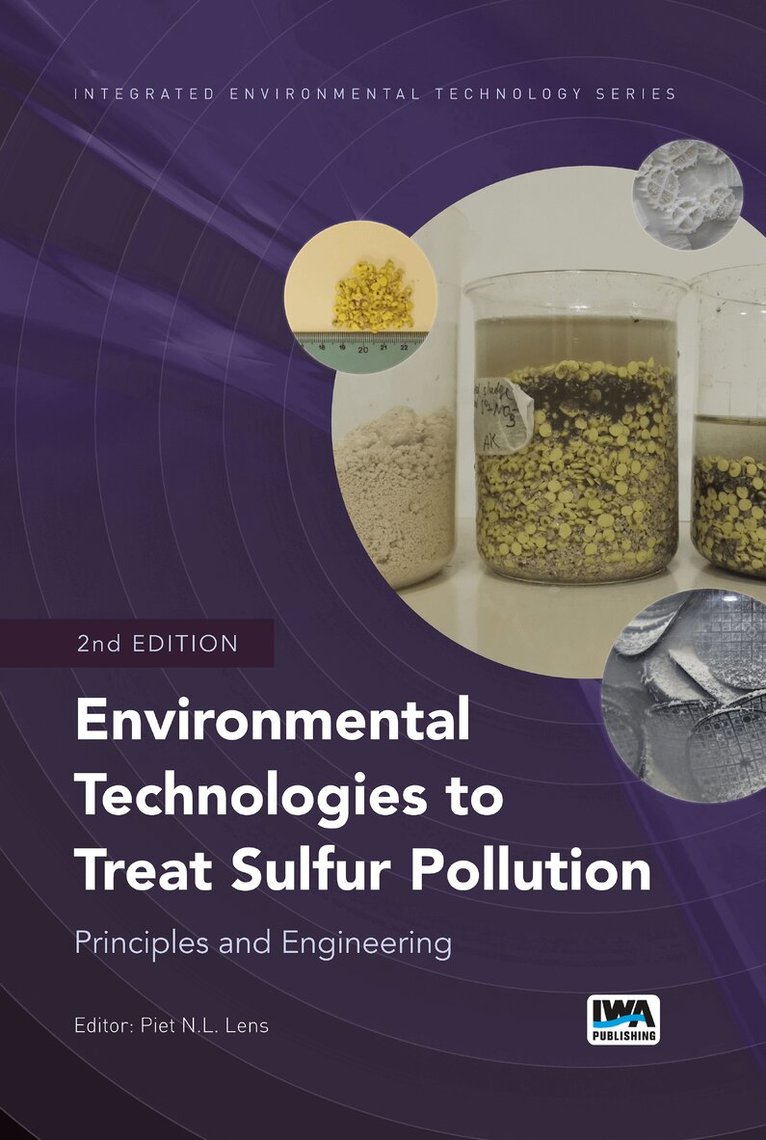
Environmental Technologies to Treat Sulfur Pollution
principles and engineering
Häftad, Engelska, 2020
1 822 kr
Skickas
This second edition is fully updated with new material to create a comprehensive and accessible reference book:New chapters on sulfur removal via bioelectrochemical systems, use of sulfate radicals in advanced oxidation processes and sulfur nanoparticle biosynthesis.New sections on: sulfur cycle chemistry and microbiology; sulfate removal vs. recovery of resources from sulfate-rich wastewaters; microaeration for biogas desulfurisation; biological treatment of gypsum and sulfur-rich solid waste; up-to-date process control for treatment of sulfur-rich waste streams.New case studies with emphasis on practices for sewer and steel corrosion control, odour mitigation, autotrophic denitrification and bioremediation of acid mine polluted sites in both developed and developing countries have been included.Novel concepts of environmental technologies to treat sulfur pollution of wastewater, off-gases, solid waste, soils and sediments are presented.Up-to-date research findings and innovative technologies for recovering resources, i.e. metals, fertiliser, biofuels and irrigation water, from sulfur polluted waste are provided.This book may serve both as an advanced textbook for undergraduate and graduate students majoring in environmental sciences, technology or engineering as well as a handbook for tertiary educators, researchers, professionals and policymakers who conduct research and practices in the sulfur related fields. It is essential reading for consulting companies when dealing with sulfur related environmental (bio)technologies.
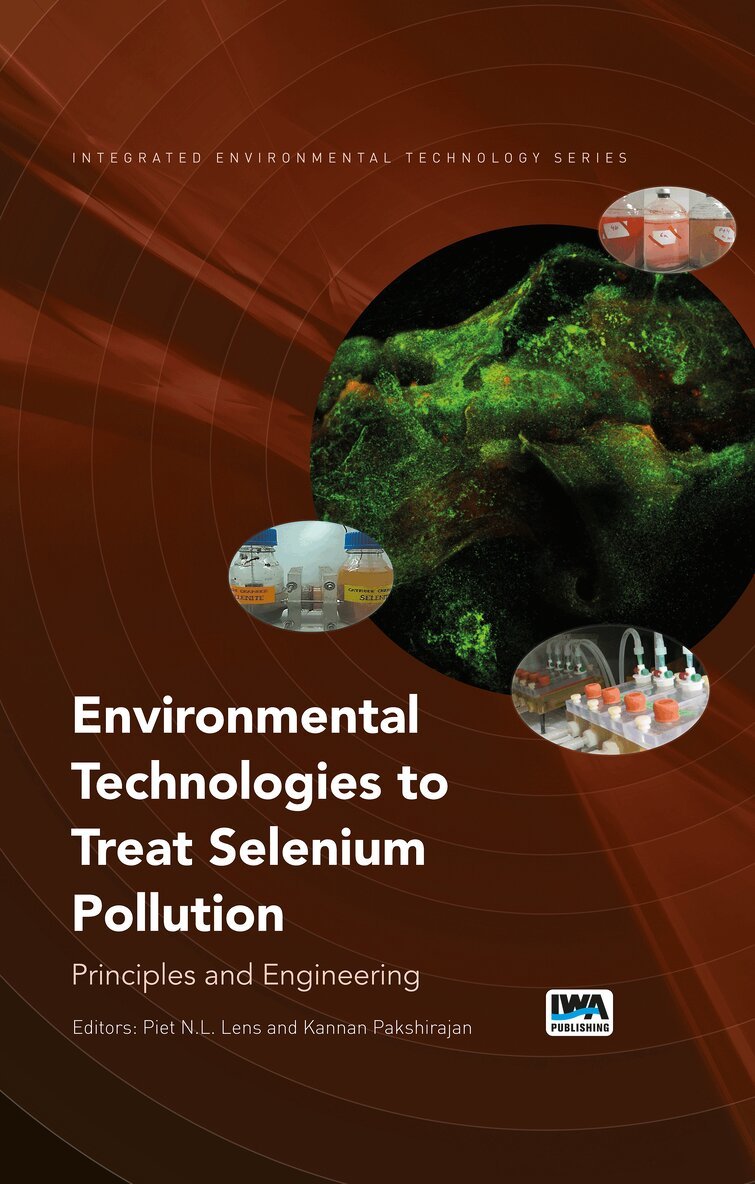
Environmental Technologies to Treat Selenium Pollution
Principles and Engineering
Häftad, Engelska, 2021
1 822 kr
Skickas
Selenium contamination of air, aquatic environments, soils and sediments is a serious environmental concern of increasing importance. Selenium has a paradoxical feature in bringing about health benefits under the prescribed level, but only a few fold increase in its concentration causes deleterious effects to flora and fauna, humans and the environment. Environmental Technologies to Treat Selenium Pollution: principles and engineering:- presents the fundamentals of the biogeochemical selenium cycle and which imbalances in this cycle result in pollution. - overviews chemical and biological technologies for successful treatment of selenium contaminated water, air, soils and sediments.- explores the recovery of value-added products from selenium laden waste streams, including biofortication and selenium based nanoparticles and quantum dots. This book may serve both as an advanced textbook for undergraduate and graduate students majoring in environmental sciences, technology or engineering as well as a handbook for tertiary educators, researchers, professionals and policy makers who conduct research and practices in selenium related fields. It is essential reading for consulting companies when dealing with selenium related environmental (bio)technologies.
1 822 kr
Skickas
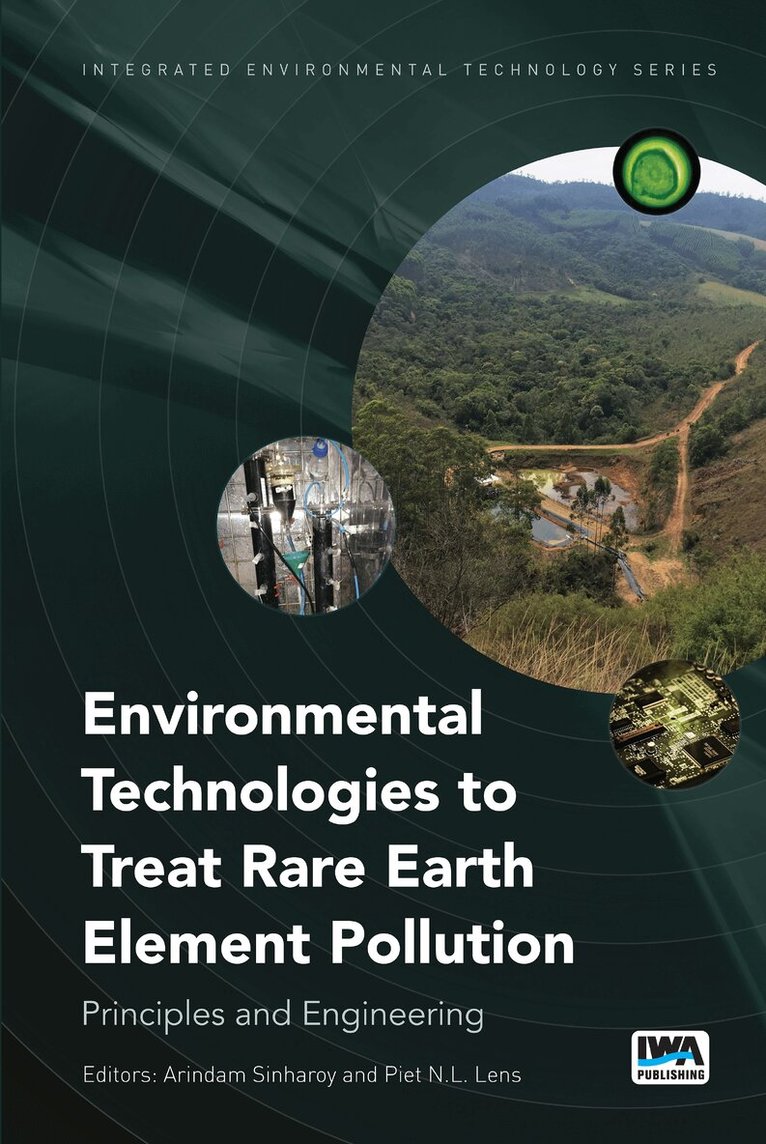
The book will cover a wide range of subjects related to rare earth elements, including the sources, detection and applications of rare earths, environmental and ecological issues related to rare earths, recovery of rare earths using physical, chemical and biological methods, recovery of rare earths from waste resources, conversion of rare earths to nano-particles and their applications. It is intended or all levels of teaching and research from senior undergraduate to higher levels and to those who are working on metal/metalloids more particularly focused on rare earth elements from a science, engineering, health and environmental perspective.
1 634 kr
Skickas
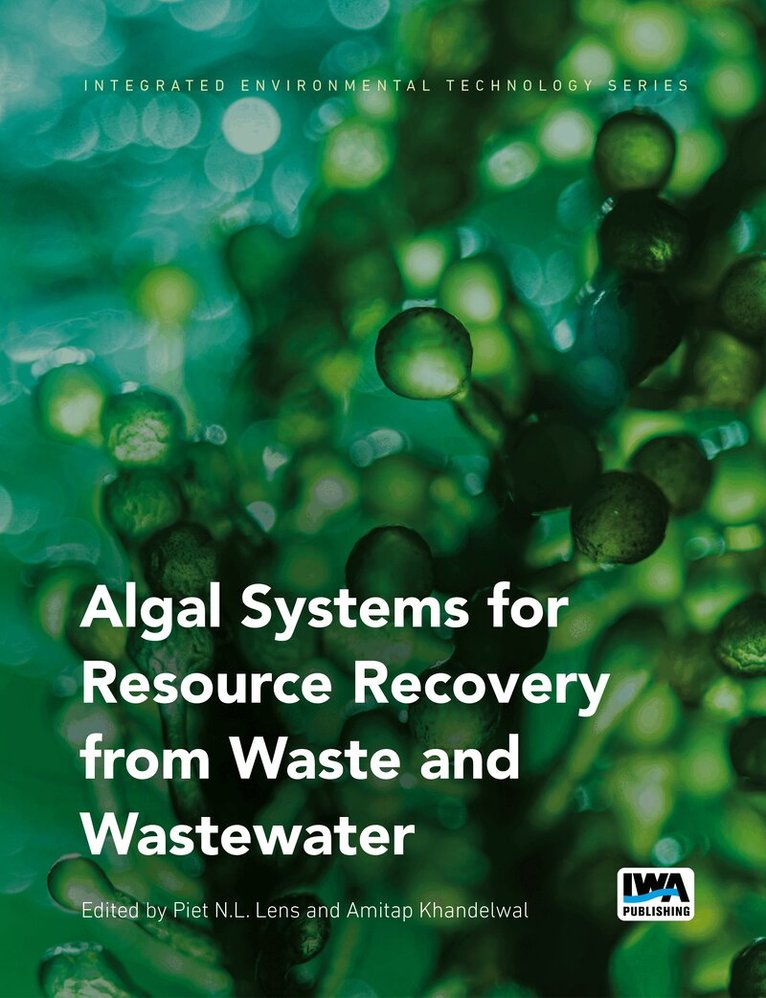
This book provides comprehensive insights on existing technologies and up-to-date advances in the field of waste management and treatment using algal based technologies via different approaches and systems. Coverage includes:- Process fundamentals of algae-based wastewater treatment, including metabolic modelling, algal species for resource recovery and algae/bacteria interactions.- Critical insights on the status, major challenges and modern engineering solutions in microalgae-related wastewater treatment processes.- Case studies for coculturing microalgae with methanotrophs for enhanced nutrient recovery from wastewater.- Advanced ways for valorisation of algae-based processes by integrating them with other technologies such as anaerobic digestion, biogas upgradation and bioelectrochemical systems.- Up-to-date information on modern biotechnological approaches for deriving value-added bioproducts and biopolymers from microalgae, including biofuels, pigments and nutraceuticals.This is an essential textbook for both undergraduate and graduate students pursuing degrees in environmental sciences, technologies, or engineering. Additionally, the book is equally useful for a broad audience, including researchers, engineers, and policy makers interested in the field of algal systems for waste and wastewater management. The book is also tailored to be used as an advanced manual for practitioners and consultancies working in the field of wastewater treatment and resource recovery.
1 634 kr
Skickas
In the quest for sustainable solutions, a groundbreaking innovation emerges: "Nanobiohybrids for Advanced Wastewater Treatment and Energy Recovery". This compelling title delves into the forefront of integrated environmental technology, exploring the synergistic potential of nanotechnology and biotechnology in revolutionizing the way we manage wastewater and harness energy.Inside these pages, you'll:- Find insightful explorations of process fundamentals of nanobiohybrids for water purification, microbial synthesis of nanocatalysts and energy storage devices. Grasp the mechanics of nanoparticle biosynthesis, biomolecule integration, and the dynamic interplay between nanotechnology and biology.- Embark on fundamental components investigating environmental remediation for both wastewater treatment and energy recovery. Focusing on both components of nanobiohybrids: on the one hand organic, inorganic and magnetic nanoparticles, and on the other hand electroactive bacteria.- Understand the implications of nanobiohybrids for environmental remediation, water and wastewater treatment to conserve resources and protect the environment. Explore how these solutions contribute to pollution control, resource recovery, sensing and photoelectrocatalysis.This book is an indispensable resource for researchers, students, policymakers, and anyone intrigued by the intersection of nanoscience, nanotechnology and sustainability. As we stand at the brink of a new era in environmental engineering, this book empowers you to be at the forefront of change. Join the movement towards cleaner waters, abundant energy, and a brighter future with nanobiohybrids.
1 692 kr
Skickas
Nature-Based Solutions for Urban Sustainability provides comprehensive insights on existing technologies and up-to-date advances in the field of water, wastewater and waste treatment using nature-based approaches and systems.This book highlights:· Process fundamentals of nature-based solutions, including hydrodynamics, media, bacteria/media interactions and phytoremediation for pollution control, resource recovery and energy generation.· Critical insights on the status, major challenges and modern engineering solutions in nature-based solutions for the treatment of rainwater, storm water, wastewater and solid waste.· Advanced methods for valorisation using nature-based solutions through integration with other technologies, such as composting, anaerobic digestion and bioelectrochemical systems.· Up-to-date information on modern approaches for deriving value-added operation, by combining nature-based solutions with agricultural practices such as fish farming or protein production.· Case studies of nature-based solutions from countries in transition including Thailand, Vietnam, Indonesia and Philippines.This reference textbook is recommended reading for both undergraduate and graduate students pursuing degrees in environmental sciences, technologies, or engineering. It is equally useful for a broader audience including researchers, engineers, and policy makers interested in the field of nature-based solutions for urban sustainability. It is also tailored to be used as an advanced manual for practitioners and consultancies working in the field of diffuse pollution and climate change mitigation.
Environmental Technologies to Treat Platinum Group Element Pollution
Principles and Engineering
Häftad, Engelska, 2025
1 832 kr
Skickas
The unique properties of Platinum Group Elements (PGE) combine resilience and high catalytic activity, which make them indispensable across a range of industries, from automotive to electronics, from jewellery to biomedical implants, and beyond. This book provides comprehensive insights on existing technologies and up-to-date advances in the abatement of pollution by PGE and sustainable practices for efficient extraction and recovery of PGE from secondary sources.Highlights include:· Sources, occurrence, and wide application range of PGE, showcasing their critical role in modern society and industry.· State-of-the-art analytical methodologies for PGE, including sample pretreatment, advancements in chromatographic separation and innovations in mass spectrometry.· Process fundamentals of PGE biorecovery, including microbial biosorption and bioreduction as well as PGE metabolism in (hyperaccumulator) plants enabling phytoremediation and phytomining.· Advanced ways for PGE valorisation by extraction using green solvents followed by purification using novel adsorption, ion exchange and membrane processes.· Critical insights on the status and major challenges of mechanical, pyrometallurgical, hydrometallurgical, and biometallurgical technologies to achieve a high overall PGE recovery.· Up-to-date information on modern approaches for deriving microbially synthesised PGE nanoparticles with tuneable size, shape and functionality.· Case studies of industrial applications of PGE recovery from spent automotive catalysts, electrical and electronic wastes, and industrial by-products.Environmental Technologies to Treat Platinum Group Element Pollution is an essential reference textbook for both undergraduate and graduate students pursuing degrees in environmental science, technology or engineering. It is equally useful for researchers, engineers and policy makers interested in the field of critical raw material recovery for sustainable development, and for practitioners and consultancies dealing with PGE-related environmental (bio)technologies.
2 009 kr
Skickas
Uncontrolled spreading of waste materials leads to health problems and environmental damage. To prevent these problems a waste management infrastructure has been set to collect and dispose of the waste, based on a hierarchy of three principles: waste prevention, recycling/reuse, and final disposal. Final disposal is the least desirable as it causes massive emissions, to the atmosphere, water bodies and the subsoil. The emission of methane to the atmosphere is an important source of greenhouse gasses. Organic waste therefore gets a lot of attention in waste management, which for Europe can be illustrated by the issue of the Landfill Directive (99/31/EC) and the Sewage Sludge Directive (86/278/EEC). Proper treatment of organic waste may however turn this burden into an asset. In particular, biological treatment may help in developing more effective resource management and sustainable development. The following advantages may be listed: The greenhouse effect is tackled as methane emissions from landfilling are prevented Soil quality can be restored or enhanced by the use of compost in agriculture Compost may replace peat in horticulture and home gardening, reducing greenhouse emissions and wetland exploitation Anaerobic digestion has the additional benefit of producing biogas that may be used as a fuel Pesticide use can be reduced by proper use of the disease suppressive properties of compost Resource Recovery and Reuse in Organic Solid Waste Management disseminates at advanced scientific level the potential of environmental biotechnology for the recovery and reuse of products from solid waste. Several options to recover energy out of organic solid waste from domestic, agricultural and industrial origin are presented and discussed and existing economically feasible treatment systems that produce energy out of solid waste and recover useful by-products in the form of fertiliser or soil conditioner are demonstrated. The potential of environmental biotechnology is highlighted from different perspectives: societal, technological and practical.
2 072 kr
Skickas
The increasing demand for energy and the related environmental concerns are the main drivers for the strong interest in Biomass Fermentation towards usage in Fuel Cells. The integration of Biomass Fermentation (BF) and Fuel Cells (FC) technology creates a new and interdisciplinary research area. Due to their high efficiency Fuel Cells are therefore considered as a strategic technology for future energy supply systems. The fact that biomass is a renewable source of energy in combination with the most efficient energy conversion system (FC) makes this combination unique and advantageous. This book has a clear orientation towards making products of our waste. Biofuels for Fuel Cells comes at a time when this field is rapidly developing and there is a need for a synthetising book. The holistic and multidisciplinary description of this topic, including discussion of technological, socio-economic, system analysis and policy and regulatory aspects, make this book the definitive work for this market. Biofuels for Fuel Cells will cross-link scientists of all fields concerned with Biomass Fermentation, Fuel Upgrading and Fuel Cells at European and World level.
1 884 kr
Tillfälligt slut
Soil and Sediment Remediation discusses in detail a whole set of remediative technologies currently available to minimise their impact. Technologies for the treatment of soils and sediments in-situ (landfarming, bioscreens, bioventing, nutrient injection, phytoremediation) and ex-situ (landfarming, bio-heap treatment, soil suspension reactor) will be discussed. The microbiological, process technological and socio-economical aspects of these technologies will be addressed. Special attention will be given to novel biotechnological processes that utilise sulfur cycle conversions, e.g. sulfur and heavy metal removal from soils. Also the potential of phytoremediation will be highlighted. In addition, treatment schemes for the clean-up of polluted megasites, e.g. harbours and Manufactured Gaswork Plants (MGP), will be elaborated. The aim of Soil and Sediment Remediation is to introduce the reader in: the biogeochemical characteristics of soil and sediments- new techniques to study soil/sediment processes (molecular probes, microelectrodes, NMR) clean up technologies for soils polluted with organic (PAH, NAPL, solvents) or inorganic (heavy metals) pollutants- preventative and remediative strategies and technologies available in environmental engineering novel process applications and bioreactor designs for bioremediation the impact of soil pollution on society and its economic importance.
2 009 kr
Skickas
Environmental Technologies to Treat Sulfur Pollution: Principles and Engineering provides a definitive and detailed discussion of state-of-the-art environmental technologies to treat pollution by sulfurous compounds of wastewater, off-gases, solid waste, soils and sediments. Special attention is given to novel bioremediation techniques that have been developed over the last 10 years. Information density is unique owing to the many figures and graphs (150), tables (over 80) and over 1500 cited literature references. A detailed subject index helps the reader to find their way through the different technological applications, making it the perfect reference work for professionals and consultants dealing with sulfur-related environmental (bio)-technologies. Contents Part I - The sulfur cycle Part II - Technologies to Desulfurise Resources Part III - Treatment of Waters Polluted by Sulfurous Compounds Part IV - Treatment of Gases Polluted by Sulfurous Compounds Part V - Treatment of Soils and Sediments Polluted by Sulfurous Compounds Part VI - Other Applications of Sulfur Cycle: Bioconversions in Environmental Engineering Part VII - Problems Related to Sulfur Cycle: Bioconversions