Pieter Verdegem - Böcker
Visar alla böcker från författaren Pieter Verdegem. Handla med fri frakt och snabb leverans.
4 produkter
4 produkter
1 857 kr
Skickas inom 3-6 vardagar
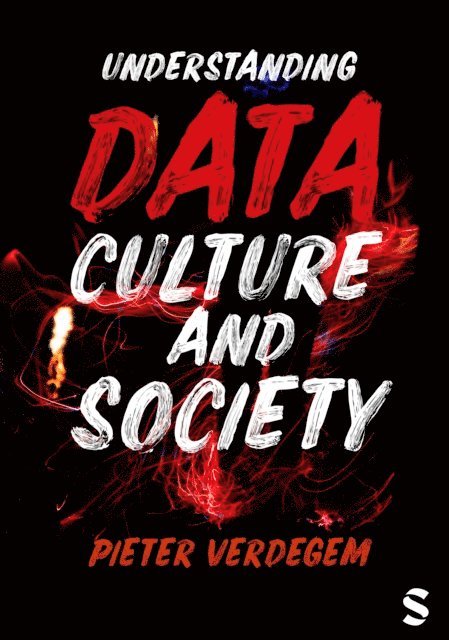
- How is data shaping our identities?- What was the 'data revolution', and how did it happen?- How will AI change our societies?We live in the age of datafication: every aspect of our lives has been captured and transformed into data, from our sleeping patterns and step counts to our buying habits and political views. In this exciting new textbook, you will discover the intricate ways in which data and society are interwoven. Explaining key concepts such as 'big data' and putting theory into practice throughout, this book will make you a better expert in data and society, offering an interdisciplinary overview of a rapidly evolving field. This textbook tackles the implications of big data for democracy, identity and the global economy, showing how we cannot view our lives as separate from the technologies we have come to rely on. With learning objectives, case studies, further reading and extra resources provided in each chapter, this book is the ideal companion for students in the digital humanities and social sciences looking to deepen their understanding of data, culture and society.
447 kr
Skickas inom 5-8 vardagar
- How is data shaping our identities?- What was the 'data revolution', and how did it happen?- How will AI change our societies?We live in the age of datafication: every aspect of our lives has been captured and transformed into data, from our sleeping patterns and step counts to our buying habits and political views. In this exciting new textbook, you will discover the intricate ways in which data and society are interwoven. Explaining key concepts such as 'big data' and putting theory into practice throughout, this book will make you a better expert in data and society, offering an interdisciplinary overview of a rapidly evolving field. This textbook tackles the implications of big data for democracy, identity and the global economy, showing how we cannot view our lives as separate from the technologies we have come to rely on. With learning objectives, case studies, further reading and extra resources provided in each chapter, this book is the ideal companion for students in the digital humanities and social sciences looking to deepen their understanding of data, culture and society.
418 kr
Skickas inom 7-10 vardagar
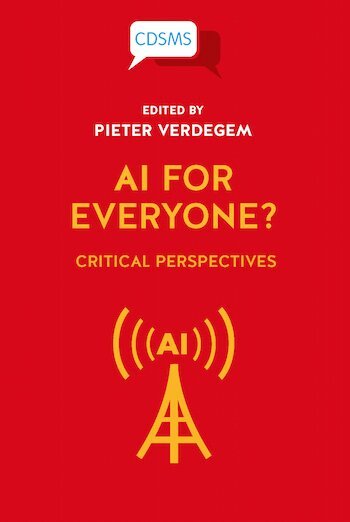
We are entering a new era of technological determinism and solutionism in which governments and business actors are seeking data-driven change, assuming that Artificial Intelligence is now inevitable and ubiquitous. But we have not even started asking the right questions, let alone developed an understanding of the consequences. Urgently needed is debate that asks and answers fundamental questions about power. This book brings together critical interrogations of what constitutes AI, its impact and its inequalities in order to offer an analysis of what it means for AI to deliver benefits for everyone. The book is structured in three parts: Part 1, AI: Humans vs. Machines, presents critical perspectives on human-machine dualism. Part 2, Discourses and Myths About AI, excavates metaphors and policies to ask normative questions about what is ‘desirable’ AI and what conditions make this possible. Part 3, AI Power and Inequalities, discusses how the implementation of AI creates important challenges that urgently need to be addressed. Bringing together scholars from diverse disciplinary backgrounds and regional contexts, this book offers a vital intervention on one of the most hyped concepts of our times.
219 kr
Skickas inom 7-10 vardagar
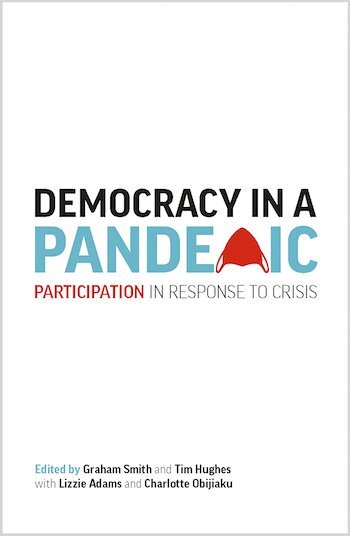
Covid-19 has highlighted limitations in our democratic politics – but also lessons for how to deepen our democracy and more effectively respond to future crises. In the face of an emergency, the working assumption all too often is that only a centralised, top-down response is possible. This book exposes the weakness of this assumption, making the case for deeper participation and deliberation in times of crises. During the pandemic, mutual aid and self-help groups have realised unmet needs. And forward-thinking organisations have shown that listening to and working with diverse social groups leads to more inclusive outcomes. Participation and deliberation are not just possible in an emergency. They are valuable, perhaps even indispensable. This book draws together a diverse range of voices of activists, practitioners, policy makers, researchers and writers. Together they make visible the critical role played by participation and deliberation during the pandemic and make the case for enhanced engagement during and beyond emergency contexts.Another, more democratic world can be realised in the face of a crisis. The contributors to this book offer us meaningful insights into what this could look like.