Piotr Duda – författare
Visar alla böcker från författaren Piotr Duda. Handla med fri frakt och snabb leverans.
5 produkter
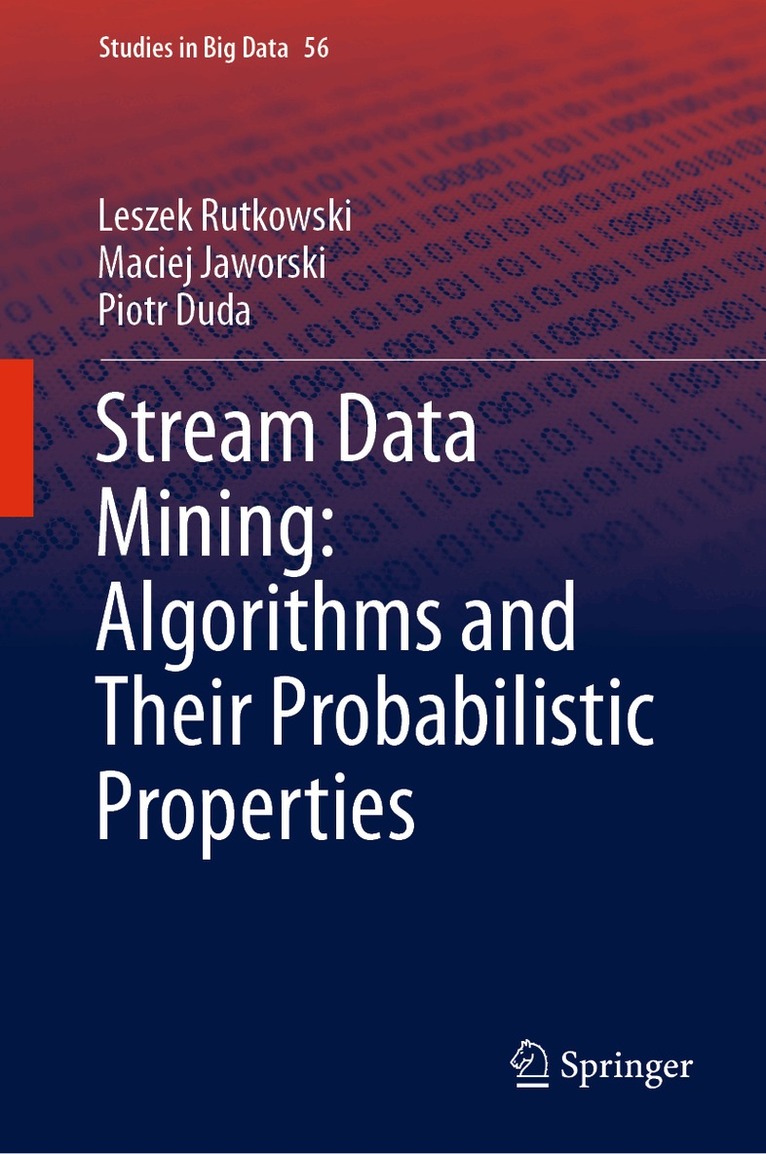
Stream Data Mining: Algorithms and Their Probabilistic Properties
Av Leszek Rutkowski, Maciej Jaworski m. fl.
Inbunden, 2019
1858 kr
Lägg i varukorg
This book presents a unique approach to stream data mining. Unlike the vast majority of previous approaches, which are largely based on heuristics, it highlights methods and algorithms that are mathematically justified. First, it describes how to adapt static decision trees to accommodate data …
Stream Data Mining: Algorithms and Their Probabilistic Properties
Av Piotr Duda, Maciej Jaworski m. fl.
E-bok, 2019
2359 kr
Lägg i varukorg
This book presents a unique approach to stream data mining. Unlike the vast majority of previous approaches, which are largely based on heuristics, it highlights methods and algorithms that are mathematically justified. First, it describes how to adapt static decision trees to accommodate data …
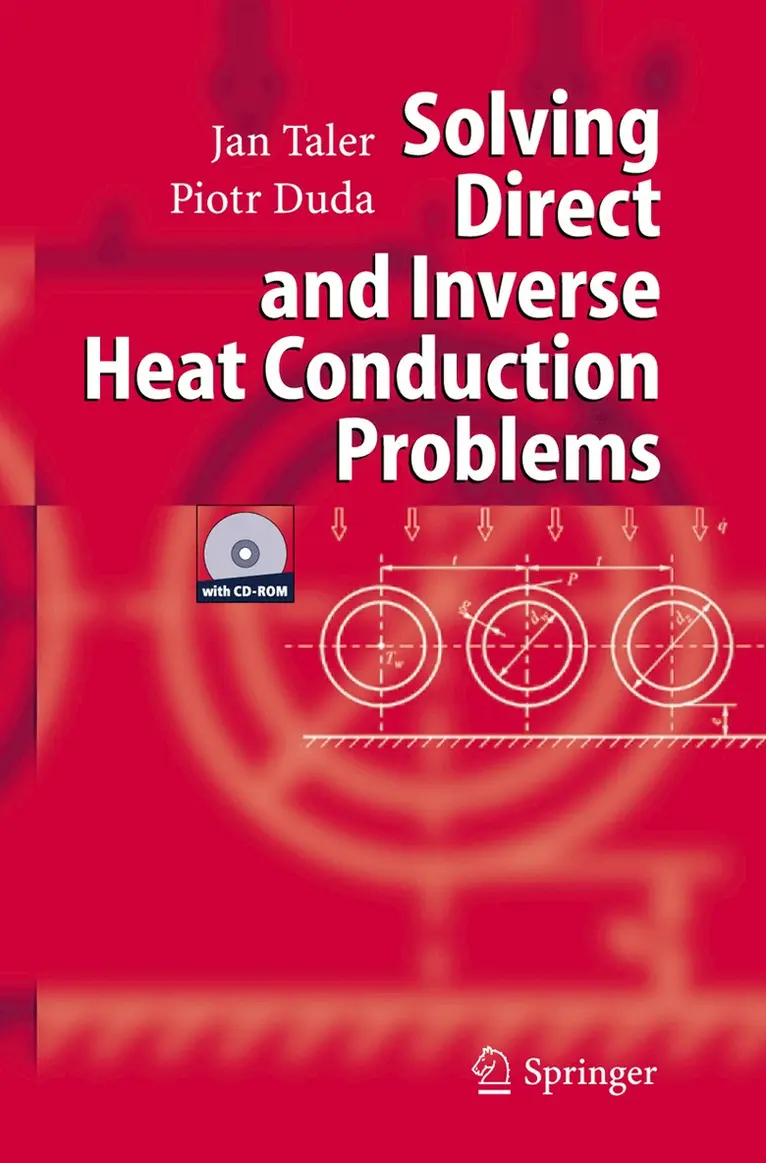
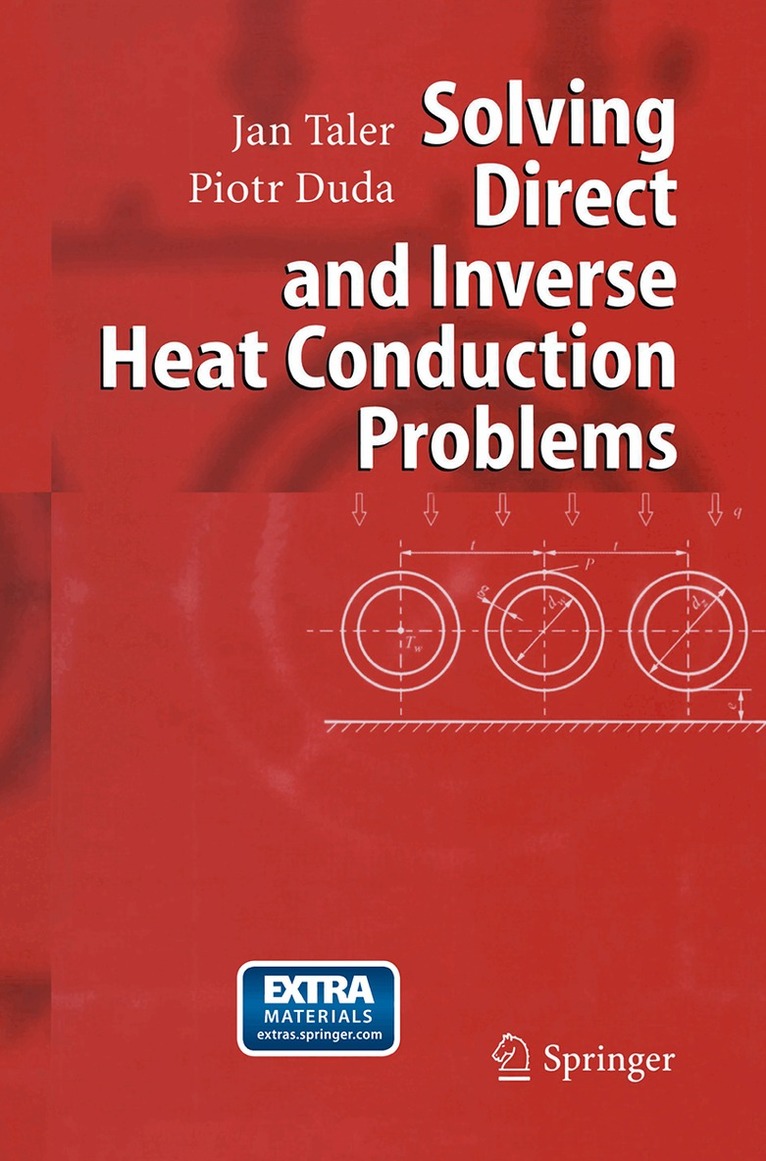
Solving Direct and Inverse Heat Conduction Problems
Av Jan Taler, Piotr Duda
Inbunden, 2006
2185 kr
Lägg i varukorg
This book is devoted to the concept of simple and inverse heat conduction problems. The process of solving direct problems is based on the tempera ture determination when initial and boundary conditions are known, while the solving of inverse problems is based on the search for boundary condi …
Solving Direct and Inverse Heat Conduction Problems
Av Piotr Duda, Jan Taler
E-bok, 2010
2862 kr
Lägg i varukorg
This book is devoted to the concept of simple and inverse heat conduction problems. The process of solving direct problems is based on the tempera ture determination when initial and boundary conditions are known, while the solving of inverse problems is based on the search for boundary condi …
Solving Direct and Inverse Heat Conduction Problems
Av Jan Taler, Piotr Duda
Häftad, 2016
2185 kr
Lägg i varukorg
This book is devoted to the concept of simple and inverse heat conduction problems. The process of solving direct problems is based on the tempera ture determination when initial and boundary conditions are known, while the solving of inverse problems is based on the search for boundary condi …