Piotr Koryś – författare
Visar alla böcker från författaren Piotr Koryś. Handla med fri frakt och snabb leverans.
5 produkter
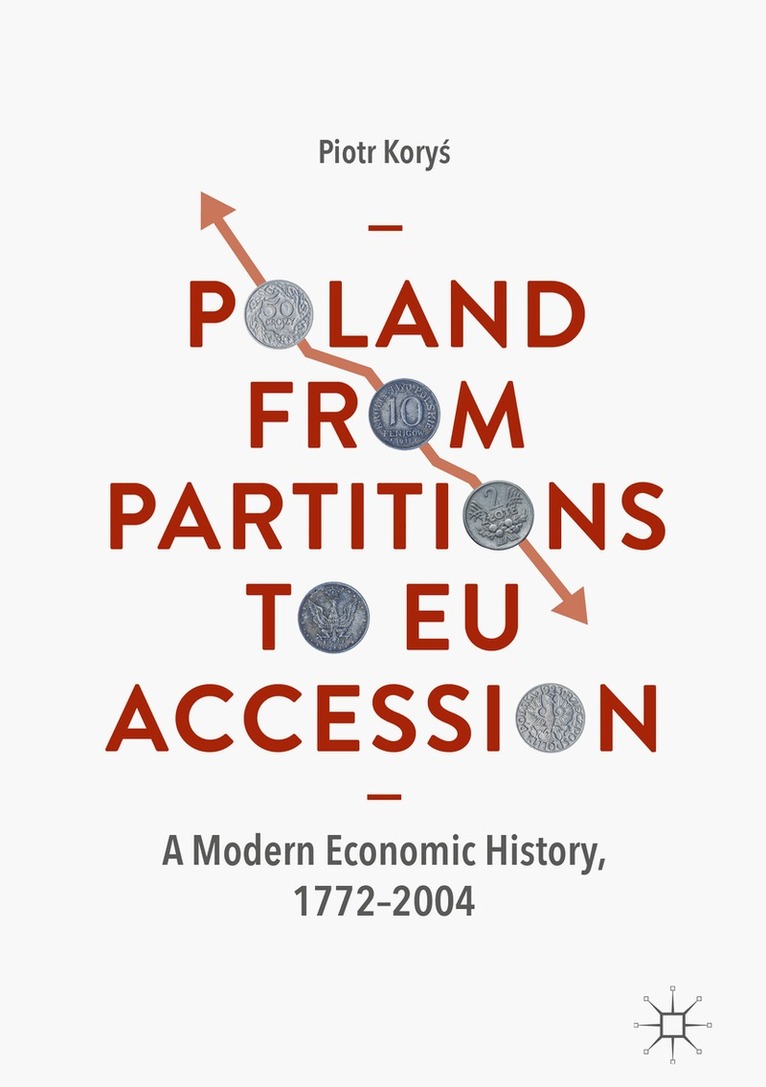
Poland From Partitions to EU Accession
A Modern Economic History, 1772–2004
Av Piotr Koryś
Häftad, 2019
1355 kr
Lägg i varukorg
This book surveys Poland’s move from being a post-feudal, backward, peripheral country to being a modern, capitalist, European state: from the partition of the commonwealth of Poland and Lithuania to the abolishment of ‘second serfdom’; late industrialization to state socialism; post-partition …
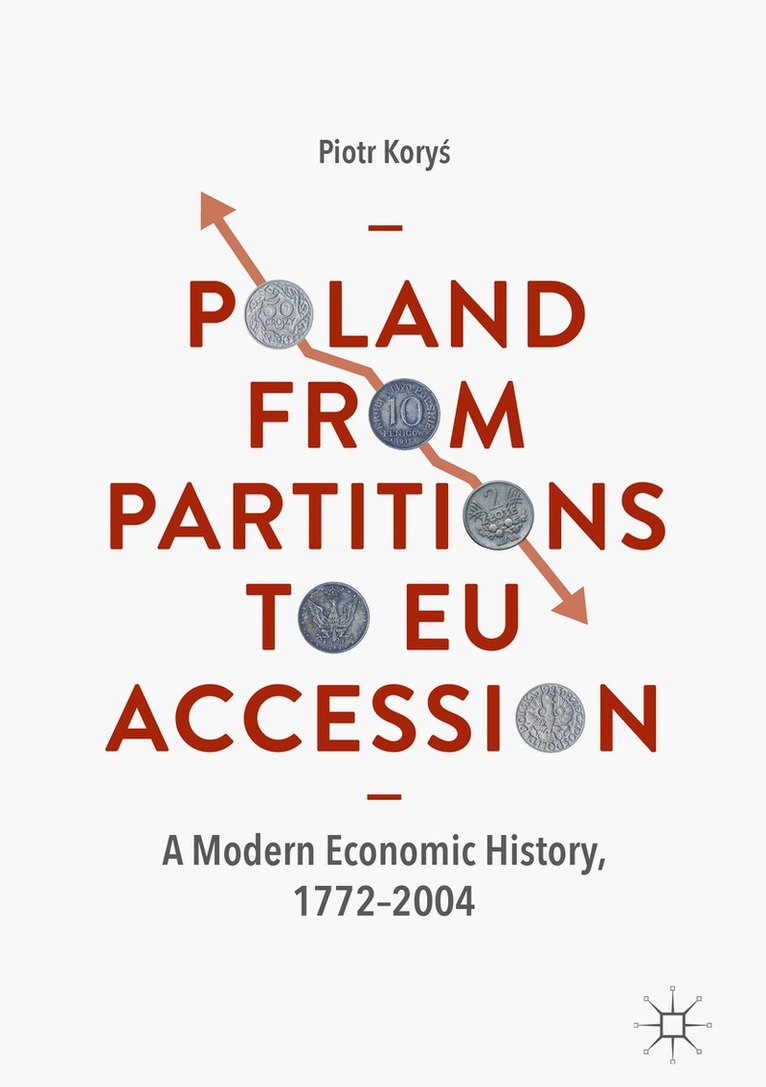
Poland From Partitions to EU Accession
A Modern Economic History, 1772–2004
Av Piotr Koryś
Inbunden, 2018
1355 kr
Lägg i varukorg
This book surveys Poland’s move from being a post-feudal, backward, peripheral country to being a modern, capitalist, European state: from the partition of the commonwealth of Poland and Lithuania to the abolishment of ‘second serfdom’; late industrialization to state socialism; post-partition …
Poland From Partitions to EU Accession
A Modern Economic History, 1772–2004
Av Piotr Korys
E-bok, 2018
1838 kr
Lägg i varukorg
This book surveys Poland’s move from being a post-feudal, backward, peripheral country to being a modern, capitalist, European state: from the partition of the commonwealth of Poland and Lithuania to the abolishment of ‘second serfdom’; late industrialization to state socialism; post-partition …
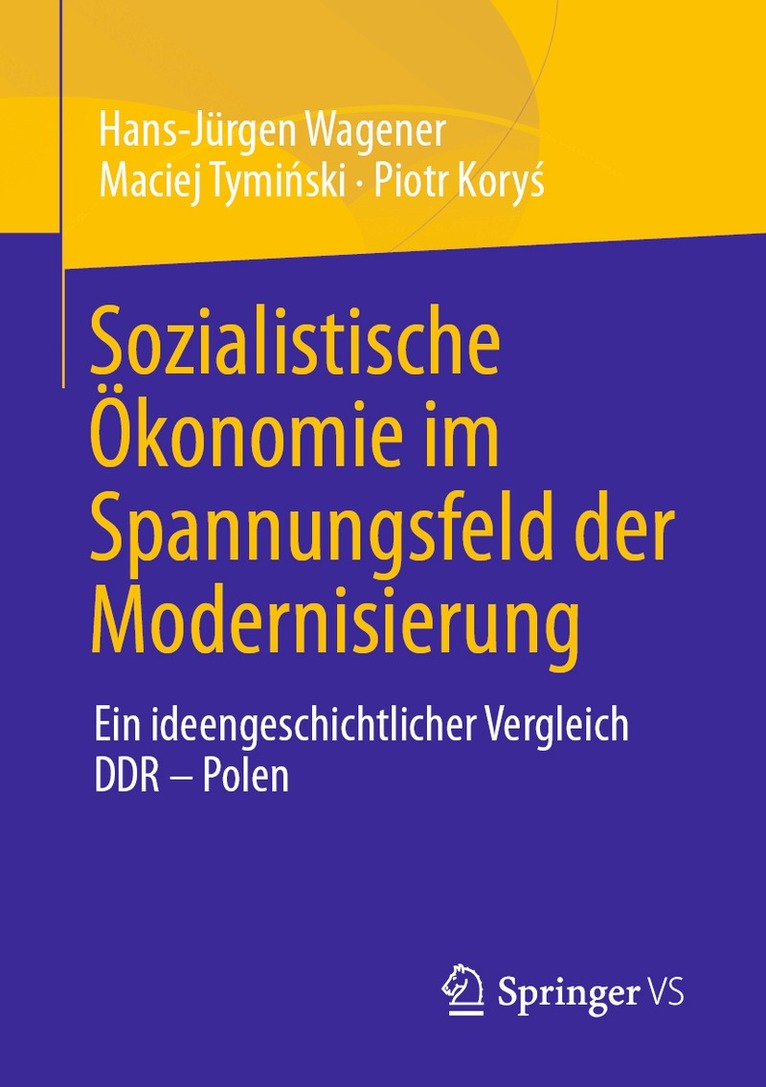
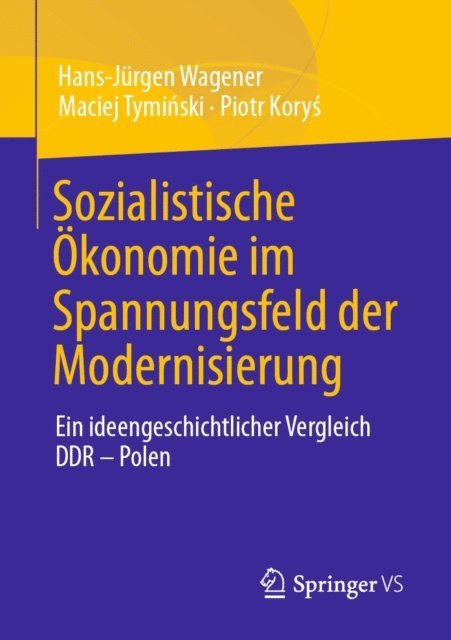
Sozialistische Ökonomie im Spannungsfeld der Modernisierung
Ein ideengeschichtlicher Vergleich DDR – Polen
Av Hans-Jürgen Wagener, Maciej Tymiński m. fl.
Häftad, 2021
952 kr
Lägg i varukorg
Die DDR und Polen haben von 1945 bis 1989 versucht, das kollektivistische Modernisierungsprojekt zu verwirklichen – den real existierenden Sozialismus. Das Buch vergleicht die unterschiedliche Entwicklung der systemtheoretischen und wirtschaftspolitischen Ideen in beiden Ländern. Trotz einer …
Sozialistische Ökonomie im Spannungsfeld der Modernisierung
Ein ideengeschichtlicher Vergleich DDR – Polen
Av Piotr Korys, Maciej Tyminski m. fl.
E-bok, 2021
978 kr
Lägg i varukorg
Die DDR und Polen haben von 1945 bis 1989 versucht, das kollektivistische Modernisierungsprojekt zu verwirklichen – den real existierenden Sozialismus. Das Buch vergleicht die unterschiedliche Entwicklung der systemtheoretischen und wirtschaftspolitischen Ideen in beiden Ländern. Trotz einer …