Piotr Spyra - Böcker
Visar alla böcker från författaren Piotr Spyra. Handla med fri frakt och snabb leverans.
4 produkter
4 produkter
664 kr
Skickas inom 10-15 vardagar
Examining the fairies of medieval romance as liminal beings, this book draws on anthropological and philosophical studies of liminality to combine folkloristic insights into the nature of fairies with close readings of selected romance texts. Tracing different meanings and manifestations of liminality in Sir Gawain and the Green Knight, Sir Orfeo, Sir Launfal, Thomas of Erceldoune and Robert Henryson’s Orpheus and Eurydice, the volume offers a comprehensive theory of liminality rooted in structuralist anthropology and poststructuralist theory. Arguing that romance fairies both embody and represent the liminal, The Liminality of Fairies posits and answers fundamental theoretical questions about the limits of representation and the relationship between romance hermeneutics and criticism. The interdisciplinary nature of the argument will appeal not just to medievalists and literary critics but also to anthropologists, folklorists as well as scholars working within the fields of cultural history and contemporary literary theory.
2 430 kr
Skickas inom 10-15 vardagar
Examining the fairies of medieval romance as liminal beings, this book draws on anthropological and philosophical studies of liminality to combine folkloristic insights into the nature of fairies with close readings of selected romance texts. Tracing different meanings and manifestations of liminality in Sir Gawain and the Green Knight, Sir Orfeo, Sir Launfal, Thomas of Erceldoune and Robert Henryson’s Orpheus and Eurydice, the volume offers a comprehensive theory of liminality rooted in structuralist anthropology and poststructuralist theory. Arguing that romance fairies both embody and represent the liminal, The Liminality of Fairies posits and answers fundamental theoretical questions about the limits of representation and the relationship between romance hermeneutics and criticism. The interdisciplinary nature of the argument will appeal not just to medievalists and literary critics but also to anthropologists, folklorists as well as scholars working within the fields of cultural history and contemporary literary theory.
649 kr
Skickas inom 10-15 vardagar
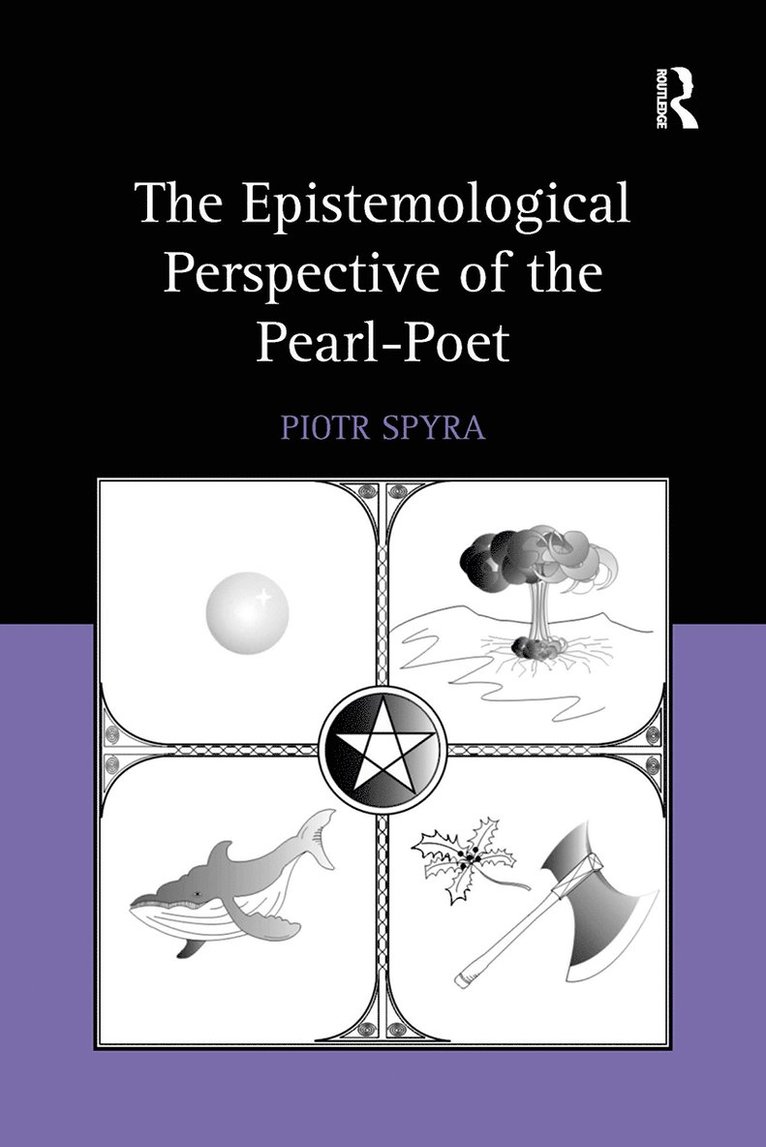
Original and engaging, this study presents the four anonymous poems found in the Cotton Nero MS - Pearl, Cleanness, Patience, and Sir Gawain and the Green Knight - as a composite text with a continuous narrative. While it is widely accepted that the poems attributed to the Pearl-Poet ought to be read together, this book demonstrates that instead of being analyzed as four distinct, though interconnected, textual entities, they ought to be studied as a single literary unit that produces meaning through its own intricate internal structure. Piotr Spyra defines the epistemological thought of Saint Augustine as an interpretive key which, when applied to the composite text of the manuscript, reveals a fabric of thematic continuity. This book ultimately provides the reader with a clear sense of the poet's perspective on the nature of human knowledge as well as its moral implications and with a deeper understanding of how the poems bring the theological and philosophical problems of the Middle Ages to bear on the individual human experience.
664 kr
Skickas inom 10-15 vardagar
Original and engaging, this study presents the four anonymous poems found in the Cotton Nero MS - Pearl, Cleanness, Patience, and Sir Gawain and the Green Knight - as a composite text with a continuous narrative. While it is widely accepted that the poems attributed to the Pearl-Poet ought to be read together, this book demonstrates that instead of being analyzed as four distinct, though interconnected, textual entities, they ought to be studied as a single literary unit that produces meaning through its own intricate internal structure. Piotr Spyra defines the epistemological thought of Saint Augustine as an interpretive key which, when applied to the composite text of the manuscript, reveals a fabric of thematic continuity. This book ultimately provides the reader with a clear sense of the poet's perspective on the nature of human knowledge as well as its moral implications and with a deeper understanding of how the poems bring the theological and philosophical problems of the Middle Ages to bear on the individual human experience.