Piya Chatterjee - Böcker
Visar alla böcker från författaren Piya Chatterjee. Handla med fri frakt och snabb leverans.
16 produkter
16 produkter
444 kr
Skickas inom 7-10 vardagar
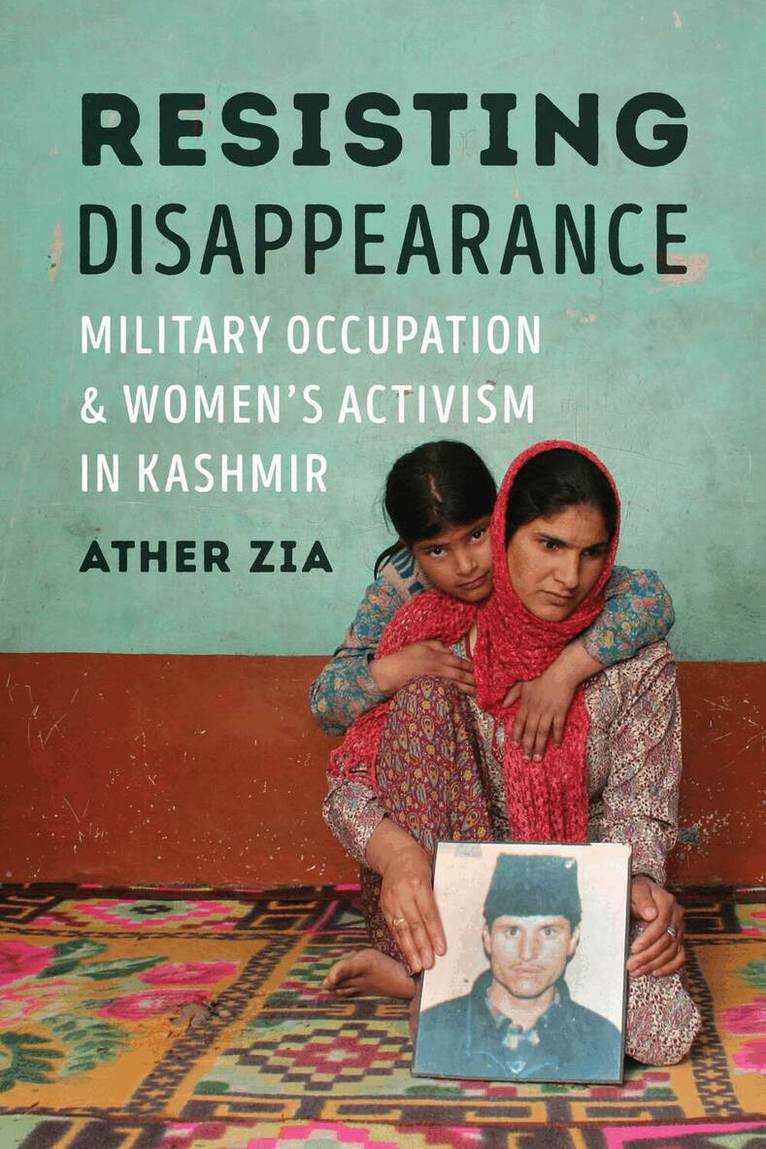
In Kashmir’s frigid winter a woman leaves her door cracked open, waiting for the return of her only son. Every month in a public park in Srinagar, a child remembers her father as she joins her mother in collective mourning. The activist women who form the Association of the Parents of the Disappeared Persons (APDP) keep public attention focused on the 8,000 to 10,000 Kashmiri men disappeared by the Indian government forces since 1989. Surrounded by Indian troops, international photojournalists, and curious onlookers, the APDP activists cry, lament, and sing while holding photos and files documenting the lives of their disappeared loved ones. In this radical departure from traditionally private rituals of mourning, they create a spectacle of mourning that combats the government’s threatening silence about the fates of their sons, husbands, and fathers.Drawn from Ather Zia’s ten years of engagement with the APDP as an anthropologist and fellow Kashmiri activist, Resisting Disappearance follows mothers and “half-widows” as they step boldly into courts, military camps, and morgues in search of their disappeared kin. Through an amalgam of ethnography, poetry, and photography, Zia illuminates how dynamics of gender and trauma in Kashmir have been transformed in the face of South Asia’s longest-running conflict, providing profound insight into how Kashmiri women and men nurture a politics of resistance while facing increasing military violence under India.
1 790 kr
Skickas inom 7-10 vardagar
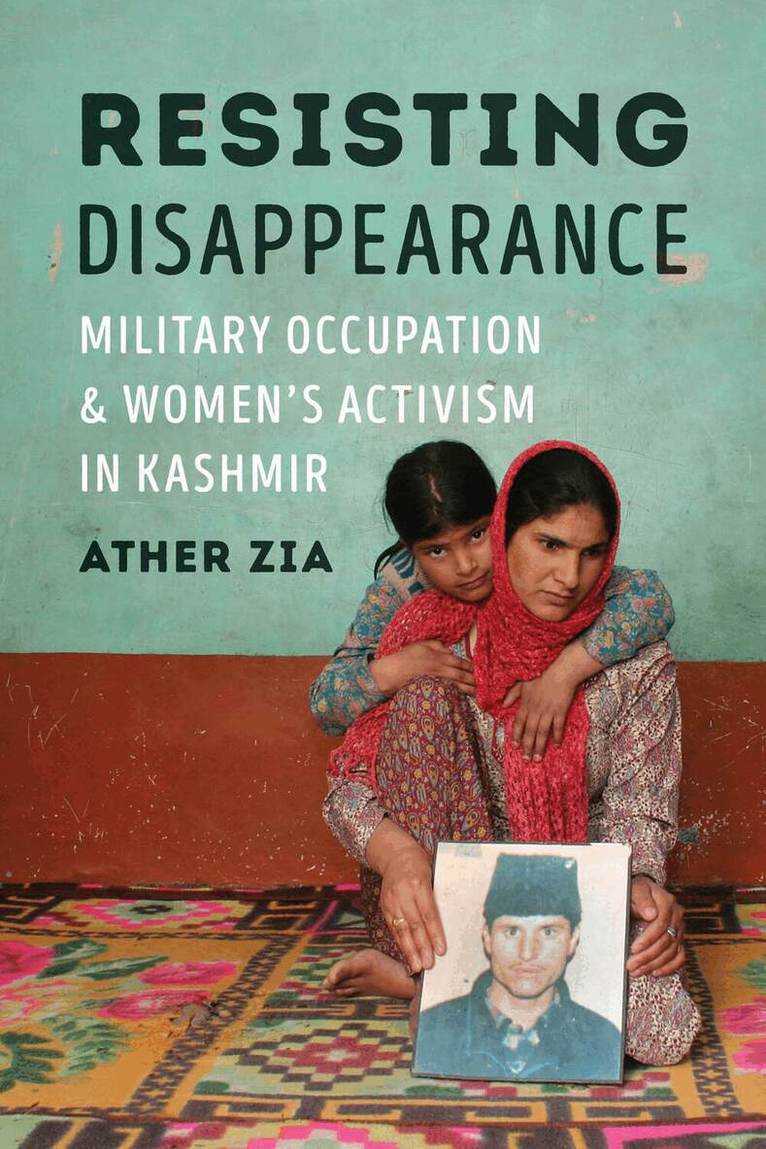
In Kashmir’s frigid winter a woman leaves her door cracked open, waiting for the return of her only son. Every month in a public park in Srinagar, a child remembers her father as she joins her mother in collective mourning. The activist women who form the Association of the Parents of the Disappeared Persons (APDP) keep public attention focused on the 8,000 to 10,000 Kashmiri men disappeared by the Indian government forces since 1989. Surrounded by Indian troops, international photojournalists, and curious onlookers, the APDP activists cry, lament, and sing while holding photos and files documenting the lives of their disappeared loved ones. In this radical departure from traditionally private rituals of mourning, they create a spectacle of mourning that combats the government’s threatening silence about the fates of their sons, husbands, and fathers.Drawn from Ather Zia’s ten years of engagement with the APDP as an anthropologist and fellow Kashmiri activist, Resisting Disappearance follows mothers and “half-widows” as they step boldly into courts, military camps, and morgues in search of their disappeared kin. Through an amalgam of ethnography, poetry, and photography, Zia illuminates how dynamics of gender and trauma in Kashmir have been transformed in the face of South Asia’s longest-running conflict, providing profound insight into how Kashmiri women and men nurture a politics of resistance while facing increasing military violence under India.

1 790 kr
Skickas inom 7-10 vardagar
The vibrant media landscape in the southern Indian state of Kerala, where kiosks overflow with magazines and colorful film posters line roadside walls, creates a sexually charged public sphere that has a long history of political protests. The 2014 “Kiss of Love” campaign garnered national attention, sparking controversy as images of activists kissing in public and dragged into police vans flooded the media. In Unruly Figures, Navaneetha Mokkil tracks the cultural practices through which sexual figures—particularly the sex worker and the lesbian—are produced in the public imagination. Her analysis includes representations of the prostitute figure in popular media, trajectories of queerness in Malayalam films, public discourse on lesbian sexuality, the autobiographical project of sex worker and activist Nalini Jameela, and the memorialization of murdered transgender activist Sweet Maria, showing how various marginalized figures stage their own fractured journeys of resistance in the post-1990s context of globalization.By bringing a substantial body of Malayalam-language literature and media texts on gender, sexuality, and social justice into conversation with current debates around sexuality studies and transnational feminism in Asian and Anglo-American academia, Mokkil reorients the debates on sexuality in India by considering the fraught trajectories of identity and rights.
444 kr
Skickas inom 7-10 vardagar
The vibrant media landscape in the southern Indian state of Kerala, where kiosks overflow with magazines and colorful film posters line roadside walls, creates a sexually charged public sphere that has a long history of political protests. The 2014 “Kiss of Love” campaign garnered national attention, sparking controversy as images of activists kissing in public and dragged into police vans flooded the media. In Unruly Figures, Navaneetha Mokkil tracks the cultural practices through which sexual figures—particularly the sex worker and the lesbian—are produced in the public imagination. Her analysis includes representations of the prostitute figure in popular media, trajectories of queerness in Malayalam films, public discourse on lesbian sexuality, the autobiographical project of sex worker and activist Nalini Jameela, and the memorialization of murdered transgender activist Sweet Maria, showing how various marginalized figures stage their own fractured journeys of resistance in the post-1990s context of globalization.By bringing a substantial body of Malayalam-language literature and media texts on gender, sexuality, and social justice into conversation with current debates around sexuality studies and transnational feminism in Asian and Anglo-American academia, Mokkil reorients the debates on sexuality in India by considering the fraught trajectories of identity and rights.
1 738 kr
Skickas inom 7-10 vardagar
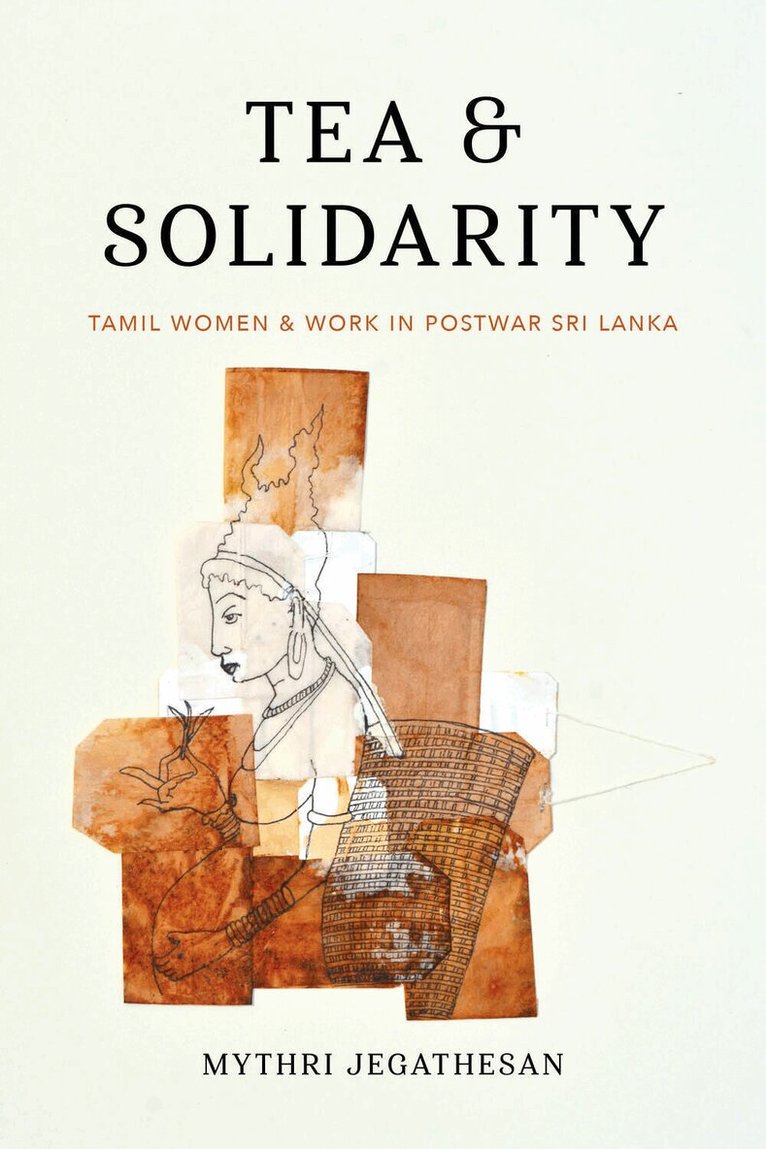
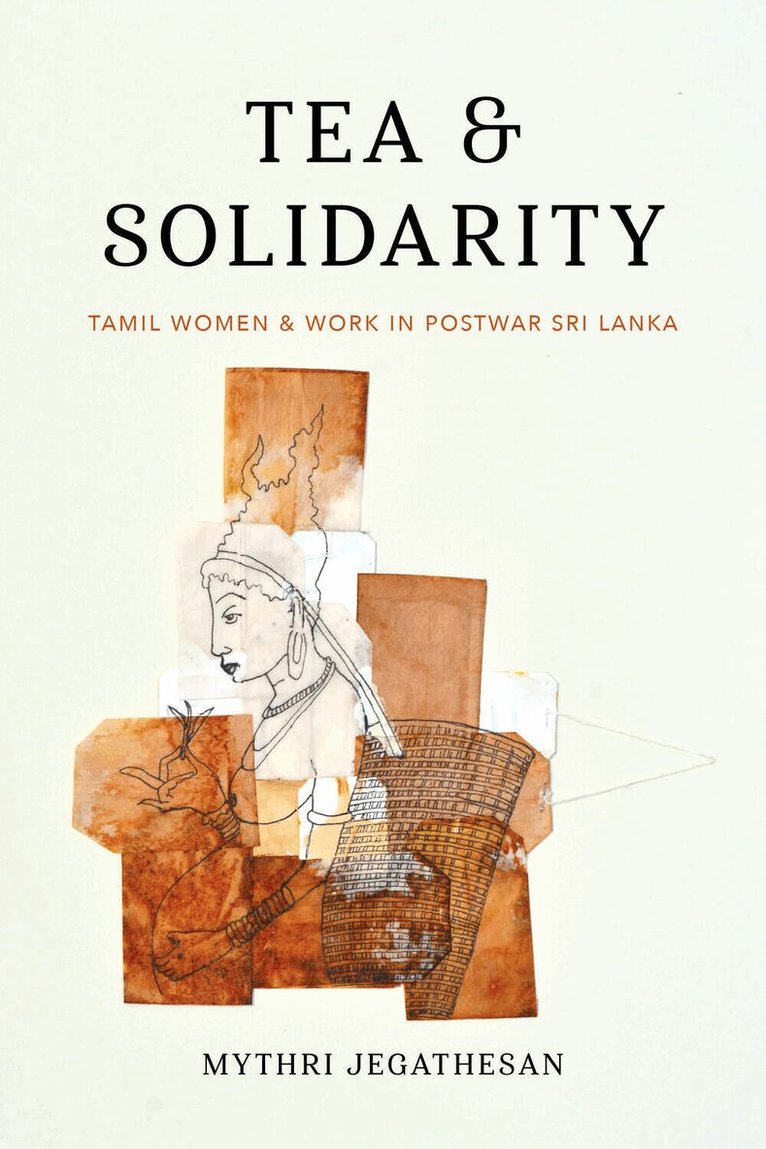
Beyond nostalgic tea industry ads romanticizing colonial Ceylon and the impoverished conditions that beleaguer Tamil tea workers are the stories of the women, men, and children who have built their families and lives in line houses on tea plantations since the nineteenth century. The tea industry’s economic crisis and Sri Lanka's twenty-six year long civil war have ushered in changes to life and work on the plantations, where family members now migrate from plucking tea to performing domestic work in the capital city of Colombo or farther afield in the Middle East. Using feminist ethnographic methods in research that spans the transitional time between 2008 and 2017, Mythri Jegathesan presents the lived experience of these women and men working in agricultural, migrant, and intimate labor sectors.In Tea and Solidarity, Jegathesan seeks to expand anthropological understandings of dispossession, drawing attention to the political significance of gender as a key feature in investment and place making in Sri Lanka specifically, and South Asia more broadly. This vivid and engaging ethnography sheds light on an otherwise marginalized and often invisible minority whose labor and collective heritage of dispossession as “coolies” in colonial Ceylon are central to Sri Lanka’s global recognition, economic growth, and history as a postcolonial nation.
431 kr
Skickas inom 7-10 vardagar
Beyond nostalgic tea industry ads romanticizing colonial Ceylon and the impoverished conditions that beleaguer Tamil tea workers are the stories of the women, men, and children who have built their families and lives in line houses on tea plantations since the nineteenth century. The tea industry’s economic crisis and Sri Lanka's twenty-six year long civil war have ushered in changes to life and work on the plantations, where family members now migrate from plucking tea to performing domestic work in the capital city of Colombo or farther afield in the Middle East. Using feminist ethnographic methods in research that spans the transitional time between 2008 and 2017, Mythri Jegathesan presents the lived experience of these women and men working in agricultural, migrant, and intimate labor sectors.In Tea and Solidarity, Jegathesan seeks to expand anthropological understandings of dispossession, drawing attention to the political significance of gender as a key feature in investment and place making in Sri Lanka specifically, and South Asia more broadly. This vivid and engaging ethnography sheds light on an otherwise marginalized and often invisible minority whose labor and collective heritage of dispossession as “coolies” in colonial Ceylon are central to Sri Lanka’s global recognition, economic growth, and history as a postcolonial nation.
1 790 kr
Skickas inom 7-10 vardagar
Political tensions between Iran and the United States in the post-9/11 period and the Global War on Terror have set the stage for Iranian women’s rights activists inside and outside Iran as they seek full legal equality under the Islamic Republic. Axis of Hope recounts activists’ struggles through critical analysis of their narratives, including the One Million Signatures Campaign to End Discriminatory Law, the memoirs of human rights lawyer and Nobel Prize–winner Shirin Ebadi, and the life story of feminist Mahboubeh Abbasgholizadeh and her activist project ZananTV. Catherine Sameh examines how Iranian women’s rights activists have cultivated ways of thinking of and being with each other that rupture the relentless difference-making and violence of coloniality through local and transnational networks along axes of feminist solidarity, friendship, and love.Crucial to countering despair and cynicism about Iran as well as the dangerous interventions by Western powers “on behalf of” Iranians, activists’ experiences speak to the possibilities and challenges of transnational alliances in confronting oppressive regimes. These stories are particularly germane in such precarious times, marked by war, isolation, sanctions, and the intense demonization of Iranians and Muslims, as well as authoritarianism, militarism, and patriarchal nationalisms around the world. Situating postreform women’s rights activism within the unfolding, decades-long project to democratize Iran from within, Axis of Hope makes a timely contribution to studies of feminist movements, women’s human rights in Muslim contexts, activism and new media, and the relationship between activism, civil society, and the state.
444 kr
Skickas inom 7-10 vardagar
Political tensions between Iran and the United States in the post-9/11 period and the Global War on Terror have set the stage for Iranian women's rights activists inside and outside Iran as they seek full legal equality under the Islamic Republic. Axis of Hope recounts activists' struggles through critical analysis of their narratives, including the One Million Signatures Campaign to End Discriminatory Law, the memoirs of human rights lawyer and Nobel Prize–winner Shirin Ebadi, and the life story of feminist Mahboubeh Abbasgholizadeh and her activist project ZananTV. Catherine Sameh examines how Iranian women's rights activists have cultivated ways of thinking of and being with each other that rupture the relentless difference-making and violence of coloniality through local and transnational networks along axes of feminist solidarity, friendship, and love.Crucial to countering despair and cynicism about Iran as well as the dangerous interventions by Western powers "on behalf of" Iranians, activists' experiences speak to the possibilities and challenges of transnational alliances in confronting oppressive regimes. These stories are particularly germane in such precarious times, marked by war, isolation, sanctions, and the intense demonization of Iranians and Muslims, as well as authoritarianism, militarism, and patriarchal nationalisms around the world. Situating postreform women's rights activism within the unfolding, decades-long project to democratize Iran from within, Axis of Hope makes a timely contribution to studies of feminist movements, women's human rights in Muslim contexts, activism and new media, and the relationship between activism, civil society, and the state.
1 790 kr
Skickas inom 7-10 vardagar
Winner of the 2022 Book of the Year Award, sponsored by the Latina & Latino Communication Studies Division of the National Communication AssociationWinner of the 2022 Diamond Anniversary Book Award, sponsored by the National Communication AssociationUnpacks the exclusionary politics of AIDS and traces little-known coalitions among affected communitiesAs soon as US media and politicians became aware of AIDS in the early 1980s, fingers were pointed not only at the gay community but also at other countries and migrant communities, particularly Haitians, as responsible for spreading the virus. Evangelical leaders, public health officials, and the Reagan administration quickly capitalized on widespread fear of the new disease to call for quarantines, immigration bans, and deportations, scapegoating and blaming HIV-positive migrants—even as the rest of the world regarded the US as the primary exporter of the virus.In The Borders of AIDS, Karma Chávez demonstrates how such calls proliferated and how failure to impose a quarantine for HIV-positive citizens morphed into the successful enactment of a complete ban on the regularization of HIV-positive migrants—which lasted more than twenty years. News reports, congressional records, and AIDS activist archives reveal how queer groups and migrant communities built fragile coalitions to fight against the alienation of themselves and others, asserting their capacity for resistance and resiliency. Building on existing histories of HIV/AIDS, public health, citizenship, and immigration, Chávez establishes how politicians and public health officials treated different communities with HIV/AIDS and highlights the work these communities did to resist alienation.
444 kr
Skickas inom 7-10 vardagar
Winner of the 2022 Book of the Year Award, sponsored by the Latina & Latino Communication Studies Division of the National Communication AssociationWinner of the 2022 Diamond Anniversary Book Award, sponsored by the National Communication AssociationUnpacks the exclusionary politics of AIDS and traces little-known coalitions among affected communitiesAs soon as US media and politicians became aware of AIDS in the early 1980s, fingers were pointed not only at the gay community but also at other countries and migrant communities, particularly Haitians, as responsible for spreading the virus. Evangelical leaders, public health officials, and the Reagan administration quickly capitalized on widespread fear of the new disease to call for quarantines, immigration bans, and deportations, scapegoating and blaming HIV-positive migrants—even as the rest of the world regarded the US as the primary exporter of the virus.In The Borders of AIDS, Karma Chávez demonstrates how such calls proliferated and how failure to impose a quarantine for HIV-positive citizens morphed into the successful enactment of a complete ban on the regularization of HIV-positive migrants—which lasted more than twenty years. News reports, congressional records, and AIDS activist archives reveal how queer groups and migrant communities built fragile coalitions to fight against the alienation of themselves and others, asserting their capacity for resistance and resiliency. Building on existing histories of HIV/AIDS, public health, citizenship, and immigration, Chávez establishes how politicians and public health officials treated different communities with HIV/AIDS and highlights the work these communities did to resist alienation.
415 kr
Skickas inom 7-10 vardagar
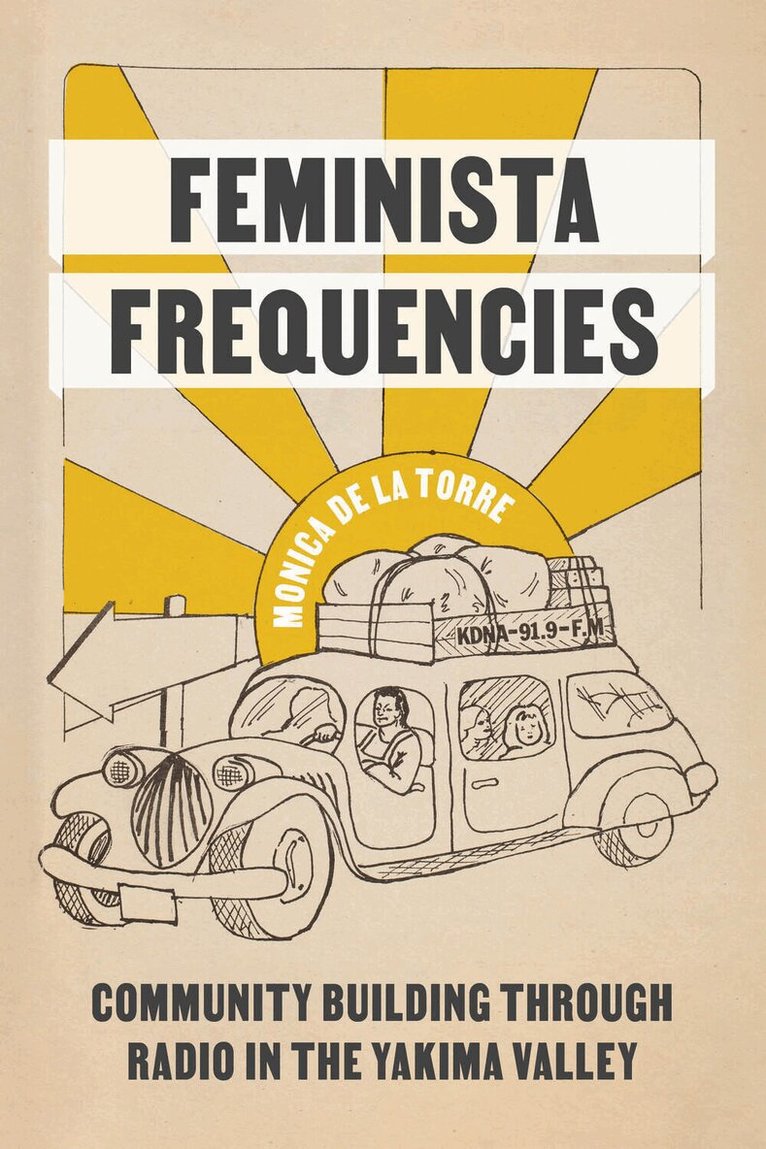
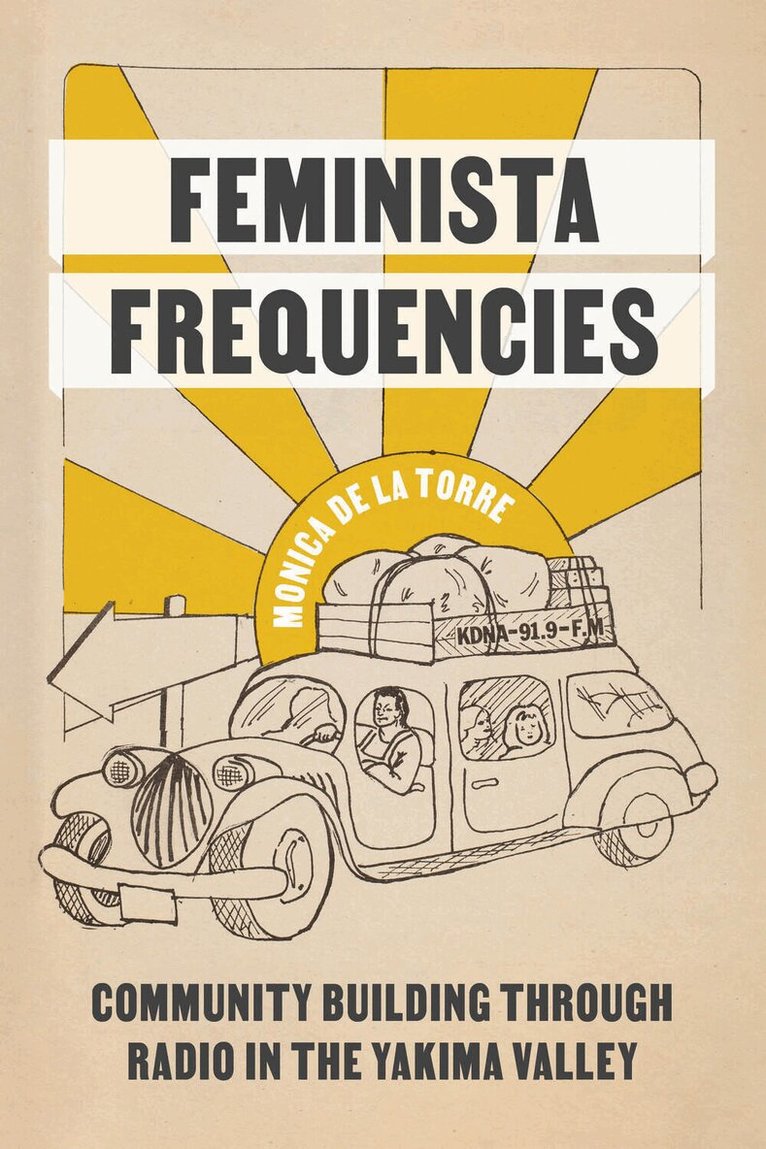
How Chicana and Chicano community radio strengthened a movement and transformed the airwavesBeginning in the 1970s Chicana and Chicano organizers turned to community radio broadcasting to educate, entertain, and uplift Mexican American listeners across the United States. In rural areas, radio emerged as the most effective medium for reaching relatively isolated communities such as migrant farmworkers. And in Washington’s Yakima Valley, where the media landscape was dominated by perspectives favorable to agribusiness, community radio for and about farmworkers became a life-sustaining tool.Feminista Frequencies unearths the remarkable history of one of the United States’ first full-time Spanish-language community radio stations, Radio KDNA, which began broadcasting in the Yakima Valley in 1979. Extensive interviews reveal the work of Chicana and Chicano producers, on-air announcers, station managers, technical directors, and listeners who contributed to the station’s success. Monica De La Torre weaves these oral histories together with a range of visual and audio artifacts, including radio programs, program guides, and photographs to situate KDNA within the larger network of Chicano community-based broadcasting and social movement activism. Feminista Frequencies highlights the development of a public broadcasting model that centered Chicana radio producers and documents the central role of women in developing this infrastructure in the Yakima Valley. De La Torre shows how KDNA revolutionized community radio programming, adding new depth to the history of the Chicano movement, women’s activism, and media histories.
1 790 kr
Skickas inom 7-10 vardagar
How Chicana and Chicano community radio strengthened a movement and transformed the airwavesBeginning in the 1970s Chicana and Chicano organizers turned to community radio broadcasting to educate, entertain, and uplift Mexican American listeners across the United States. In rural areas, radio emerged as the most effective medium for reaching relatively isolated communities such as migrant farmworkers. And in Washington’s Yakima Valley, where the media landscape was dominated by perspectives favorable to agribusiness, community radio for and about farmworkers became a life-sustaining tool.Feminista Frequencies unearths the remarkable history of one of the United States’ first full-time Spanish-language community radio stations, Radio KDNA, which began broadcasting in the Yakima Valley in 1979. Extensive interviews reveal the work of Chicana and Chicano producers, on-air announcers, station managers, technical directors, and listeners who contributed to the station’s success. Monica De La Torre weaves these oral histories together with a range of visual and audio artifacts, including radio programs, program guides, and photographs to situate KDNA within the larger network of Chicano community-based broadcasting and social movement activism. Feminista Frequencies highlights the development of a public broadcasting model that centered Chicana radio producers and documents the central role of women in developing this infrastructure in the Yakima Valley. De La Torre shows how KDNA revolutionized community radio programming, adding new depth to the history of the Chicano movement, women’s activism, and media histories.
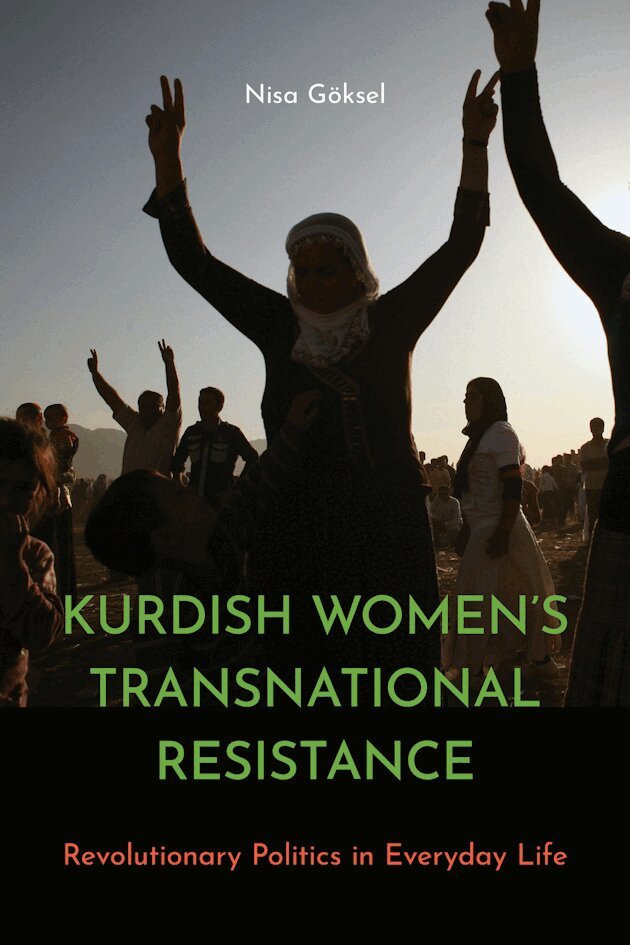
Kurdish Women’s Transnational Resistance
Revolutionary Politics in Everyday Life
Inbunden, Engelska, 2026
1 689 kr
Kommande
Reveals how Kurdish women mobilize political resistance within and beyond the boundaries of nation-state politics In January 2013, the assassination of three Kurdish militant women in Paris brought global attention to a movement that had already been transforming politics for decades. Since the 1980s, Kurdish women have mobilized across Turkey, the Middle East, and Europe, confronting war, displacement, and repression to forge one of the most dynamic transnational women’s movements of our time. In Kurdish Women’s Transnational Resistance, Nisa Göksel draws on years of multisite ethnography and archival research to illuminate the lives of ex-guerrillas, local activists, politicians, activist mothers, and migrant women who have carried the struggle across borders, advocating for the democratic and gendered transformation of Kurdistan and the wider Middle East. Moving beyond binary portrayals of women as either revolutionaries or terrorists, Göksel shows how they have created alternative political subjectivities, new political spaces, and novel gendered strategies at the precarious intersection of local and transnational politics. The book reveals how politically active Kurdish women navigate the liminal terrain between violence and nonviolence, family and politics, war and democracy. It traces their efforts to transform intimate spheres of kinship alongside public arenas of activism, municipal governance, and transnational advocacy. With ethnographic richness and theoretical depth, Göksel offers urgent insights into the resilience of women’s movements under authoritarianism, displacement, and war.
Kurdish Women’s Transnational Resistance
Revolutionary Politics in Everyday Life
Häftad, Engelska, 2026
379 kr
Kommande
Reveals how Kurdish women mobilize political resistance within and beyond the boundaries of nation-state politics In January 2013, the assassination of three Kurdish militant women in Paris brought global attention to a movement that had already been transforming politics for decades. Since the 1980s, Kurdish women have mobilized across Turkey, the Middle East, and Europe, confronting war, displacement, and repression to forge one of the most dynamic transnational women’s movements of our time. In Kurdish Women’s Transnational Resistance, Nisa Göksel draws on years of multisite ethnography and archival research to illuminate the lives of ex-guerrillas, local activists, politicians, activist mothers, and migrant women who have carried the struggle across borders, advocating for the democratic and gendered transformation of Kurdistan and the wider Middle East. Moving beyond binary portrayals of women as either revolutionaries or terrorists, Göksel shows how they have created alternative political subjectivities, new political spaces, and novel gendered strategies at the precarious intersection of local and transnational politics. The book reveals how politically active Kurdish women navigate the liminal terrain between violence and nonviolence, family and politics, war and democracy. It traces their efforts to transform intimate spheres of kinship alongside public arenas of activism, municipal governance, and transnational advocacy. With ethnographic richness and theoretical depth, Göksel offers urgent insights into the resilience of women’s movements under authoritarianism, displacement, and war.
301 kr
Skickas inom 7-10 vardagar
At colleges and universities throughout the United States, political protest and intellectual dissent are increasingly being met with repressive tactics by administrators, politicians, and the police-from the use of SWAT teams to disperse student protestors and the profiling of Muslim and Arab American students to the denial of tenure and dismissal of politically engaged faculty. The Imperial University brings together scholars, including some who have been targeted for their open criticism of American foreign policy and settler colonialism, to explore the policing of knowledge by explicitly linking the academy to the broader politics of militarism, racism, nationalism, and neoliberalism that define the contemporary imperial state.The contributors to this book argue that “academic freedom” is not a sufficient response to the crisis of intellectual repression. Instead, they contend that battles fought over academic containment must be understood in light of the academy’s relationship to U.S. expansionism and global capital. Based on multidisciplinary research, autobiographical accounts, and even performance scripts, this urgent analysis offers sobering insights into such varied manifestations of “the imperial university” as CIA recruitment at black and Latino colleges, the connections between universities and civilian and military prisons, and the gender and sexual politics of academic repression.Contributors: Thomas Abowd, Tufts U; Victor Bascara, UCLA; Dana Collins, California State U, Fullerton; Nicholas De Genova; Ricardo Dominguez, UC San Diego; Sylvanna FalcÓn, UC Santa Cruz; Farah Godrej, UC Riverside; Roberto J. Gonzalez, San Jose State U; Alexis Pauline Gumbs; Sharmila Lodhia, Santa Clara U; Julia C. Oparah, Mills College; Vijay Prashad, Trinity College; Jasbir Puar, Rutgers U; Laura Pulido, U of Southern California; Ana Clarissa Rojas Durazo, California State U, Long Beach; Steven Salaita, Virginia Tech; Molly Talcott, California State U, Los Angeles.
427 kr
Skickas inom 7-10 vardagar
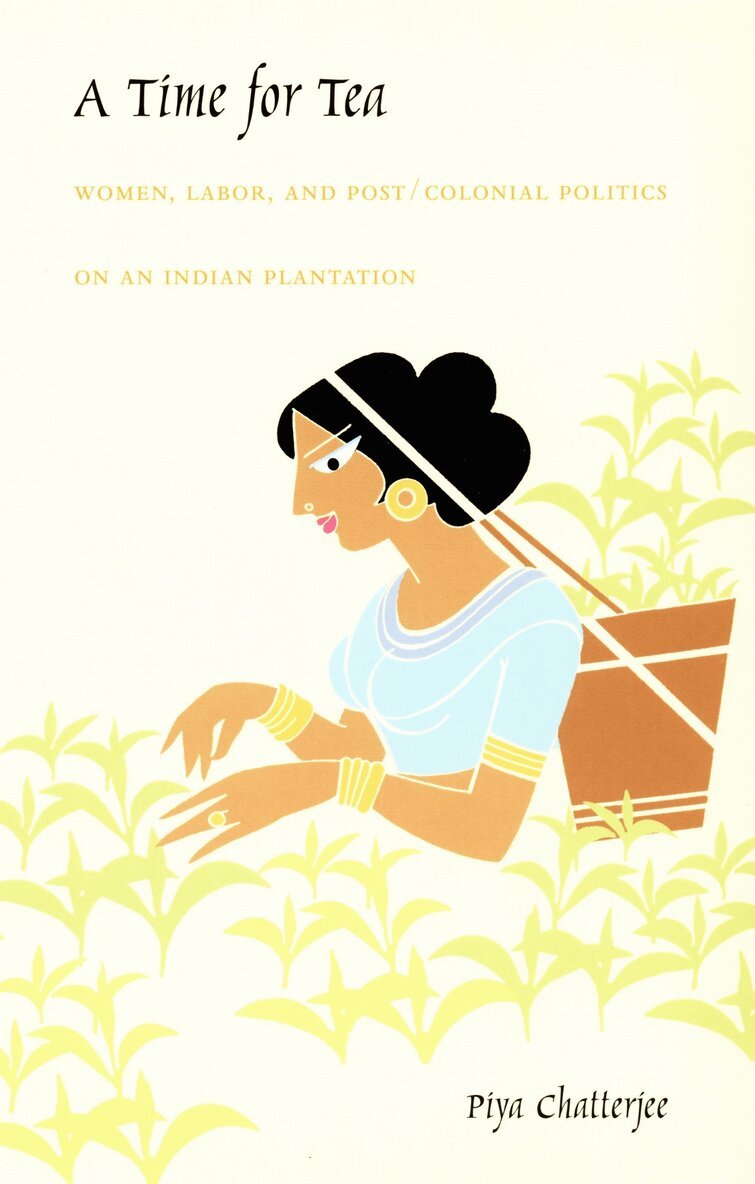
In this creative, ethnographic, and historical critique of labor practices on an Indian plantation, Piya Chatterjee provides a sophisticated examination of the production, consumption, and circulation of tea. A Time for Tea reveals how the female tea-pluckers seen in advertisements-picturesque women in mist-shrouded fields-came to symbolize the heart of colonialism in India. Chatterjee exposes how this image has distracted from terrible working conditions, low wages, and coercive labor practices enforced by the patronage system. Allowing personal, scholarly, and artistic voices to speak in turn and in tandem, Chatterjee discusses the fetishization of women who labor under colonial, postcolonial, and now neofeudal conditions. In telling the overarching story of commodity and empire, A Time for Tea demonstrates that at the heart of these narratives of travel, conquest, and settlement are compelling stories of women workers. While exploring the global and political dimensions of local practices of gendered labor, Chatterjee also reflects on the privileges and paradoxes of her own “decolonization” as a Third World feminist anthropologist. The book concludes with an extended reflection on the cultures of hierarchy, power, and difference in the plantation’s villages. It explores the overlapping processes by which gender, caste, and ethnicity constitute the interlocked patronage system of villages and their fields of labor. The tropes of coercion, consent, and resistance are threaded through the discussion.A Time for Tea will appeal to anthropologists and historians, South Asianists, and those interested in colonialism, postcolonialism, labor studies, and comparative or international feminism.Designated a John Hope Franklin Center book by the John Hope Franklin Seminar Group on Race, Religion, and Globalization.