Pradumna B. Rana – författare
Visar alla böcker från författaren Pradumna B. Rana. Handla med fri frakt och snabb leverans.
12 produkter
Jumpstarting South Asia
Revisiting Economic Reforms and Look East Policies
Av Pradumna B. Rana, Wai-Mun Chia
Inbunden, 2017
306 kr
Lägg i varukorg
Economic reforms implemented by the South Asian countries in the 1980s and 1990s had positive impacts on growth, and the region's share of world GDP had started to increase. But, more recently, economic growth in South Asia has softened somewhat due to a number of reasons. This book focuses on the …
National Strategies for Regional Integration
South and East Asian Case Studies
Av Joseph Francois, Pradumna B. Rana m. fl.
Häftad, 2011
435 kr
Lägg i varukorg
‘National Strategies for Regional Integration: South and East Asian Case Studies’ examines how each country’s integration with its neighbours and more distant regional economies might be improved. The country cases illustrate the diversity of Asian development experience and offer lessons for other …
New Global Economic Architecture
The Asian Perspective
Av Masahiro Kawai, Peter J. Morgan m. fl.
Inbunden, 2014
2064 kr
Lägg i varukorg
The traumatic experiences of the first half of the twentieth century helped shape the postwar global architecture, which saw the creation of the IMF, the GATT, and the World Bank. Today, this economic architecture is ill-fitted to the global economy. The balance of financial power has moved towards …
National Strategies for Regional Integration
South and East Asian Case Studies
Av Joseph Francois, Pradumna B. Rana m. fl.
Inbunden, 2009
1358 kr
Lägg i varukorg
‘National Strategies for Regional Integration: South and East Asian Case Studies’ examines how each country’s integration with its neighbours and more distant regional economies might be improved. The country cases illustrate the diversity of Asian development experience and offer lessons for other …
China’s Belt and Road Initiative
Impacts on Asia and Policy Agenda
Av Pradumna B. Rana, Xianbai Ji
Inbunden, 2020
680 kr
Lägg i varukorg
The Belt and Road Initiative (BRI), officially unveiled in 2013, is Chinese President Xi Jinping’s signature foreign and economic policy initiative to achieve improved connectivity, regional cooperation, and economic development on a trans-continental scale. This book reviews the evolving BRI …
China's Belt and Road Initiative
Impacts on Asia and Policy Agenda
Av Xianbai Ji, Pradumna B. Rana
E-bok, 2020
903 kr
Lägg i varukorg
The Belt and Road Initiative (BRI), officially unveiled in 2013, is Chinese President Xi Jinping’s signature foreign and economic policy initiative to achieve improved connectivity, regional cooperation, and economic development on a trans-continental scale. This book reviews the evolving BRI …
China’s Belt and Road Initiative
Impacts on Asia and Policy Agenda
Av Pradumna B. Rana, Xianbai Ji
Häftad, 2021
680 kr
Lägg i varukorg
The Belt and Road Initiative (BRI), officially unveiled in 2013, is Chinese President Xi Jinping’s signature foreign and economic policy initiative to achieve improved connectivity, regional cooperation, and economic development on a trans-continental scale. This book reviews the evolving BRI …
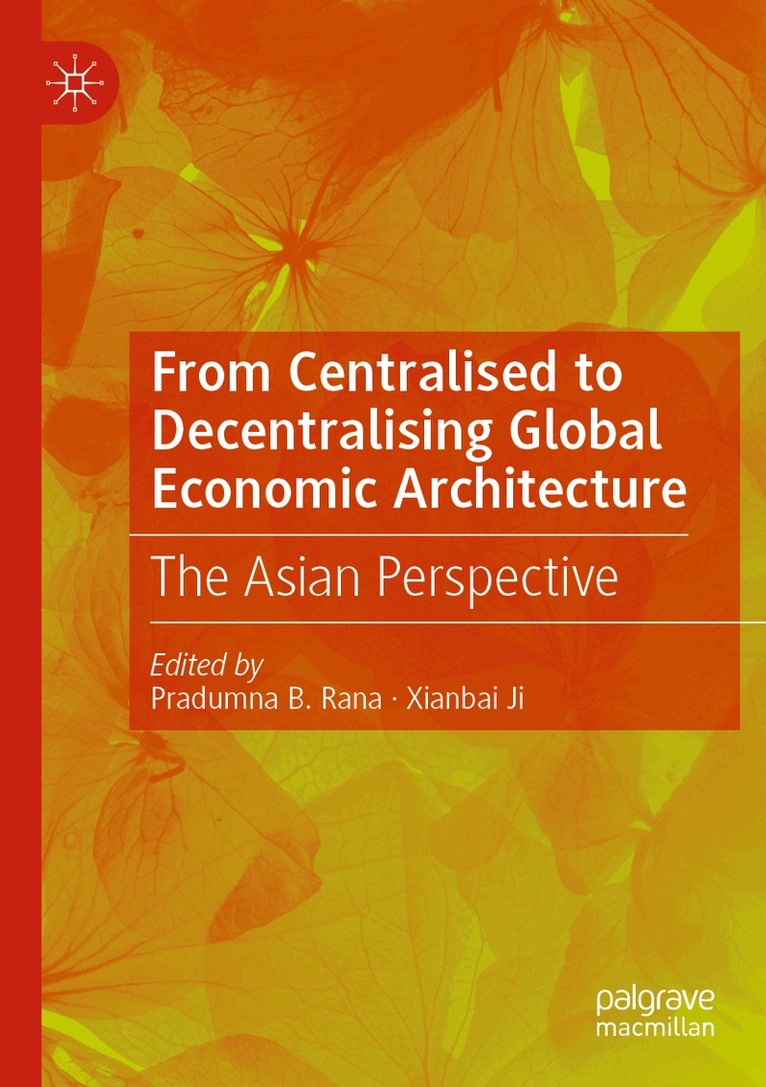
From Centralised to Decentralising Global Economic Architecture
The Asian Perspective
Av Pradumna B. Rana, Xianbai Ji
Inbunden, 2022
1205 kr
Lägg i varukorg
This book focuses on the recent rise of new regional economic institutions such as the Chiang Mai Initiative Multilateralisation, the Asian Infrastructure Investment Bank, and the Regional Comprehensive Economic Partnership, which were established, in part, as a result of dissatisfaction of dynamic …
From Centralised to Decentralising Global Economic Architecture
The Asian Perspective
Av Xianbai Ji, Pradumna B. Rana
E-bok, 2022
1587 kr
Lägg i varukorg
This book focuses on the recent rise of new regional economic institutions such as the Chiang Mai Initiative Multilateralisation, the Asian Infrastructure Investment Bank, and the Regional Comprehensive Economic Partnership, which were established, in part, as a result of dissatisfaction of dynamic …
From Centralised to Decentralising Global Economic Architecture
The Asian Perspective
Av Pradumna B. Rana, Xianbai Ji
Häftad, 2023
1205 kr
Lägg i varukorg
This book focuses on the recent rise of new regional economic institutions such as the Chiang Mai Initiative Multilateralisation, the Asian Infrastructure Investment Bank, and the Regional Comprehensive Economic Partnership, which were established, in part, as a result of dissatisfaction of dynamic …
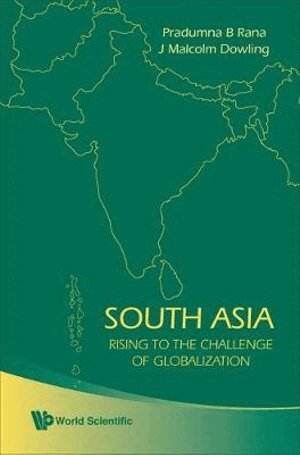
SOUTH ASIA: RISING TO THE CHALLENGE OF GLOBALIZATION
Av Pradumna B Rana, John Malcolm Dowling
Inbunden, 2009
1673 kr
Lägg i varukorg
This timely book reviews how South Asia is rising to the challenge of globalization. In particular, how are South Asian countries maximizing the benefits of globalization whilst minimizing its costs? What lessons have these countries learned from the East Asian financial crisis? What actions have …
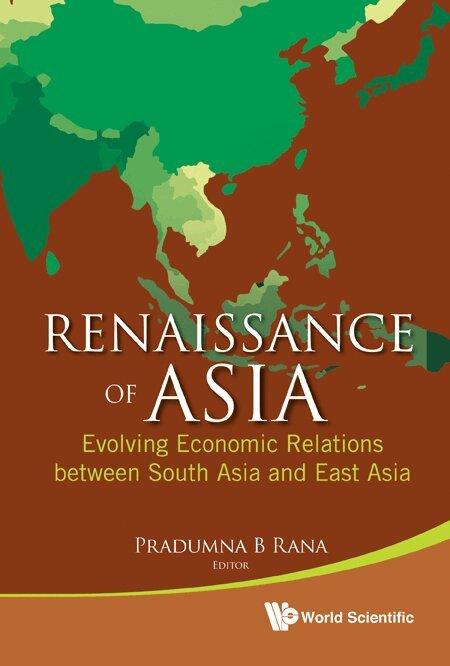
RENAISSANCE OF ASIA: EVOLVING ECONOMIC RELATIONS BETWEEN SOUTH ASIA AND EAST ASIA
Av Rana Pradumna B, Pradumna B Rana
Inbunden, 2012
1626 kr
Lägg i varukorg
A recent study by the Asian Development Bank notes that by 2050, Asia's per capita income would rise six-fold to reach Europe's levels today, one of many indications of Asia's “re-emergence”. By then, Asia's share of global GDP would have doubled and it would have regained the dominant economic …