Preeti Raghavan – författare
Visar alla böcker från författaren Preeti Raghavan. Handla med fri frakt och snabb leverans.
4 produkter
4 produkter
Häftad, Engelska, 2018
1 008 kr
Skickas inom 10-15 vardagar
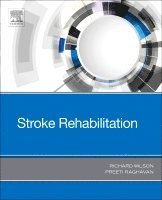
Practical and concise, Stroke Rehabilitation provides everyday clinical guidance on current methods, techniques, evidence, and controversies in this important area. This focused resource by Drs. Richard Wilson and Preeti Raghavan consolidates today's available information in an easy-to-navigate format for today's practicing and trainee physiatrists, as well as other members of the rehabilitation team.
Inbunden, Engelska, 2022
1 123 kr
Skickas inom 10-15 vardagar
This book aids the practitioner in understanding the difference between spasticity and muscle stiffness, weighing old and new treatment options, and developing an appropriate treatment algorithm for a given patient. Spasticity is a common and disabling condition after neurologic injury such as stroke, spinal cord injury, multiple sclerosis, traumatic brain injury and cerebral palsy. Current treatments for spasticity may exacerbate other problems. Hence, there is a great need to develop a comprehensive understanding of the pathophysiology of spasticity and muscle stiffness, its assessment, and the various treatment options available to obtain the best results to restore joint alignment, movement, and function. This book is organized into two sections: Part I of the book deals with the pathophysiology and assessment of spasticity and muscle stiffness, and Part II of the book explains the rationale, framework, considerations, and evidence for various treatments for both spasticity and muscle stiffness. This comprehensive approach will enable physiatrists, neurologists, internists, and physical and occupational therapists to achieve the best possible outcomes for their patients.
E-bok
Engelska, 2022944 kr
Läs direkt efter köp
This book aids the practitioner in understanding the difference between spasticity and muscle stiffness, weighing old and new treatment options, and developing an appropriate treatment algorithm for a given patient. Spasticity is a common and disabling condition after neurologic injury such as stroke, spinal cord injury, multiple sclerosis, traumatic brain injury and cerebral palsy. Current treatments for spasticity may exacerbate other problems. Hence, there is a great need to develop a comprehensive understanding of the pathophysiology of spasticity and muscle stiffness, its assessment, and the various treatment options available to obtain the best results to restore joint alignment, movement, and function. This book is organized into two sections: Part I of the book deals with the pathophysiology and assessment of spasticity and muscle stiffness, and Part II of the book explains the rationale, framework, considerations, and evidence for various treatments for both spasticity and muscle stiffness. This comprehensive approach will enable physiatrists, neurologists, internists, and physical and occupational therapists to achieve the best possible outcomes for their patients.
Häftad, Engelska, 2023
1 123 kr
Skickas inom 10-15 vardagar
This book aids the practitioner in understanding the difference between spasticity and muscle stiffness, weighing old and new treatment options, and developing an appropriate treatment algorithm for a given patient. Spasticity is a common and disabling condition after neurologic injury such as stroke, spinal cord injury, multiple sclerosis, traumatic brain injury and cerebral palsy. Current treatments for spasticity may exacerbate other problems. Hence, there is a great need to develop a comprehensive understanding of the pathophysiology of spasticity and muscle stiffness, its assessment, and the various treatment options available to obtain the best results to restore joint alignment, movement, and function. This book is organized into two sections: Part I of the book deals with the pathophysiology and assessment of spasticity and muscle stiffness, and Part II of the book explains the rationale, framework, considerations, and evidence for various treatments for both spasticity and muscle stiffness. This comprehensive approach will enable physiatrists, neurologists, internists, and physical and occupational therapists to achieve the best possible outcomes for their patients.