Priya Satia – författare
Visar alla böcker från författaren Priya Satia. Handla med fri frakt och snabb leverans.
9 produkter
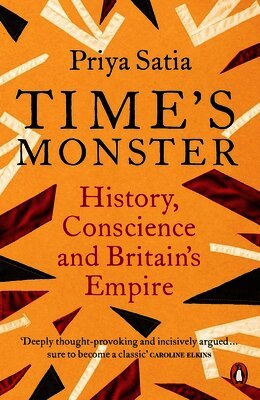
Time's Monster
History, Conscience and Britain's Empire
Av Priya Satia
Häftad, 2022
133 kr
Lägg i varukorg
CHOSEN AS A BOOK OF THE YEAR BY NEW STATESMAN AND BBC HISTORY MAGAZINE'In this searing book, Priya Satia demonstrates, yet again, that she is one of our most brilliant and original historians' Sunil Amrith, author of Unruly WatersFor generations, the history of the British empire was written by its …
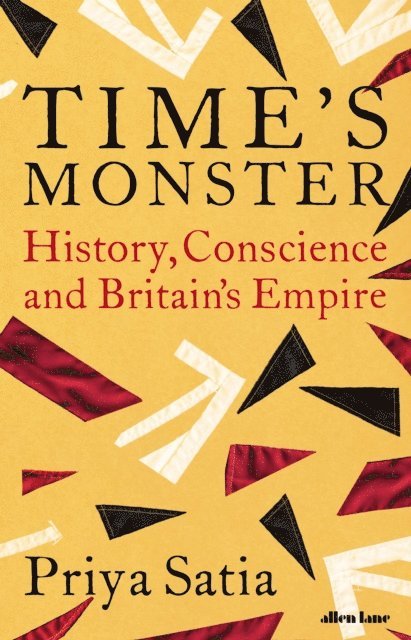
Time's Monster
History, Conscience and Britain's Empire
Av Priya Satia
E-bok, 2020
108 kr
Lägg i varukorg
CHOSEN AS A BOOK OF THE YEAR BY NEW STATESMAN AND BBC HISTORY MAGAZINE'In this searing book, Priya Satia demonstrates, yet again, that she is one of our most brilliant and original historians' Sunil Amrith, author of Unruly WatersFor generations, the history of the British empire was written by its …
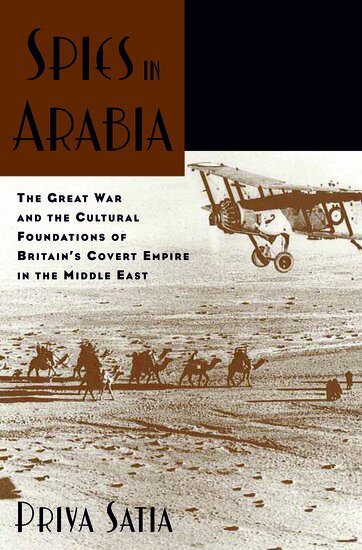
Spies in Arabia
The Great War and the Cultural Foundations of Britain's Covert Empire in the Middle East
Av Priya Satia
Inbunden, 2008
1903 kr
Lägg i varukorg
At the start of the twentieth century, British intelligence agents began to venture in increasing numbers to the Arab lands of the Ottoman Empire, drawn by the twin objectives of securing the route to India and finding adventure and spiritualism in an antique land. But these competing objectives …
Spies in Arabia
The Great War and the Cultural Foundations of Britain's Covert Empire in the Middle East
Av Priya Satia
E-bok, 2008
504 kr
Lägg i varukorg
At the dawn of the twentieth century, British intelligence agents began to venture in increasing numbers to the Arab lands of the Ottoman Empire, a region of crucial geopolitical importance spanning present-day Iraq, Jordan, Syria, and Saudi Arabia. They were drawn by the twin objectives of …
Spies in Arabia
The Great War and the Cultural Foundations of Britain's Covert Empire in the Middle East
Av Priya Satia
Häftad, 2010
737 kr
Lägg i varukorg
At the dawn of the twentieth century, British intelligence agents began to venture in increasing numbers to the Arab lands of the Ottoman Empire, a region of crucial geopolitical importance spanning present-day Iraq, Jordan, Syria, and Saudi Arabia. They were drawn by the twin objectives of …
Spies in Arabia
The Great War and the Cultural Foundations of Britain's Covert Empire in the Middle East
Av Priya Satia
E-bok, 2008
504 kr
Lägg i varukorg
At the dawn of the twentieth century, British intelligence agents began to venture in increasing numbers to the Arab lands of the Ottoman Empire, a region of crucial geopolitical importance spanning present-day Iraq, Jordan, Syria, and Saudi Arabia. They were drawn by the twin objectives of …
Time's Monster
History, Conscience and Britain''s Empire
Av Priya Satia
Ljudbok, 2020
204 kr
Lägg i varukorg
Brought to you by Penguin. For generations, the history of the British empire was written by its victors. British historians'' accounts of conquest guided the consolidation of imperial rule in India, the Middle East, Africa and the Caribbean. Their narratives of the development of imperial …
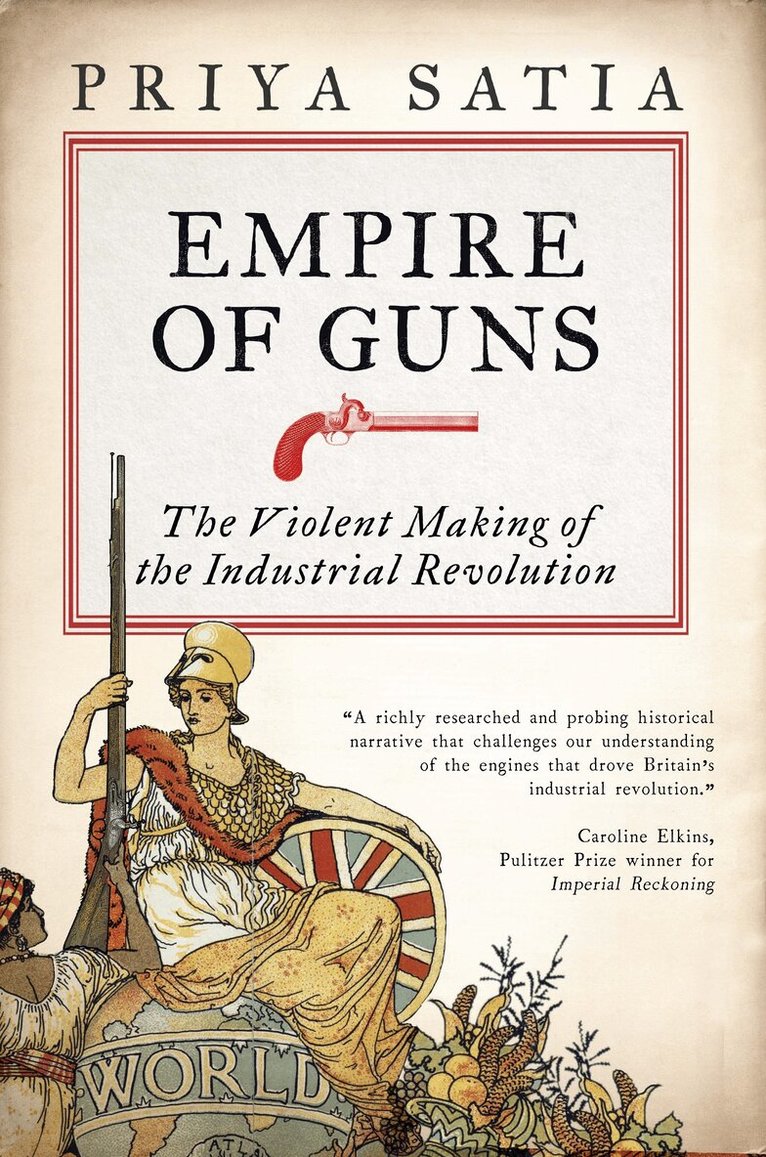
Empire of Guns
The Violent Making of the Industrial Revolution
Av Priya Satia
Häftad, 2019
201 kr
Lägg i varukorg
Winner of the Jerry Bentley Prize in World History (American Historical Association).Award-winning historian Priya Satia presents a new history of the Industrial Revolution that positions war and the gun trade squarely at the heart of the rapid growth of technology and Britain’s imperial expansion. …