Priyanka Singh Rao – författare
Visar alla böcker från författaren Priyanka Singh Rao. Handla med fri frakt och snabb leverans.
4 produkter
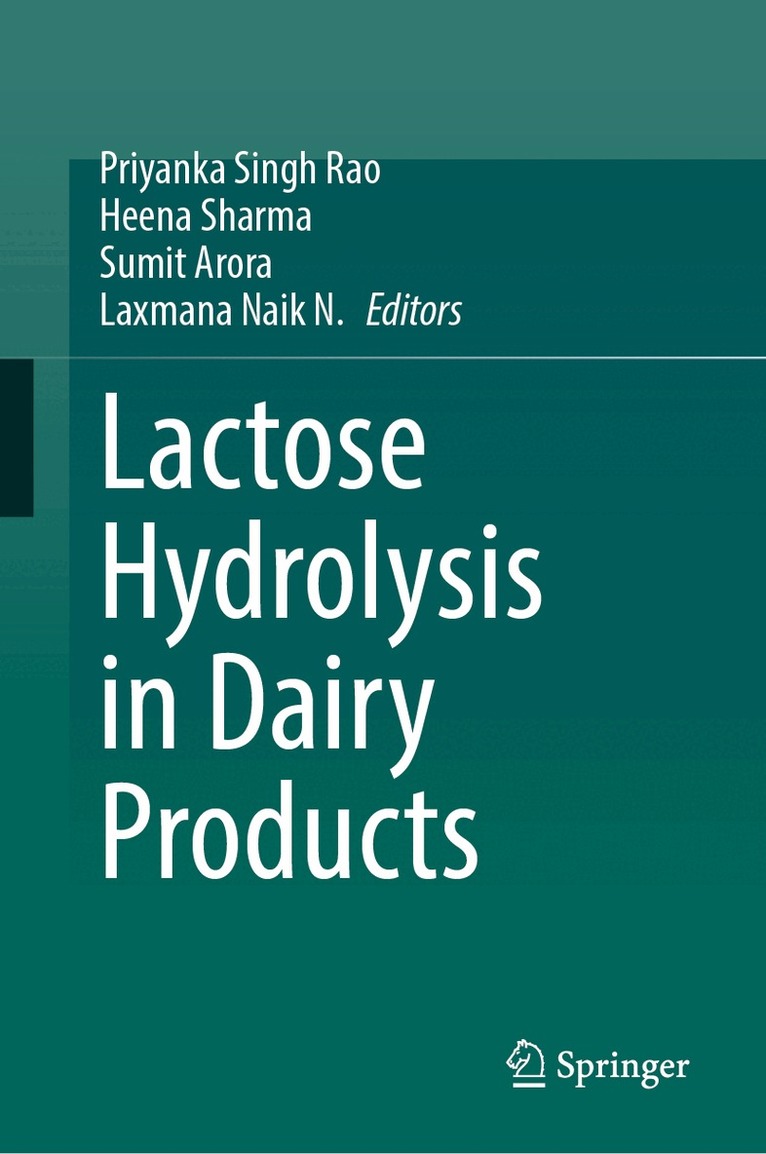
Lactose Hydrolysis in Dairy Products
Av Priyanka Singh Rao, Heena Sharma m. fl.
Inbunden, 2025
1858 kr
Lägg i varukorg
Lactose is the major disaccharide present in milk. Metabolism of lactose requires lactase which is present in the brush border of epithelial cells of the small intestine. Deficiency of this enzyme leads to malabsorption of lactose and fermentation of lactose occurs in gut which results in various …
Lactose Hydrolysis in Dairy Products
Av Laxmana Naik N., Sumit Arora m. fl.
E-bok, 2025
2384 kr
Lägg i varukorg
Lactose is the major disaccharide present in milk. Metabolism of lactose requires lactase which is present in the brush border of epithelial cells of the small intestine. Deficiency of this enzyme leads to malabsorption of lactose and fermentation of lactose occurs in gut which results in various …
Lactose Hydrolysis in Dairy Products
Av Priyanka Singh Rao, Heena Sharma m. fl.
Häftad, 2026
1858 kr
Lägg i varukorg
Lactose is the major disaccharide present in milk. Metabolism of lactose requires lactase which is present in the brush border of epithelial cells of the small intestine. Deficiency of this enzyme leads to malabsorption of lactose and fermentation of lactose occurs in gut which results in various …
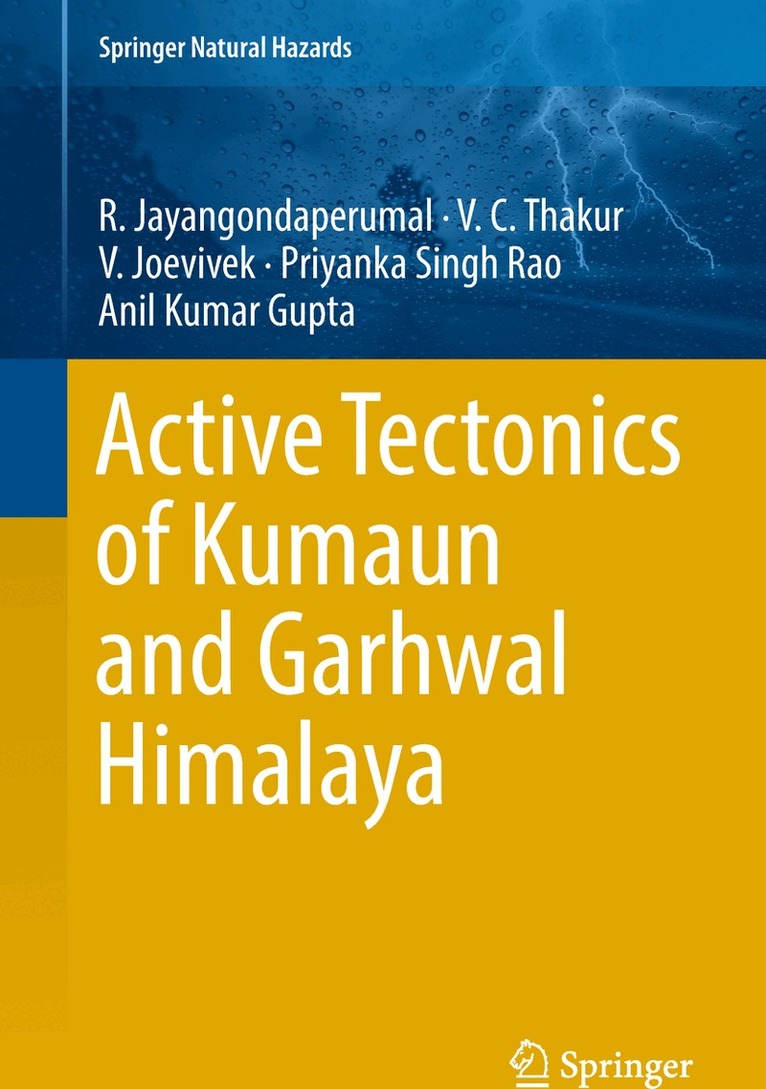
Active Tectonics of Kumaun and Garhwal Himalaya
Av R. Jayangondaperumal, V. C. Thakur m. fl.
Inbunden, 2018
1205 kr
Lägg i varukorg
The book contributes to understanding the pattern of strain release and the level of seismic hazard imposed by large-great earthquakes in the frontal fold-thrust belts of Kumaun and Garhwal regions of Uttarakhand. The motivation for active fault studies and their characterization have been …