Przemyslaw E. Gebal – författare
Visar alla böcker från författaren Przemyslaw E. Gebal. Handla med fri frakt och snabb leverans.
5 produkter
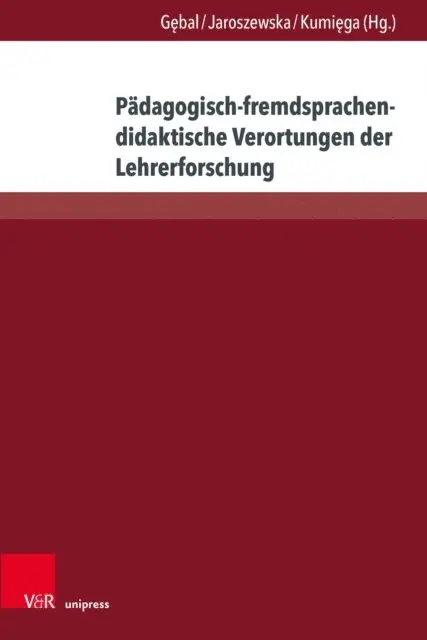
Pädagogisch-fremdsprachendidaktische Verortungen der Lehrerforschung
Konzepte, Herausforderungen, Perspektiven
Av Lukasz Kumiega, Anna Jaroszewska m. fl.
E-bok, 2021
512 kr
Lägg i varukorg
Den Auftakt zur Reihe »Interdisziplinäre Verortungen der Angewandten Linguistik« machen polnische Linguist*innen und Pädagog*innen mit einem konzeptionellen Diskurs im Kontext der Fremdsprachendidaktik (mit dem Schwerpunkt auf DaF-Aspekte) und der Pädagogik. Dabei versuchen sie mit theoretischen …
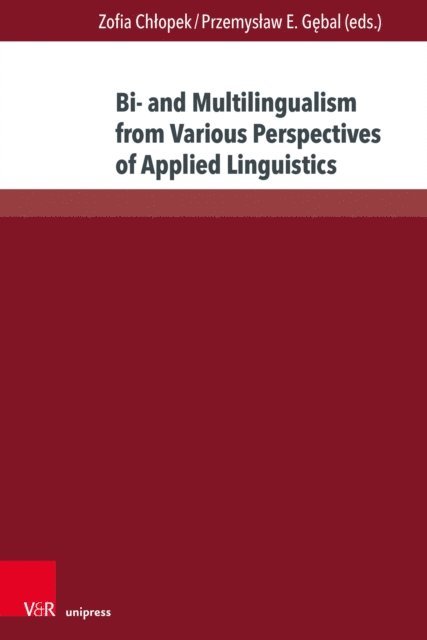
Bi- and Multilingualism from Various Perspectives of Applied Linguistics
Av Przemyslaw E. Gebal, Zofia Chlopek
E-bok, 2022
630 kr
Lägg i varukorg
This volume comprises 16 chapters – both research papers and theoretical contributions – grouped in three thematic sections. The chapters in the first part, entitled "Discourse Communities: Languages in Contact," adopt a social and/or historical perspective on bi-/multilingualism. The contributions …
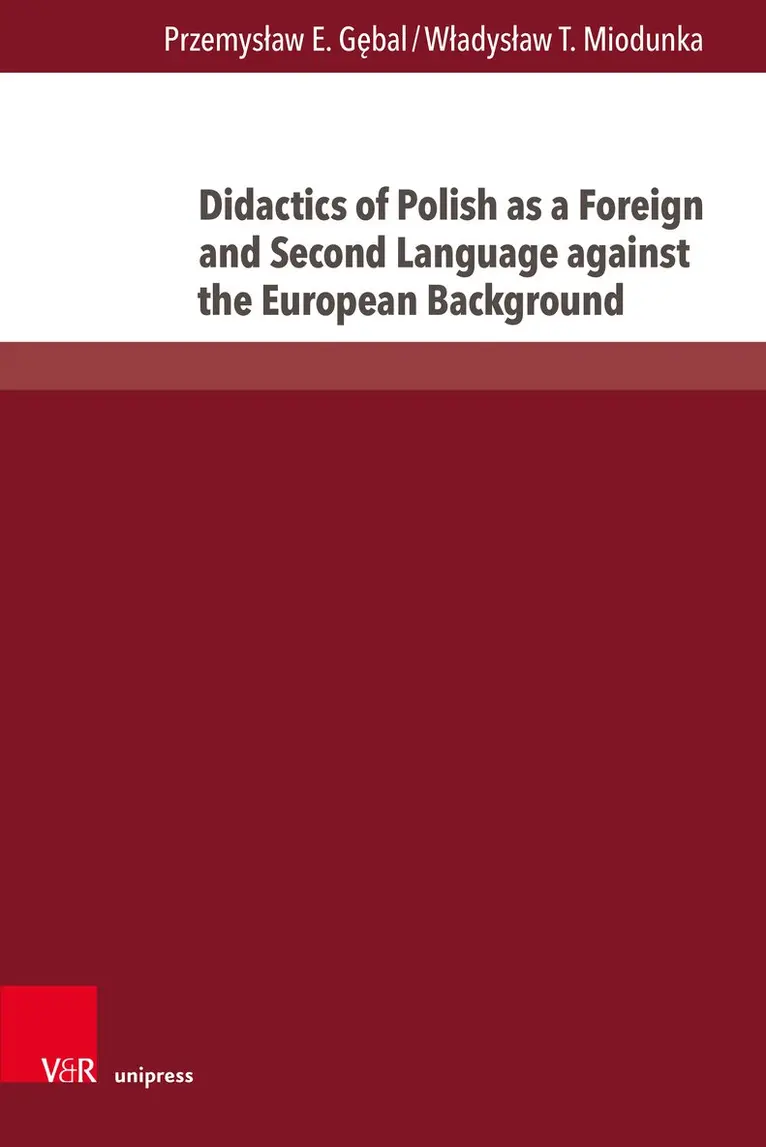
Didactics of Polish as a Foreign and Second Language against the European Background
Av Przemysław E. Gębal, Władysław T. Miodunka
Inbunden, 2023
747 kr
Lägg i varukorg
This volume starts with an overview of the history of teaching Polish as a foreign language from the beginning of the 16th century to 1939. The authors then present the rapid development of teaching Polish as a foreign language from 1992 to 2015. This is supplemented by information on the …
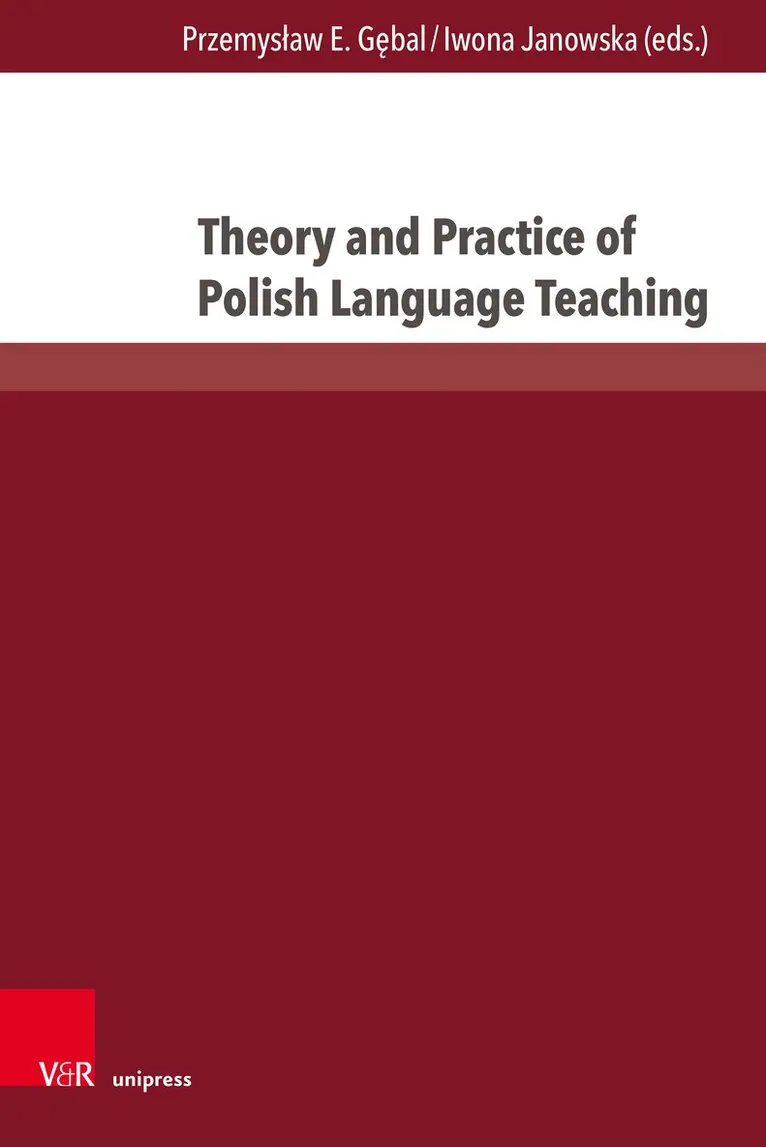
Theory and Practice of Polish Language Teaching
New Methodological Concepts
Av Przemysław E. Gębal, Iwona Janowska
Inbunden, 2024
904 kr
Lägg i varukorg
The aim of the volume is to focus on research interests that are rarely presented in the literature on the subject and that arise from the currently perceived needs of the developing didactics of Polish as a foreign language. The research results presented in the contributions provide a new look at …
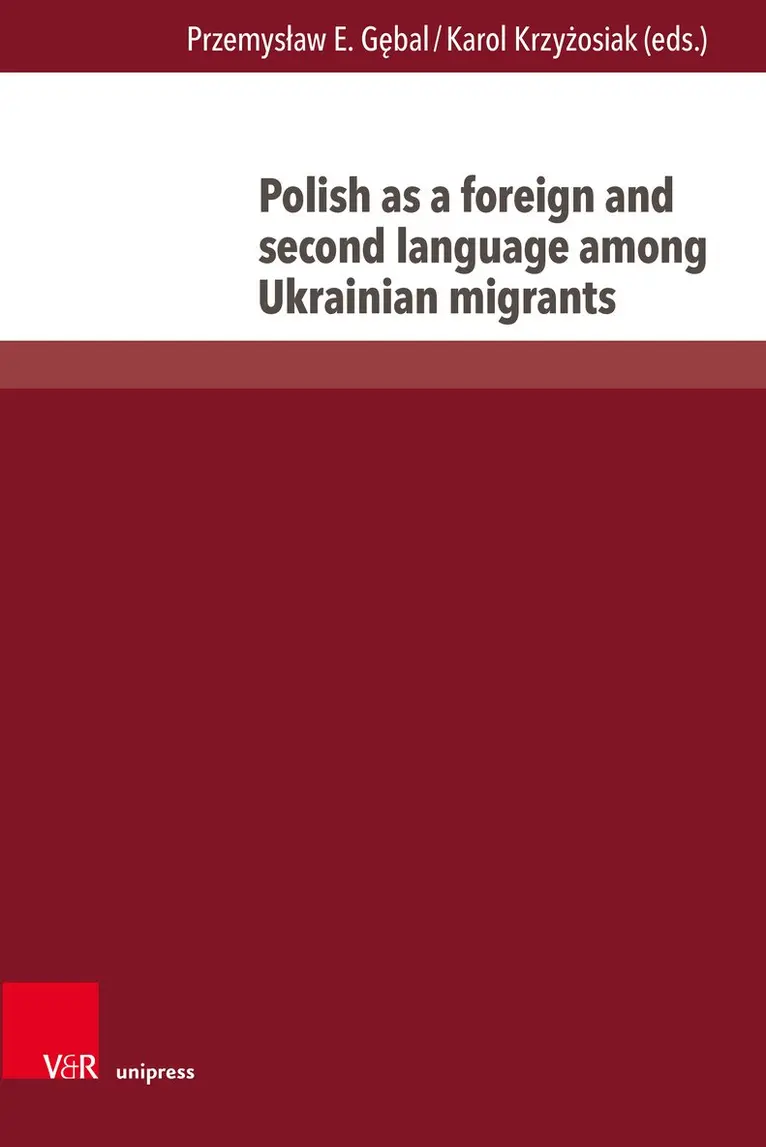
Polish as a foreign and second language among Ukrainian migrants
Av Przemysław E. Gębal, Karol Krzyżosiak
Inbunden, 2024
725 kr
Lägg i varukorg
This volume compiles the latest research on learning and teaching Polish as a foreign and second language among Ukrainian migrants and refugees. The authors address the growing necessity for developing both theoretical frameworks and practical solutions to facilitate efficient language acquisition …