Pum Khan Pau – författare
Visar alla böcker från författaren Pum Khan Pau. Handla med fri frakt och snabb leverans.
10 produkter
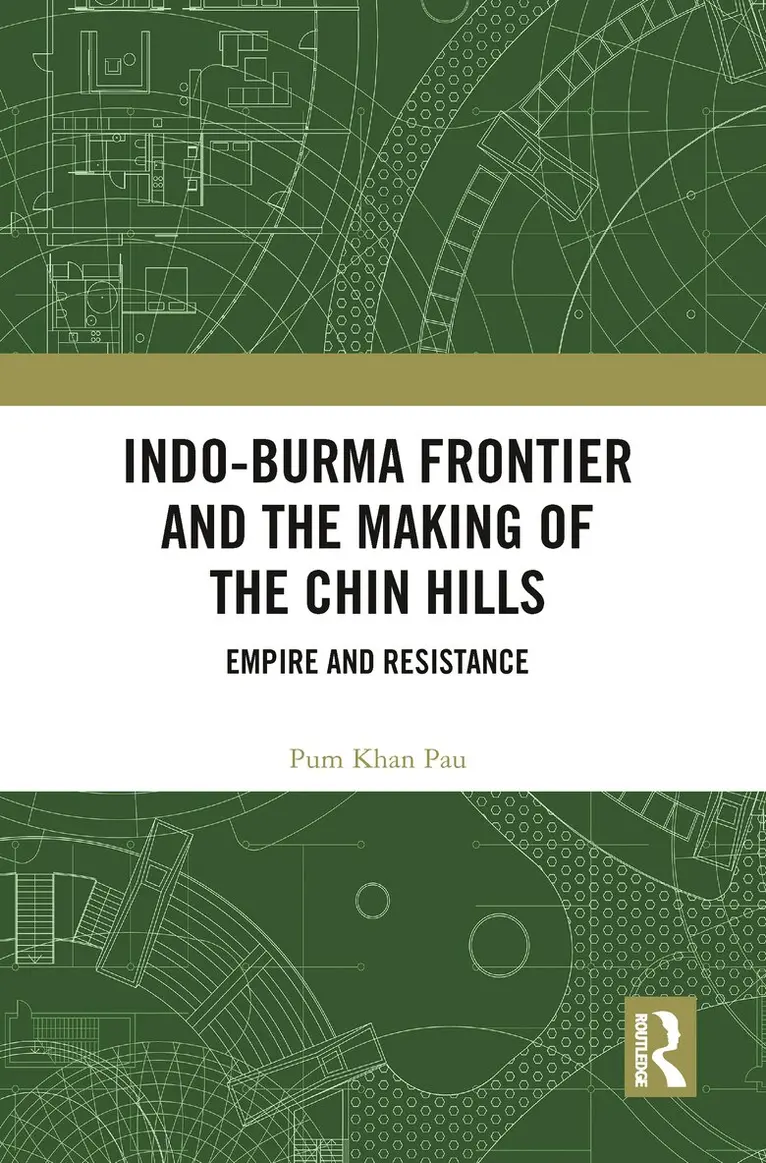
Indo-Burma Frontier and the Making of the Chin Hills
Empire and Resistance
Av Pum Khan Pau
Häftad, 2021
667 kr
Lägg i varukorg
This book examines the British colonial expansion in the so-called unadministered hill tracts of the Indo-Burma frontier and the change of colonial policy from non-intervention to intervention. The book begins with the end of the First Anglo-Burmese War (1824–26), which resulted in the British …
Indo-Burma Frontier and the Making of the Chin Hills
Empire and Resistance
Av Pum Khan Pau
E-bok, 2019
785 kr
Lägg i varukorg
This book examines the British colonial expansion in the so-called unadministered hill tracts of the Indo-Burma frontier and the change of colonial policy from non-intervention to intervention. The book begins with the end of the First Anglo-Burmese War (1824–26), which resulted in the British …
Indo-Burma Frontier and the Making of the Chin Hills
Empire and Resistance
Av Pum Khan Pau
E-bok, 2019
785 kr
Lägg i varukorg
This book examines the British colonial expansion in the so-called unadministered hill tracts of the Indo-Burma frontier and the change of colonial policy from non-intervention to intervention. The book begins with the end of the First Anglo-Burmese War (1824–26), which resulted in the British …
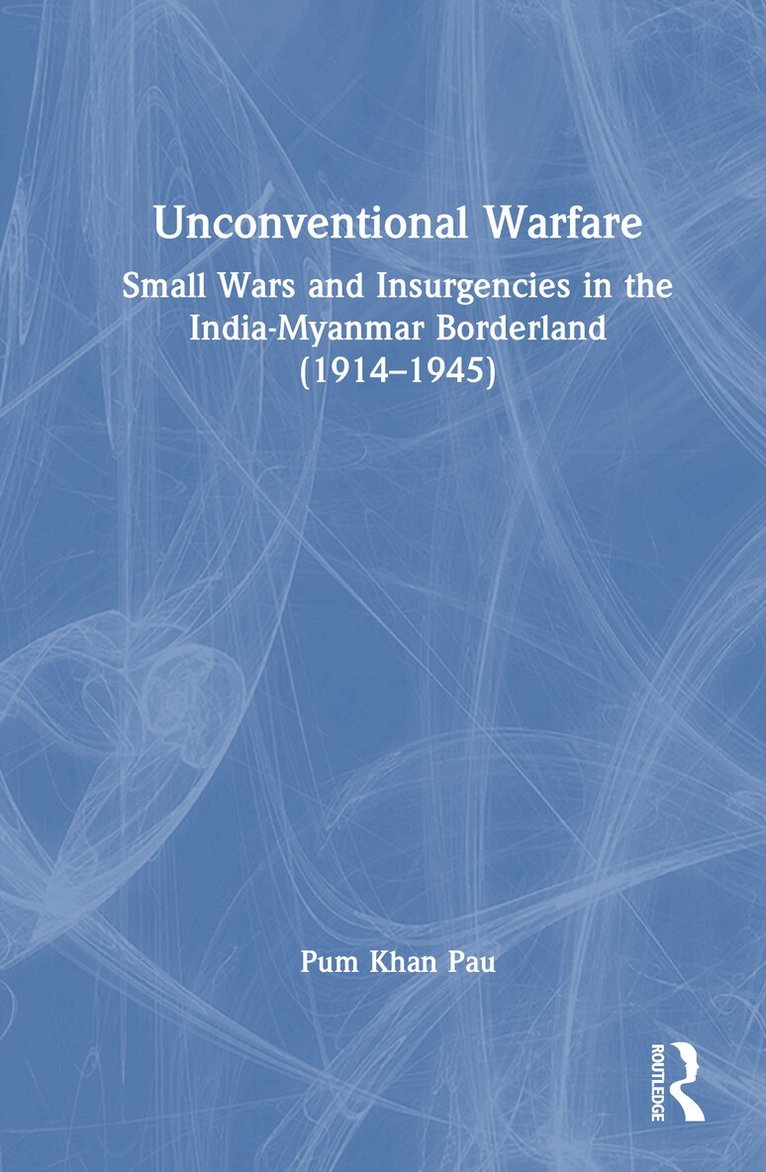
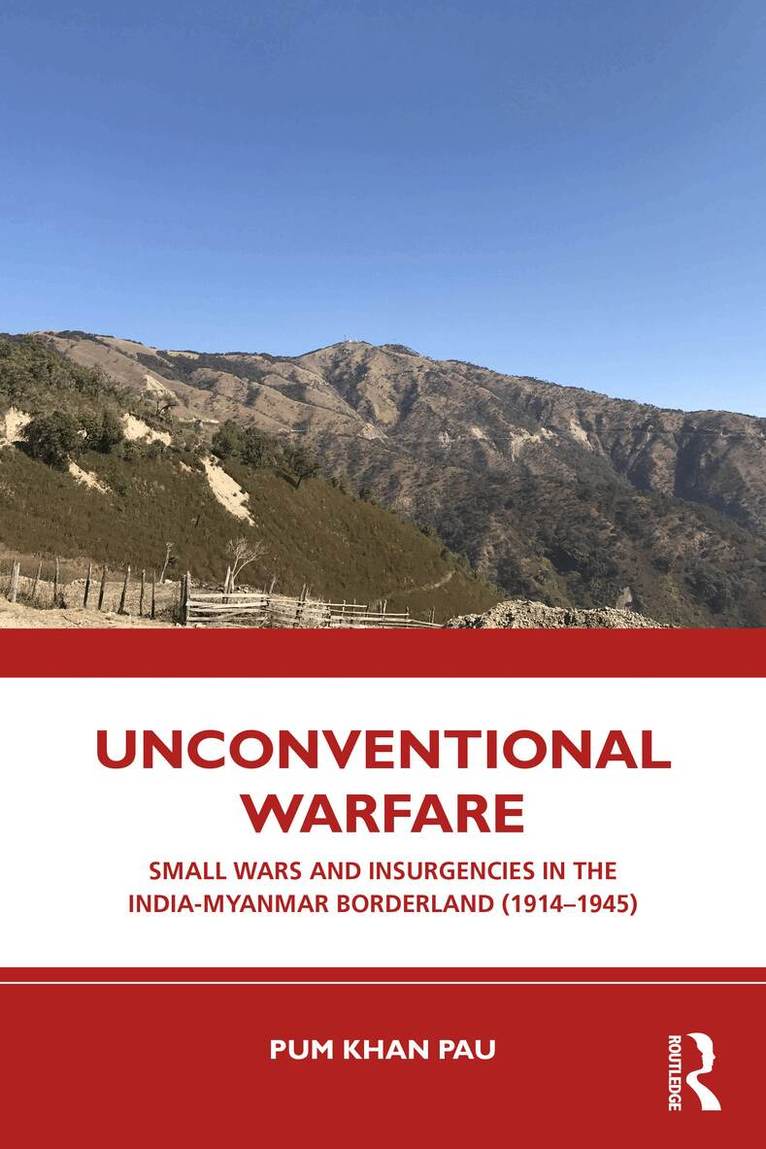
Unconventional Warfare
Small Wars and Insurgencies in the India-Myanmar Borderland (1914–1945)
Av Pum Khan Pau
Inbunden, 2025
2585 kr
Lägg i varukorg
The book probes the lesser-known history of the Great Wars in the India-Myanmar borderland from the perspective of the indigenous people of the area. It critically studies how the indigenous hill people saw the Wars as an opportunity to defend their land and free themselves from the bondage of …
Unconventional Warfare
Small Wars and Insurgencies in the India-Myanmar Borderland (1914–1945)
Av Pum Khan Pau
Häftad, 2025
667 kr
Lägg i varukorg
The book probes the lesser-known history of the Great Wars in the India-Myanmar borderland from the perspective of the indigenous people of the area. It critically studies how the indigenous hill people saw the Wars as an opportunity to defend their land and free themselves from the bondage of …
Unconventional Warfare
Small Wars and Insurgencies in the India-Myanmar Borderland (1914–1945)
Av Pum Khan Pau
E-bok, 2025
768 kr
Lägg i varukorg
The book probes the lesser-known history of the Great Wars in the India-Myanmar borderland from the perspective of the indigenous people of the area. It critically studies how the indigenous hill people saw the Wars as an opportunity to defend their land and free themselves from the bondage of …
Unconventional Warfare
Small Wars and Insurgencies in the India-Myanmar Borderland (1914–1945)
Av Pum Khan Pau
E-bok, 2025
768 kr
Lägg i varukorg
The book probes the lesser-known history of the Great Wars in the India-Myanmar borderland from the perspective of the indigenous people of the area. It critically studies how the indigenous hill people saw the Wars as an opportunity to defend their land and free themselves from the bondage of …
Indo-Burma Frontier and the Making of the Chin Hills
Empire and Resistance
Av Pum Khan Pau
Inbunden, 2019
2585 kr
Lägg i varukorg
This book examines the British colonial expansion in the so-called unadministered hill tracts of the Indo-Burma frontier and the change of colonial policy from non-intervention to intervention. The book begins with the end of the First Anglo-Burmese War (1824–26), which resulted in the British …
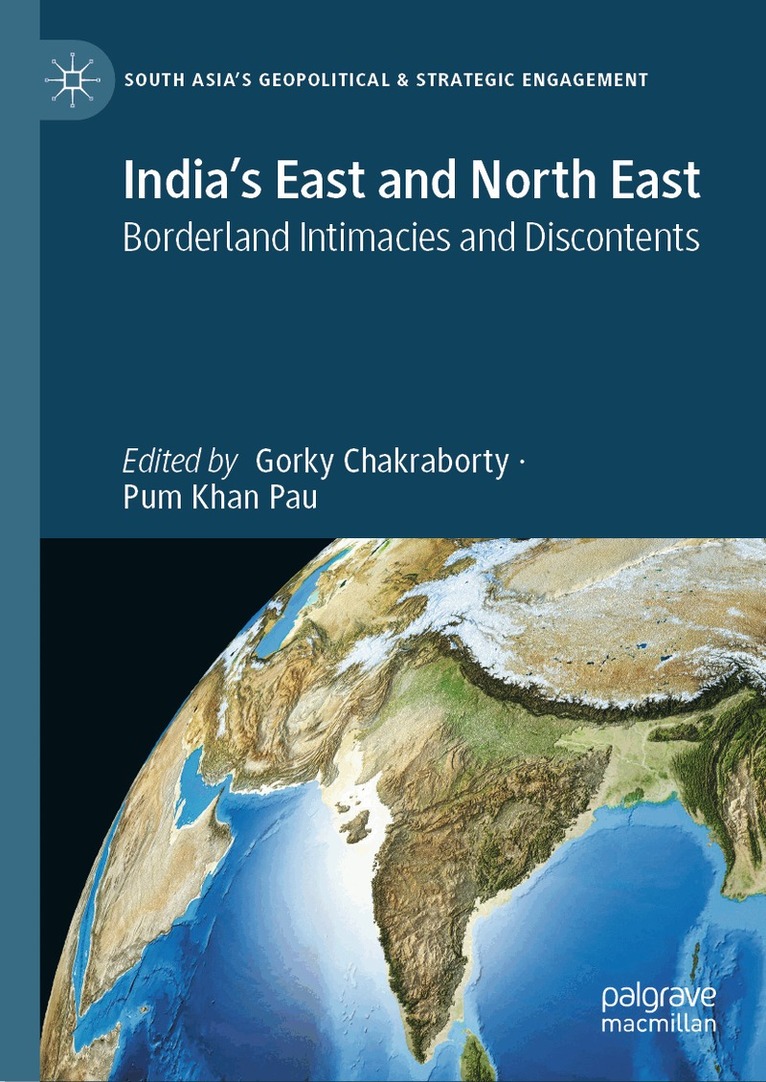
India’s East and North East
Borderland Intimacies and Discontents
Av Gorky Chakraborty, Pum Khan Pau
Inbunden, 2026
1419 kr
Lägg i varukorg
This book critically examines the complex processes of border-making in South Asia, with a focus on India’s Eastern and Northeastern borderlands. Rooted in the historical legacies of colonialism and their post-colonial implications, it explores how borders in this region embody rupture and …
India's East and North East
Borderland Intimacies and Discontents
Av Pum Khan Pau, Gorky Chakraborty
E-bok, 2026
1746 kr
Lägg i varukorg
This book critically examines the complex processes of border-making in South Asia, with a focus on India’s Eastern and Northeastern borderlands. Rooted in the historical legacies of colonialism and their post-colonial implications, it explores how borders in this region embody rupture and …