Pushpendra – författare
Visar alla böcker från författaren Pushpendra. Handla med fri frakt och snabb leverans.
9 produkter
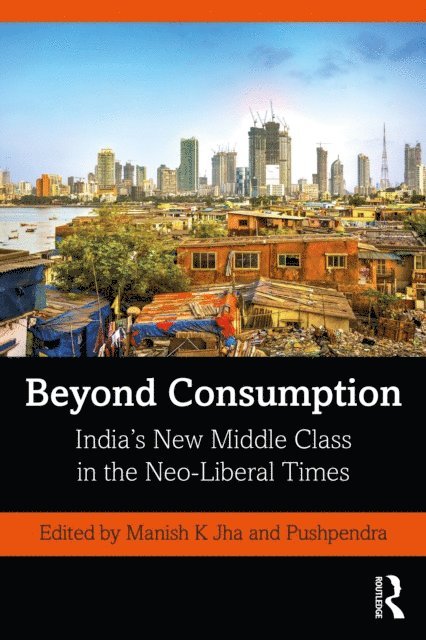
Beyond Consumption
India’s New Middle Class in the Neo-Liberal Times
Inbunden, 2021
2504 kr
Lägg i varukorg
This book analyses India’s middle class by recognising the diversity within the class, the people, their practices, and the production of spaces. It explores the economic and social lives of the new middle class, expanding the areas of inquiry beyond consumption in post-liberalisation India and its …
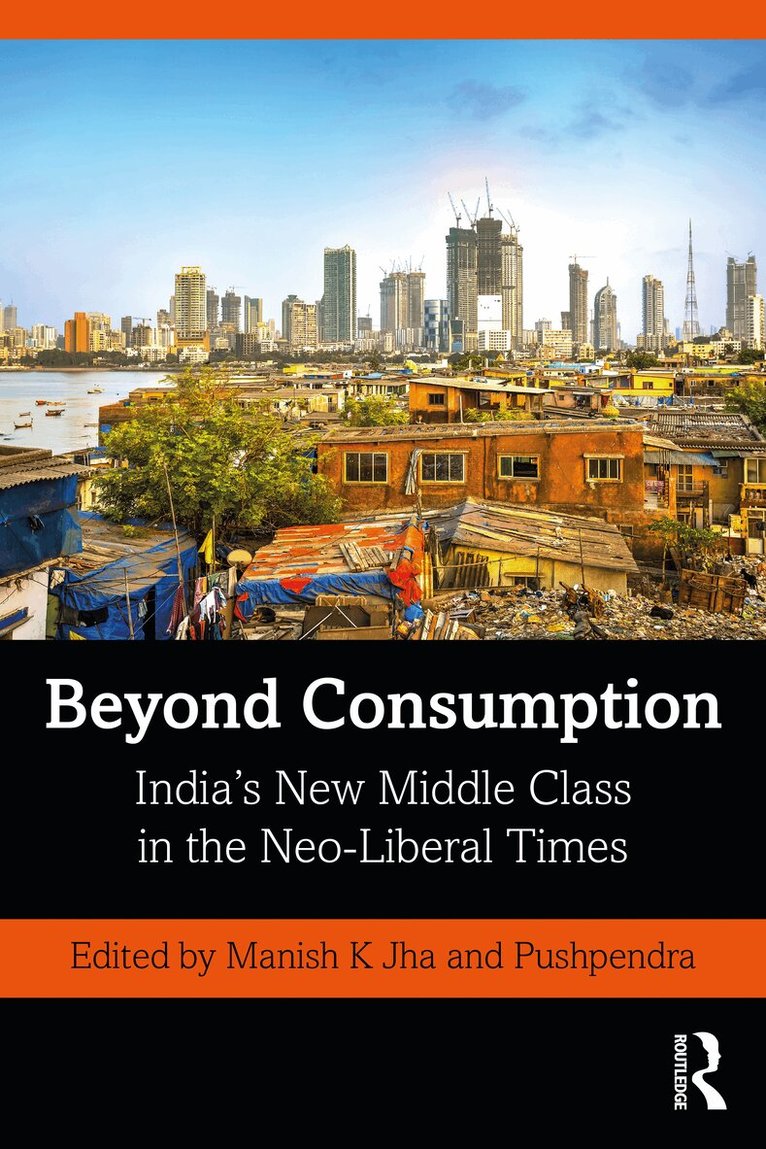
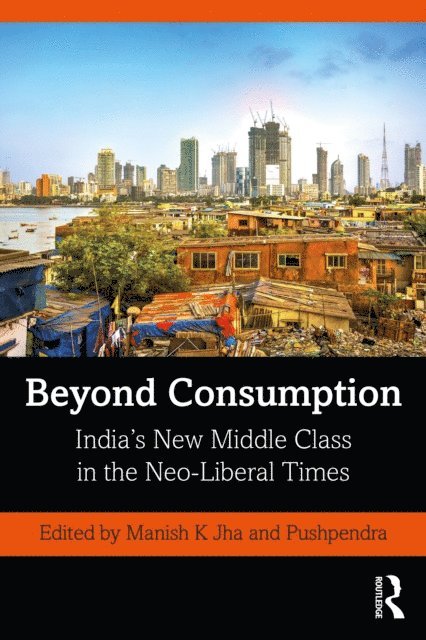
Beyond Consumption
India’s New Middle Class in the Neo-Liberal Times
Häftad, 2021
631 kr
Lägg i varukorg
This book analyses India’s middle class by recognising the diversity within the class, the people, their practices, and the production of spaces. It explores the economic and social lives of the new middle class, expanding the areas of inquiry beyond consumption in post-liberalisation India and its …
Migration, Workers, and Fundamental Freedoms
Pandemic Vulnerabilities and States of Exception in India
Av Asha Hans, Kalpana Kannabiran m. fl.
Inbunden, 2021
994 kr
Lägg i varukorg
The COVID-19 pandemic resulted in a mass exodus of India’s migrant workers from the cities back to the villages. This book explores the social conditions and concerns around health, labour, migration, and gender that were thrown up as a result of this forced migration.The book examines the failings …
Migration, Workers, and Fundamental Freedoms
Pandemic Vulnerabilities and States of Exception in India
Av Asha Hans, Kalpana Kannabiran m. fl.
Häftad, 2023
370 kr
Lägg i varukorg
The COVID-19 pandemic resulted in a mass exodus of India’s migrant workers from the cities back to the villages. This book explores the social conditions and concerns around health, labour, migration, and gender that were thrown up as a result of this forced migration.The book examines the failings …
Beyond Consumption
India's New Middle Class in the Neo-Liberal Times
E-bok, 2021
745 kr
Lägg i varukorg
This book analyses India’s middle class by recognising the diversity within the class, the people, their practices, and the production of spaces. It explores the economic and social lives of the new middle class, expanding the areas of inquiry beyond consumption in post-liberalisation India and …
Beyond Consumption
India's New Middle Class in the Neo-Liberal Times
E-bok, 2021
745 kr
Lägg i varukorg
This book analyses India’s middle class by recognising the diversity within the class, the people, their practices, and the production of spaces. It explores the economic and social lives of the new middle class, expanding the areas of inquiry beyond consumption in post-liberalisation India and …
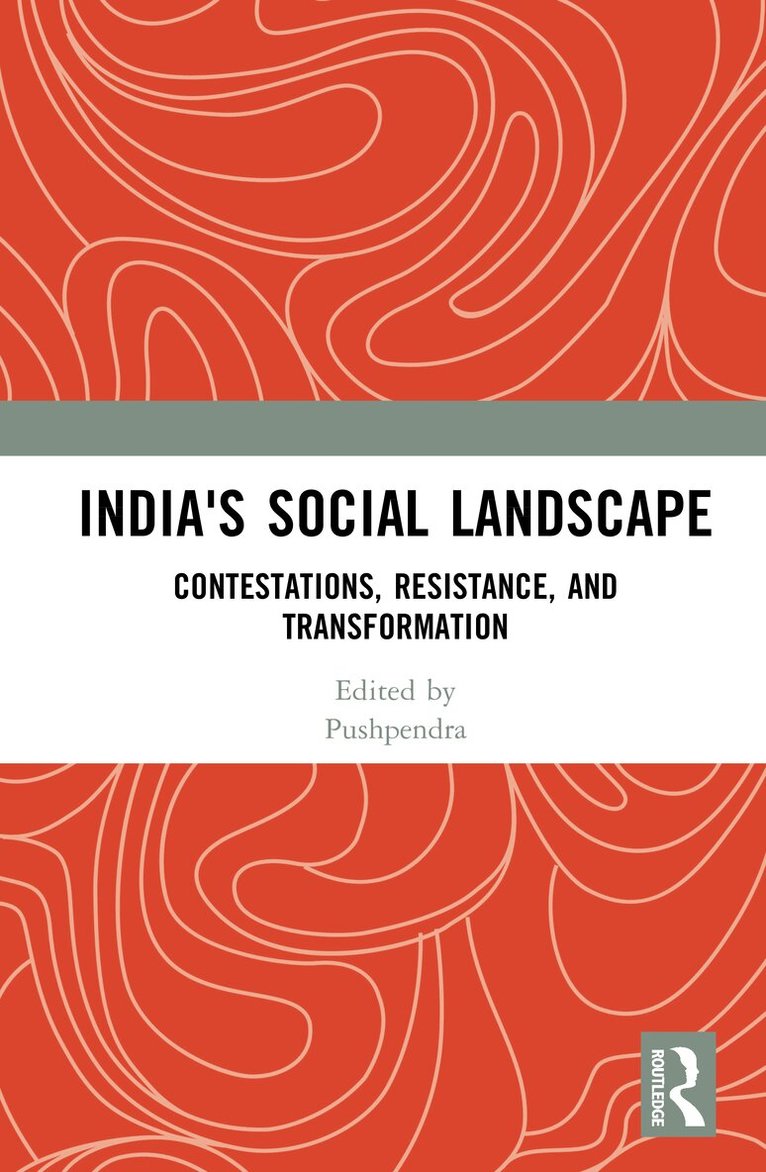
India's Social Landscape
Contestations, Resistance, and Transformation
Av Pushpendra
E-bok, 2026
956 kr
Lägg i varukorg
This book examines some of the social dimensions of Indian society and the challenges therein. It explores various themes, including the rules and norms governing people’s lives, the rhythm of village life, mythology and folk narratives, as well as social structures, institutions, and processes …
India's Social Landscape
Contestations, Resistance, and Transformation
Av Pushpendra
E-bok, 2026
935 kr
Lägg i varukorg
This book examines some of the social dimensions of Indian society and the challenges therein. It explores various themes, including the rules and norms governing people’s lives, the rhythm of village life, mythology and folk narratives, as well as social structures, institutions, and processes …
India's Social Landscape
Contestations, Resistance, and Transformation
Av Pushpendra
Inbunden, 2026
2504 kr
Lägg i varukorg
This book examines some of the social dimensions of Indian society and the challenges therein. It explores various themes, including the rules and norms governing people’s lives, the rhythm of village life, mythology and folk narratives, as well as social structures, institutions, and processes …