Q. Max Guo – författare
Visar alla böcker från författaren Q. Max Guo. Handla med fri frakt och snabb leverans.
3 produkter
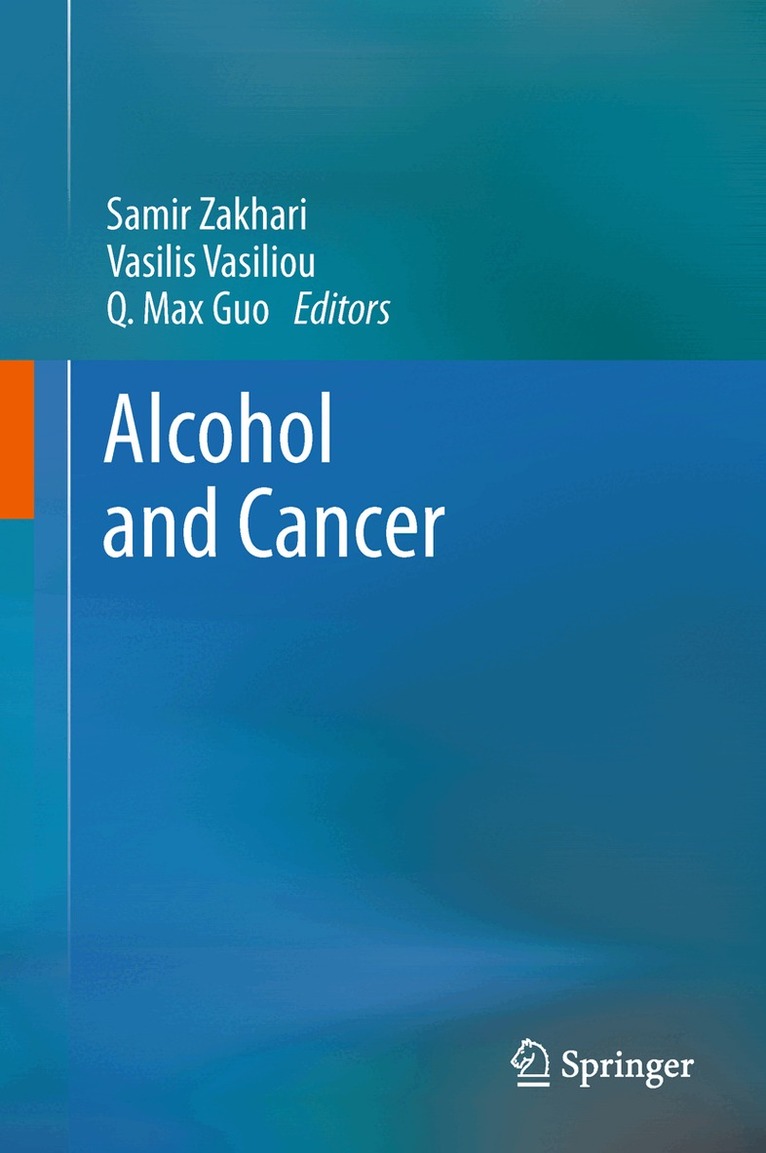
Alcohol and Cancer
Av Samir Zakhari, Vasilis Vasiliou m. fl.
Inbunden, 2011
1688 kr
Lägg i varukorg
The World Health Organization has identified chronic alcohol consumption as one of the top ten risk factors for worldwide burden of disease. The International Agency for Research on Cancer has identified alcohol as carcinogenic to humans, including cancers of the upper aerodigestive tract, colon, …
Alcohol and Cancer
Av Q. Max Guo, Vasilis Vasiliou m. fl.
E-bok, 2011
1634 kr
Lägg i varukorg
The World Health Organization has identified chronic alcohol consumption as one of the top ten risk factors for worldwide burden of disease. The International Agency for Research on Cancer has identified alcohol as carcinogenic to humans, including cancers of the upper aerodigestive tract, colon, …
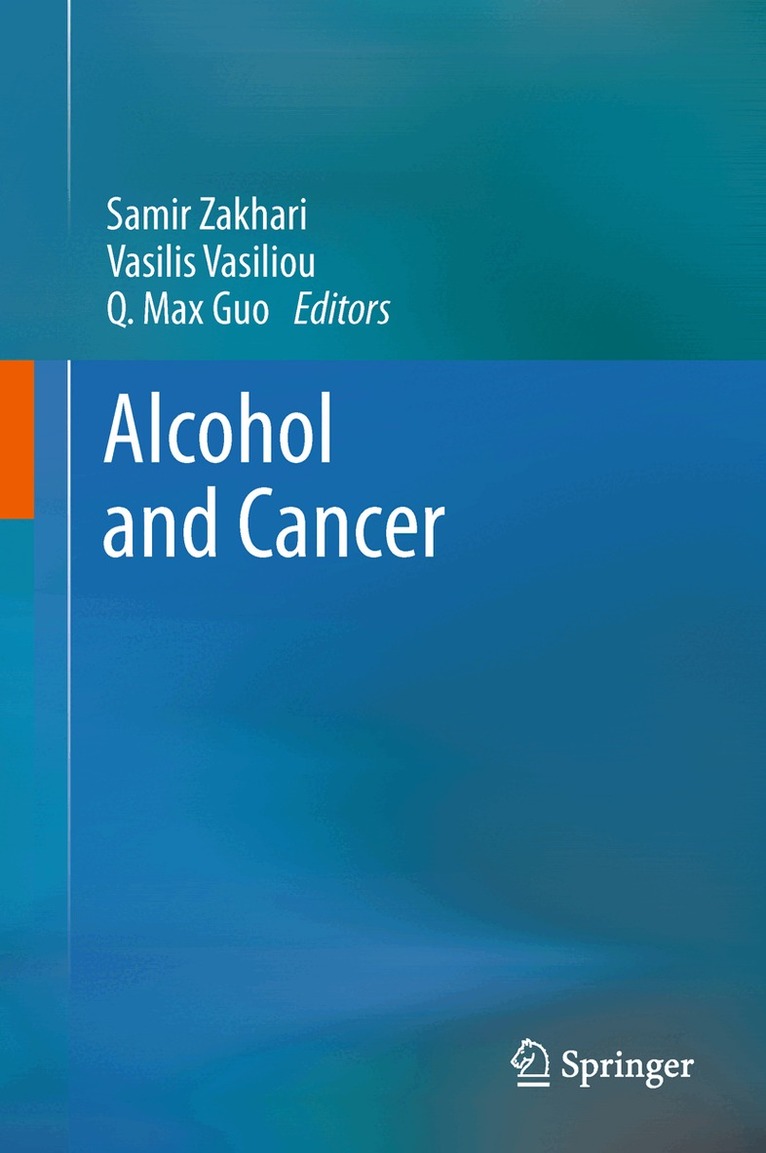
Alcohol and Cancer
Av Samir Zakhari, Vasilis Vasiliou m. fl.
Häftad, 2014
1240 kr
Lägg i varukorg
The World Health Organization has identified chronic alcohol consumption as one of the top ten risk factors for worldwide burden of disease. The International Agency for Research on Cancer has identified alcohol as carcinogenic to humans, including cancers of the upper aerodigestive tract, colon, …