R. Andrew Wilbey – författare
Visar alla böcker från författaren R. Andrew Wilbey. Handla med fri frakt och snabb leverans.
3 produkter
3 produkter
Inbunden, Engelska, 1998
3 036 kr
Skickas inom 10-15 vardagar
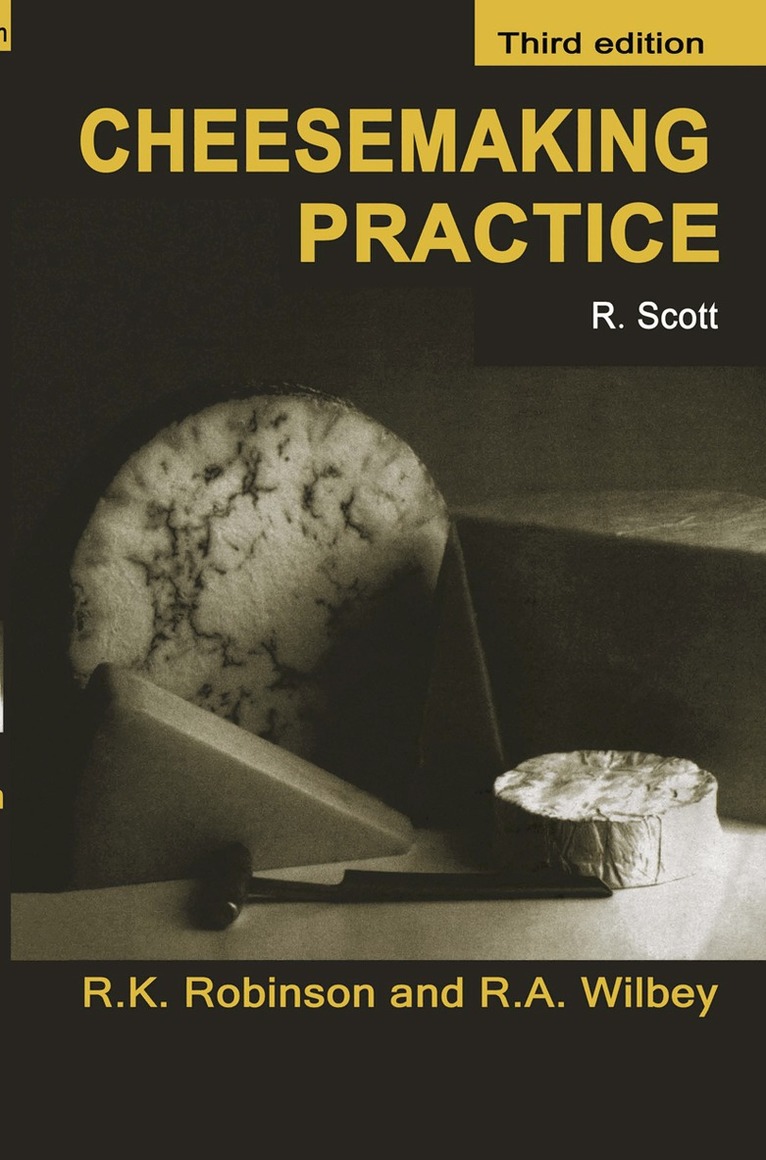
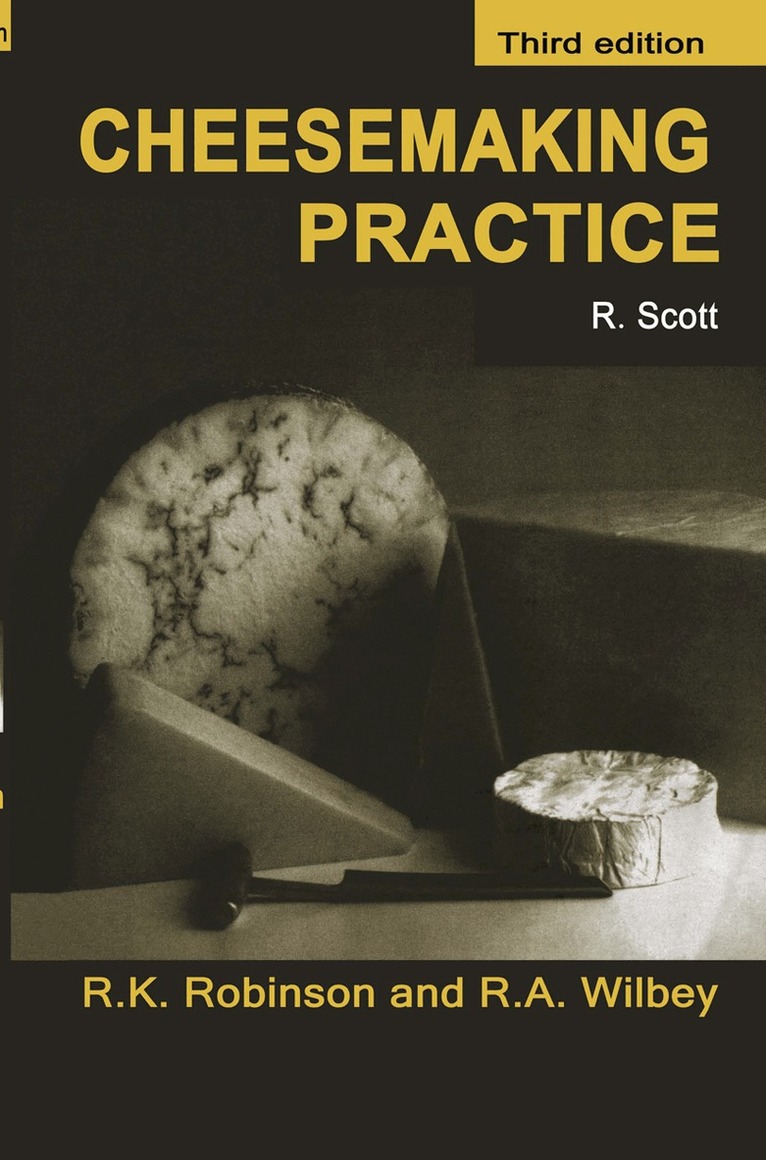
In the late 1990s, cheesemaking remains a blend of "art and science" for, while much cheese is made in computer-controlled factories relying on strict standardization to handle the large volumes of milk involved, the production of top qaulity cheese still relies upon the innate skill of the cheesemaker. This book therefore, in revised form, includes at one end of the spectrum , details of the technology for curd handling and, at the other, simple recipes for the production of farmhouse cheeses. A student of dairy science will need to consult other texts in order to complete their knowledge of the cheesemaking process, but it is hoped that the text will stimulate readers to delve more deeply.
Häftad, Engelska, 2012
3 036 kr
Skickas inom 10-15 vardagar
Today, cheesemaking remains a blend of'art and science' for, while much cheese is made in computer-controlled factories relying on strict standard ization to handle the large volumes of milk involved, the production oftop quality cheese still relies on the innate skill of the cheesemaker.
E-bok
PDF, Engelska, 20123 809 kr
Läs direkt efter köp
When the late Reg Scott wrote the first edition of this book in 1981, his intention was ''to produce a script generally interesting to those readers requiring more information on cheese''. It was not conceived as a book that covered the most recent developments with respect to lipid or protein chemistry, for example, but rather it was hoped that the text would reveal cheesemaking as a fascinating, and yet technically demanding, branch of dairy science. The fact that the author had some 50 years'' experience of cheesemaking gave the book a very special character, in that the ''art'' of the traditional cheesemaker emerged as a system that, in reality, had a strong scientific basis. Today, cheesemaking remains a blend of''art and science'' for, while much cheese is made in computer-controlled factories relying on strict standard ization to handle the large volumes of milk involved, the production oftop quality cheese still relies on the innate skill of the cheesemaker. It was considered appropriate, therefore, that this revised edition ofCheesemaking Practice should include, at one end of the spectrum, details of the latest technology for curd handling and, at the other, simple recipes for the production of farmhouse cheeses. Obviously a student of dairy science will need to consult other texts in order to complete his/her knowledge of the cheesemaking process, but if this revised edition stimulates its readers to delve more deeply, then the task of updating the original manuscript will have been worthwhile.